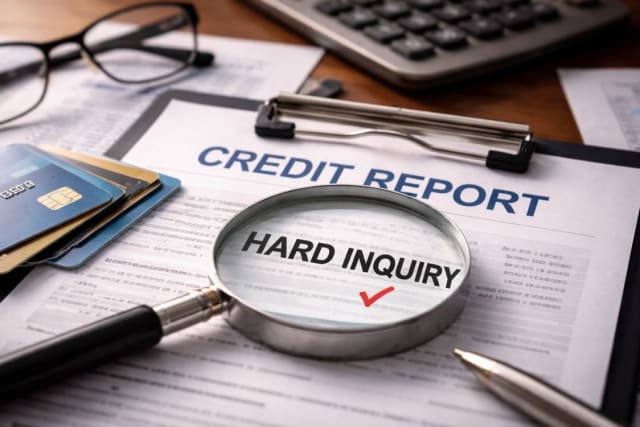
When financial challenges affect a credit report, many consumers begin searching for ways to improve their credit scores quickly. Late payments, negative information, past financial difficulties, or credit report errors can make it harder to qualify for loans, credit cards, or favorable interest rates. As a result, many people turn to credit repair services hoping to rebuild their credit history and regain financial stability.
The demand for better credit has also created opportunities for dishonest businesses to exploit consumers. Some credit repair companies use misleading promises to attract individuals who are trying to fix their credit, often delivering little real benefit while collecting fees. Understanding how these credit repair scams operate can help consumers avoid costly mistakes and protect their financial future.
What Are Credit Repair Scams?
Credit repair scams involve deceptive practices by companies or individuals who claim they can quickly improve a person’s credit. These businesses often promise dramatic increases in credit scores or claim they can remove all negative credit information from a credit report.
In reality, no legitimate company can legally remove accurate information from a consumer report. If a late payment, collection account, or bankruptcy record is correct, it must remain on a credit report for a set period under federal law.
Some scammers promote risky tactics such as creating a new credit identity, using a business tax ID number instead of a Social Security number, or hiding legitimate debt. Others advertise strategies like credit piggybacking or file segregation, which claim to separate negative accounts from a person’s credit history. These tactics are often misleading and may expose consumers to additional financial or legal risks.
Common Warning Signs of Credit Repair Scams
Many credit repair scams follow similar patterns. Recognizing these warning signs can help consumers avoid fraudulent services before signing a contract or sharing sensitive personal information.
Requests for Upfront Fees
One of the most common red flags involves companies that demand payment before providing services. Under the Credit Repair Organizations Act, legitimate credit repair businesses cannot charge up-front fees before completing their work. Companies that insist on immediate payment may be ignoring federal consumer protection rules.
Guarantees of Credit Score Improvements
Another warning sign is a company that guarantees specific results, such as promising a certain increase in credit scores. Credit reports are compiled by credit bureaus, and many factors influence a person’s credit profile. Because of this, no legitimate service can guarantee a particular outcome.
Encouraging Consumers to Misrepresent Information
Some scam artists encourage consumers to hide or change their identity in order to obtain credit. For example, they may suggest applying for credit using a new credit identity or a different tax identification number. These actions can lead to serious consequences and may violate federal regulations.
Learn More: What is Tax Identity Theft and How Does It Happen?
Lack of Transparency or Documentation
Fraudulent credit repair businesses may avoid providing written agreements or clear explanations of their services. In some cases, they communicate primarily through text messages or online advertisements and pressure consumers to sign up quickly. Legitimate companies should provide clear information about their services, pricing, and the consumer’s legal rights.
Understanding these warning signs can help consumers recognize potential scams early. However, it is equally important to understand what legitimate credit repair services are actually allowed to do.
What Legitimate Credit Repair Services Can and Cannot Do
Not all companies offering credit assistance are fraudulent. Some legitimate credit repair services help consumers review their credit reports and identify possible credit report errors or inaccurate entries affecting their credit profile. If errors appear, these companies may help prepare dispute letters or guide consumers through contacting the relevant credit reporting agencies.
Consumers also have the right to dispute errors directly with the credit reporting agency, which must investigate the claim and correct or remove information that cannot be verified. Some organizations also offer credit counseling or consumer credit counseling to help individuals understand factors such as credit utilization, payment history, and account balances that influence credit scores.
However, legitimate credit repair companies have clear limits. They cannot remove accurate negative information, erase valid debt, or guarantee rapid improvements to a credit score. Any business promising these results should be approached with caution.

Federal Laws That Protect Consumers
Several consumer protection laws regulate credit reporting and credit repair services in the United States. These laws help ensure that credit reporting remains accurate and that companies offering financial services operate transparently.
Fair Credit Reporting Act
The Fair Credit Reporting Act sets rules for how credit reporting agencies collect, maintain, and share consumer credit information. It also gives consumers the right to review their credit reports and dispute inaccurate information. If incorrect accounts, outdated bankruptcy information, or other errors appear, the credit reporting agency must investigate and correct any information that cannot be verified.
Credit Repair Organizations Act
The Credit Repair Organizations Act regulates businesses offering credit repair services. It prohibits companies from charging up-front fees and requires them to provide written disclosures explaining their services and the consumer’s rights. The law also prevents companies from making false promises about removing accurate negative information or guaranteeing credit score improvements.
Additional Consumer Protection Laws
Other laws also protect consumers from deceptive financial practices. The Fair Debt Collection Practices Act regulates how collectors communicate with consumers, while the Fair Credit Billing Act and the Electronic Fund Transfer Act address billing disputes and unauthorized financial transactions. Agencies such as the Federal Trade Commission and the Consumer Financial Protection Bureau monitor financial markets and issue consumer alerts about emerging scams.
How Credit Repair Scams Harm Consumers
Falling victim to credit repair scams can create serious financial consequences. Many consumers turn to credit repair services during difficult financial periods, and scam artists often take advantage of that urgency by promising quick improvements to a credit report or credit history that they cannot actually deliver.
In many cases, consumers pay ongoing fees for services that simply repeat actions they could take themselves, such as sending basic dispute letters to credit bureaus. Meanwhile, inaccurate information may remain unresolved. Some scams also involve collecting sensitive personal information, which can lead to identity theft or identity fraud if the information is misused.
Fraudulent credit repair schemes may also overlap with other financial scams. For example, deceptive businesses sometimes promote questionable debt settlement or debt consolidation programs that promise to eliminate large amounts of debt quickly while collecting fees from consumers.

Related Financial Scams Consumers Should Watch For
Credit repair scams often appear alongside other forms of financial fraud that target people trying to manage debt. One common example is debt relief scams, where companies claim they can eliminate or significantly reduce debt through programs that do not actually exist.
Consumers may also encounter offers related to Student Loan Debt Relief, auto loan modification, or so-called Mortgage Relief Scam programs that promise immediate financial assistance. In many cases, these offers are simply marketing tactics designed to collect fees without providing legitimate services.
Another common scheme involves government grant scams, where consumers are told they qualify for financial assistance but must first pay application or processing fees. Because these scams often use professional websites and a strong online presence, researching companies carefully and verifying claims through reliable sources is an important step in avoiding fraud.
How to Protect Yourself From Credit Repair Scams
Consumers can take several steps to protect themselves from fraudulent credit repair services and other deceptive financial schemes.
Review Your Credit Reports Carefully
The first step in protecting your credit is understanding what appears in your credit report. Reviewing your credit information allows you to identify potential negative credit information, incorrect account details, or suspicious activity that may require investigation.
Research Companies Before Signing Up
Before working with any credit repair service, consumers should research the company’s reputation and history. Checking complaints filed with organizations such as the Better Business Bureau or reviewing consumer alerts issued by government agencies can reveal patterns of fraudulent practices.
Consumers may also want to consult independent resources such as the National Consumer Law Center, which provides information about consumer rights and financial protection laws.
Be Careful With Personal Information
Legitimate companies should never pressure consumers to provide sensitive personal or financial information without proper documentation or a clear explanation of how the information will be used. Protecting personal information is an important step in preventing identity theft and maintaining strong online security.
Understand Your Rights Under Federal Law
Consumers have the legal right to challenge inaccurate information in their credit reports. If incorrect information appears in a consumer report, individuals can contact the relevant credit bureaus and begin the dispute process themselves. In many cases, correcting credit report errors does not require paying for third-party services.
When Legal Help May Be Necessary
In some cases, credit problems extend beyond scams and involve violations of federal consumer protection laws. If credit bureaus or credit reporting agencies fail to correct verified credit report errors, the issue may require additional action.
Consumers have rights under laws such as the Fair Credit Reporting Act, which requires credit reporting companies to maintain accurate records and investigate disputes properly. When these obligations are not met, individuals may have the right to pursue legal remedies.
Legal guidance may also be helpful in cases involving identity theft, persistent reporting errors, or ongoing damage to a consumer’s credit history caused by inaccurate information.
Final Thoughts
Credit repair scams often target people who are trying to improve their financial situation. While legitimate credit assistance services exist, some companies use misleading promises to collect fees without providing real results.
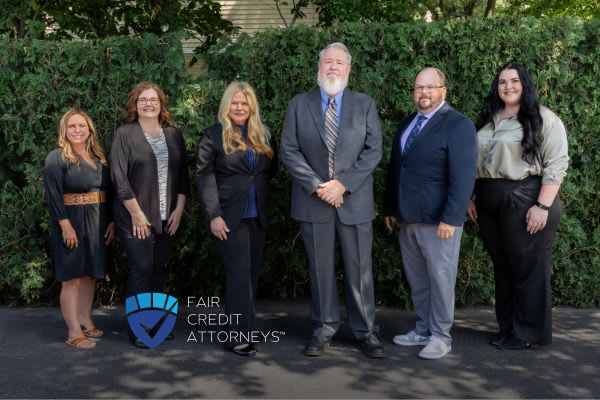
Understanding the warning signs of these scams can help protect your credit report, personal information, and financial future. If inaccurate reporting, identity theft, or unresolved disputes are affecting your credit, professional guidance may help. Fair Credit Attorneys assists consumers in protecting their rights under the Fair Credit Reporting Act and other consumer protection laws. Call (866) 381-6444 today for a free consultation.
Frequently Asked Questions
What is a credit repair scam?
A credit repair scam occurs when a company falsely promises to improve a person’s credit by removing accurate negative information or guaranteeing a large increase in credit scores. These businesses often charge fees while providing little or no legitimate service.
Are all credit repair companies scams?
No, not all credit repair companies are scams. Some legitimate services help consumers review their credit reports and dispute credit report errors. However, companies that promise guaranteed results or request up-front fees should be approached with caution.
Can a credit repair company remove negative items from my credit report?
A legitimate company cannot remove accurate negative credit information from a credit report. Under the Fair Credit Reporting Act, only inaccurate or unverifiable information can be corrected or removed after a dispute with the credit bureaus.