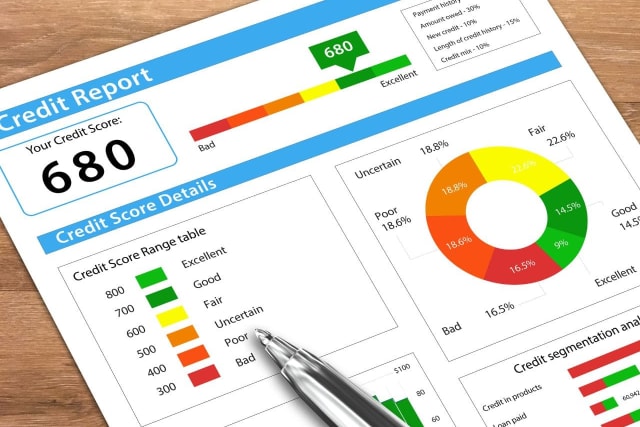
Stop bad credit scores! Learn how to fix your credit report errors now. Finding Credit Report Errors can feel like hitting a financial roadblock, but you have the power to fix them. Your credit profile is a cornerstone of your financial well-being, influencing everything from securing an auto loan to renting an apartment.
Errors on credit reports can drag down your credit utilization score and your overall standing, making life much harder. If you’re seeing inaccuracies, it’s vital to take the necessary steps to restore your credit record.
Want to know the most effective way to start fixing your credit report errors? Talk to our experienced attorneys for free to learn your rights and what steps you can take today to protect your financial future.
Don’t wait! Contact Fair Credit Attorneys now and see how they can fight your credit report errors for FREE!
What Credit Reports Are and How They Work
A credit report is essentially a detailed record of your financial history and payment behavior over time. It contains personal information, such as your name, addresses, and social security number, along with a comprehensive list of your credit product accounts, including credit cards, mortgages, and auto loans.
This financial data is collected and maintained by three major credit reporting companies: Equifax, Experian, and TransUnion (often collectively referred to as the major credit reporting companies or credit bureaus). Creditors and lenders, known as information furnishers, regularly send updates on your accounts, including your credit limit, account status, and any late payments or delinquent accounts.
Your credit history dictates how lenders view you. A clean report means better access to credit and lower interest rates.
The Financial Impact of Credit Report Errors
A single error on credit reports can be surprisingly damaging. Imagine being unfairly denied a competitive interest rate on a loan or even having your credit application status negatively affected. Common credit report errors can lead to:
- Higher Interest Rates: Lenders see a riskier borrower, which means they charge more.
- Application Denials: For loans, housing, and even some jobs.
- Increased Insurance Premiums: In some states, credit history impacts insurance rates.
Even a slight mistake, like an incorrect credit limit reported on a credit card, can artificially inflate your credit utilization score, which is a major factor in determining your overall credit profile. This is why knowing what is on a credit report and ensuring its accuracy is so important.
Your Rights Under Federal Credit Reporting Laws
You are not powerless against the credit reporting agencies. The Fair Credit Reporting Act (FCRA) is a federal law designed to promote the accuracy, fairness, and privacy of personal information in the files of consumer credit reporting agencies.
This law gives you the legal right to:
- Access your credit report from each of the major credit reporting companies for free once every 12 months.
- Request that incorrect or incomplete credit report errors be investigated and corrected.
- Sue for damages if an agency or furnisher violates the FCRA.
Understanding the FCRA is your first line of defense against credit reporting errors. You can find more resources and detailed instructions on the Federal Trade Commission (FTC) and the Consumer Financial Protection Bureau (CFPB) websites.

Identity and Personal Information Errors
One common type of credit report error involves personal data. These identity errors might seem minor, but they can be a sign of a larger problem or simply cause confusion when you try to open a new account.
Look out for:
- Misspellings of your name.
- Incorrect addresses (past or present).
- Errors in your Social Security number.
- A wrong date of birth.
Mixed Credit Files and Identity Confusion
A mixed file happens when an agency merges your credit history with someone else’s, often a person with a similar name, particularly if they are a relative or an authorized user on one of your accounts. Suddenly, accounts that don’t belong to you—like someone else’s auto loans, tax liens, or even bank account numbers—appear on your report.
A mixed credit report is a serious type of error people face and can require careful steps to correct the record over time.
Incorrect Account Status or Balances
This is where the real damage to your score often occurs. These mistakes directly affect how your creditworthiness is calculated.
Delinquent and Charged-Off Accounts
Check the status of every single account listed under the types of accounts. If you settled an old debt or a collection, make sure the status is reflected correctly. A major red flag is seeing delinquent accounts or charged-off accounts that you either paid off or never owed.
The date of last payment and the amount of outstanding debt must be precise. You need to know how to fix delinquency on credit report if the information is wrong.
Related: Did you know you can get a free credit report each year?
Closed Accounts and Incorrect Credit Limits
You may wonder, what does a closed account mean on your credit report? Typically, it means the account is no longer active and it should stay on your report for a certain period of time (usually up to seven years) if it was in good standing.
However, if your closed accounts are incorrectly reported as still open with a zero balance, or if a collection agency has been assigned without proper notification, that’s an error. Also, ensure your reported credit limit is accurate, as an error here can hurt your credit utilization score. If you sent a closure request but it wasn’t processed, you need to dispute it.
Fraud and Identity Theft Indicators
A significant issue demanding immediate attention is the presence of accounts you never opened. This is a tell-tale sign of identity theft. Thieves use your personal information to open new credit product accounts.
If you spot an unfamiliar account or a hard inquiry you didn’t authorize, you must act fast. Check to see if your report contains any references to sensitive data like medical insurance account numbers that shouldn’t be there. The steps for how to remove collection from credit report and fraudulently opened accounts are crucial for recovering your financial wellbeing.

How to Fix Credit Report Errors
The dispute process is your official way to correct credit reporting errors. While you can do this alone, having an experienced FCRA lawyer by your side will ensure the best possible outcome.
Gathering Necessary Documentation
You must provide clear evidence to support your claim. This is a vital step in the process. Examples of supporting documents include:
- Copies of canceled checks or bank statements showing timely payments to remove late payments from credit report.
- A police report, if you are a victim of identity theft.
- Account statements showing the correct credit limit or balance.
- Court documents if the error relates to an old judgment or tax liens.
Never send original documents; always provide copies.
Initiating the Dispute Process
- Highlight the Errors: Clearly mark all errors on credit reports you find. This could be anything from a minor incorrect dates on a payment to a major sign of identity theft.
- Draft a Dispute Letter: Write a formal dispute letter to the credit bureau that produced the report. This letter should clearly state the reason for the dispute, referencing the relevant account and the specific type of error people usually encounter. You need the best reason to dispute credit report to get results. Sample letter templates are available on the CFPB website. You should also send a notice of dispute to the information furnisher (the creditor) to give them a chance to investigate.
- Send by Certified Mail: Send your dispute letter and any supporting documents via certified mail with a return receipt requested. This provides proof of mailing and delivery, including a tracking number, which is essential for tracking the dispute process.
- Follow-up,: The credit reporting company has 30 to 45 days to investigate. If the investigation confirms the error, the item must be removed or corrected. This is the official way to learn how to dispute credit report.
Call an FCRA Attorney
If you’ve followed the dispute process, sent a solid dispute letter, and the credit reporting agencies or the information furnisher still refuse to correct the verified credit reporting errors, you have options. With Fair Credit Attorneys, you won’t pay a dime!
In situations where your rights under the Fair Credit Reporting Act have been violated, for instance, if the agency fails to conduct a proper investigation or if the furnisher continues to report inaccurate information after notification, you may need to escalate.
Consulting with an attorney who focuses on FCRA cases can be the best next step. They can help navigate complex issues like a deeply ingrained mixed file or severe financial damage caused by inaccuracies. Call Fair Credit Attorneys at 866-381-6444 today for a free consultation!