On This Page
Checking your credit report should never cost you money. Under federal law, you have the right to see what Equifax, Experian, and TransUnion are saying about you, and you can do it every single week for free.
That matters more than it sounds like. Credit reports are not always accurate. Accounts that are not yours, payments marked late when they were paid on time, or someone else’s information mixed into your file can quietly cost you a loan, an apartment, or a job. The only way to catch these problems is to look.
This guide walks you through exactly how to get your free credit reports, what to check once you have them, and what your rights are if something looks wrong. If you already know your report has an error, Fair Credit Attorneys can review it with you and explain your options. Call (866) 381-6444 to schedule a free consultation.
Here’s How It Works
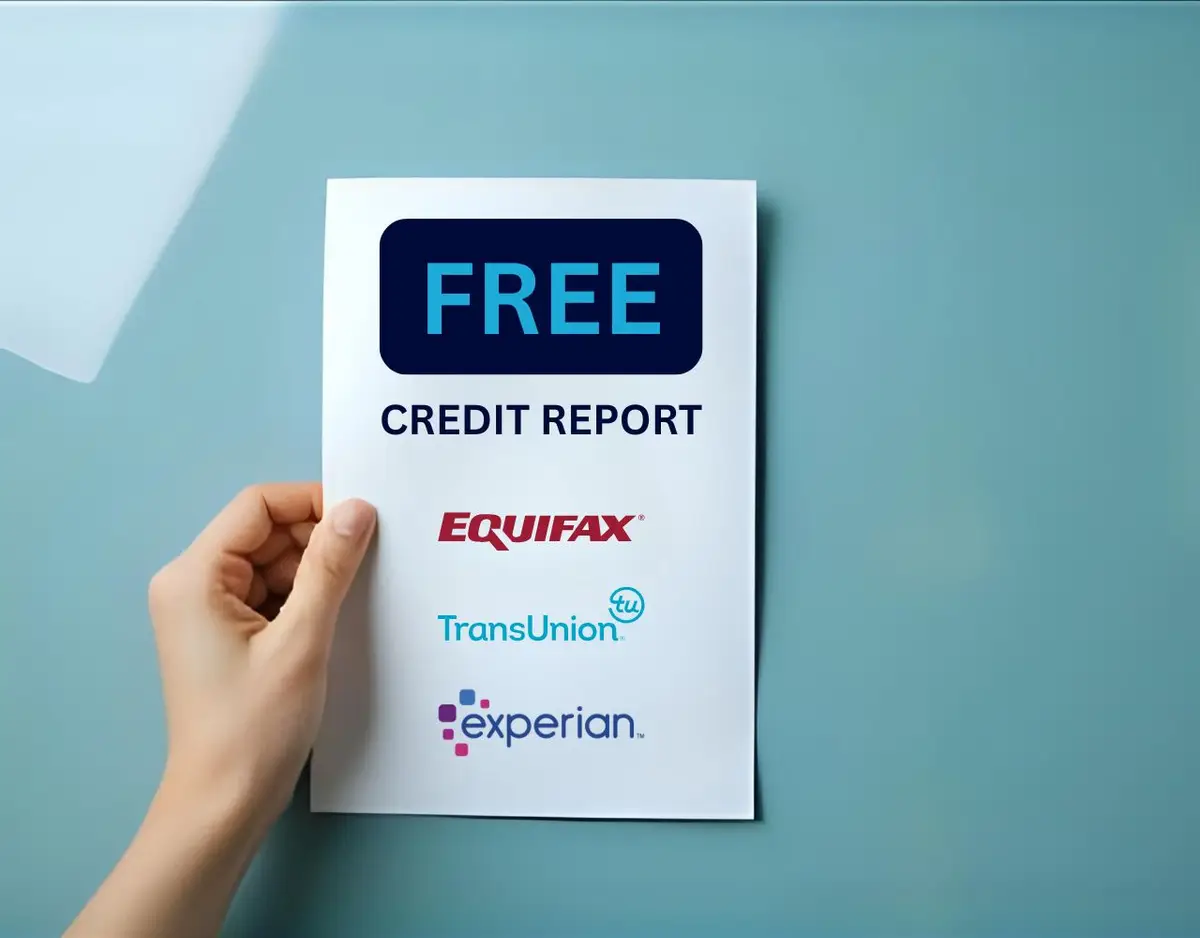
You can get a free credit report from each of the three nationwide credit bureaus, Equifax, Experian, and TransUnion, once a week at AnnualCreditReport.com. This is the only website authorized by federal law to provide these free reports. Weekly access became a permanent right in December 2023, after the Federal Trade Commission (FTC) and the credit bureaus made a pandemic-era benefit permanent. You do not need a credit card, and you should never be asked to pay.
The Three Credit Bureaus at a Glance
Each bureau keeps its own file on you, built from information reported by lenders, landlords, and collection agencies. The three files do not always match, which is one reason it pays to check all of them.
| Credit Bureau | What It Tracks | How to Request Your Free Report |
|---|---|---|
| Equifax | Payment history, credit accounts, and public records | AnnualCreditReport.com, phone, or mail |
| Experian | Credit accounts, inquiries, and personal information on file | AnnualCreditReport.com, phone, or mail |
| TransUnion | Credit accounts, collection agencies reporting debt, and identity data | AnnualCreditReport.com, phone, or mail |
How to Request Your Free Credit Reports
You have three official ways to request your reports. All three come from the same federally authorized source, so pick whichever is easiest for you.
- Online. Go to AnnualCreditReport.com and answer a few security questions to confirm your identity. You can view and download your reports immediately.
- By phone. Call 1-877-322-8228. Your reports arrive by mail within about 15 days.
- By mail. Fill out the Annual Credit Report Request Form and send it to: Annual Credit Report Request Service P.O. Box 105281 Atlanta, GA 30348-5281
Be careful with any other website that promises a “free credit report.” Many are trying to sell you a credit monitoring subscription or collect your personal information. AnnualCreditReport.com is the only site required by federal law to give you the real thing at no cost.
You may also qualify for an extra free report outside your normal weekly access if you:
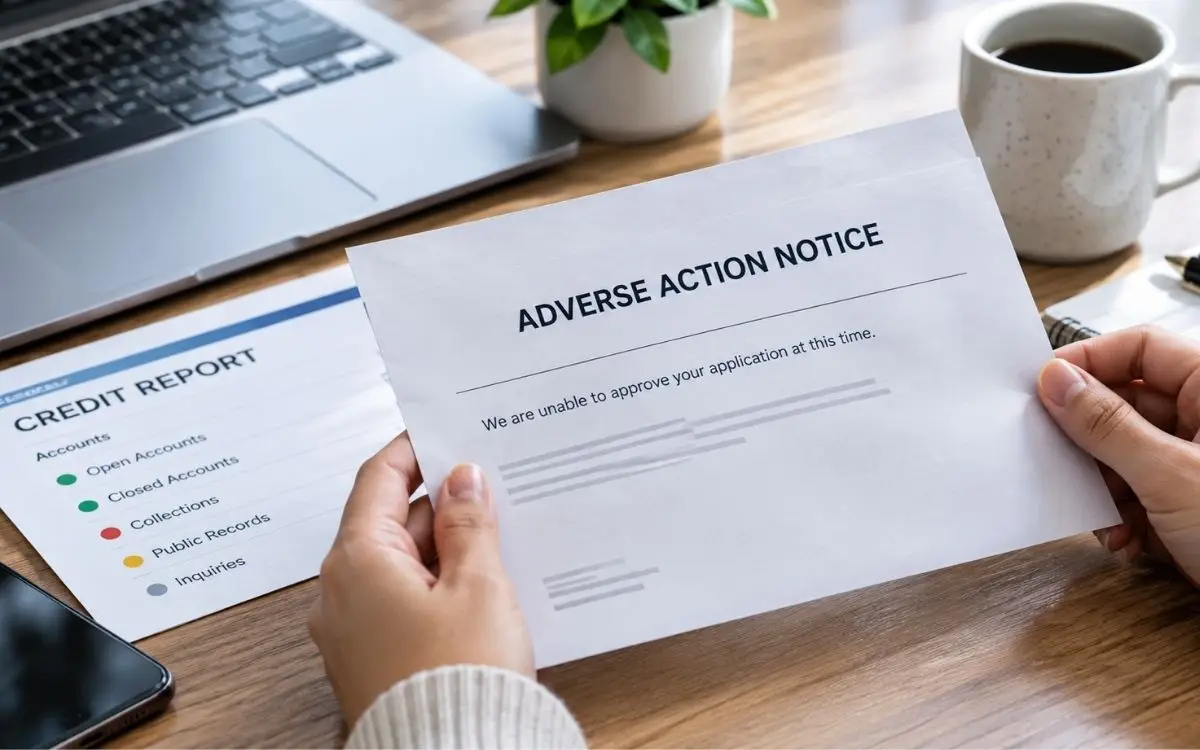
- Received an adverse action notice, such as a denial of credit, housing, or employment based on your report (request it within 60 days)
- Are unemployed and plan to look for a job in the next 60 days
- Receive public assistance
- Believe your file is inaccurate because of fraud or identity theft
- Have a fraud alert on file
What to Look For When You Review Your Report
Once you have your reports in hand, read them line by line. Do not just glance at the summary. Watch for:
- Accounts you do not recognize, which can be a sign of identity theft or a mixed credit file where someone else’s data landed in your report
- Late payments listed on accounts you paid on time
- Balances that are too high, including debts you already paid off
- Personal information that is wrong, like a former address, an unfamiliar employer, or a misspelled name
- Duplicate accounts, especially the same debt reported by both the original creditor and a collection agency
- Accounts that should have been removed after bankruptcy or a settlement
- Warning signs of credit fraud, such as new accounts you never opened or hard inquiries from lenders you never contacted
- In rare cases, a credit bureau wrongly marking a living consumer as deceased, which can freeze every account you own
If any of this sounds familiar, you are not alone. Errors like these show up on credit reports more often than most people realize, and they can affect your overall financial health for years if they go uncorrected. An incorrect background check can cause similar damage in a job search, and it is worth looking into as well.
Protecting Your Information Between Checks
Reviewing your reports weekly is the best habit. Two other free tools add another layer of protection for your personal data.
| Protection | Cost | How Long It Lasts | Bureaus to Contact |
|---|---|---|---|
| Initial fraud alert | Free | 1 year (renewable) | Just one; that bureau must notify the other two |
| Extended fraud alert (identity theft victims) | Free | 7 years | Just one; that bureau must notify the other two |
| Credit freeze | Free | Until you lift it | All three, separately |
A fraud alert tells prospective lenders to verify your identity before opening new credit in your name. A credit freeze blocks most new access to your file entirely, often the stronger option after identity theft. Both cost nothing, and neither hurts your credit score.
Your Rights Under the Fair Credit Reporting Act
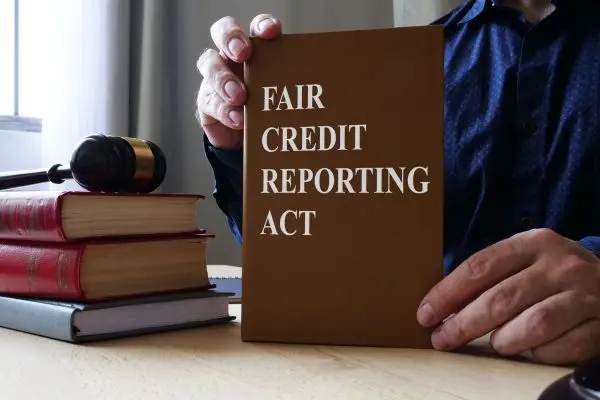
The Fair Credit Reporting Act, or FCRA, is the federal law that gives you the right to accurate credit reporting. It also gives you a real process for fixing what is wrong, and the Consumer Financial Protection Bureau (CFPB) oversees how credit reporting companies are expected to follow it.
When you dispute an error with a credit bureau, it generally has 30 days to reinvestigate, extended to 45 days if you submit more information while the investigation is open. If the bureau or the furnisher, the company that reported the information, cannot verify the item within that window, federal law requires it to come off your report.
A dispute does not always go the way it should. Some bureaus reinvestigate on autopilot and simply “verify” an error without doing real work. If that happens to you, it may be a sign your FCRA rights were violated, and you may have legal options beyond another dispute letter.
What to Do if You Find an Error
- Get copies of all three reports so you can compare them.
- Note every entry that looks wrong.
- Gather proof, such as payment records, account statements, or a police report for identity theft.
- File a dispute with the credit bureau reporting the error, using its online dispute form or a written letter.
- Keep a copy of everything you send and every response you get back.
- If the dispute is ignored or you are still dealing with the fallout, such as a denied mortgage or a higher interest rate than you should have qualified for, talk to an attorney about your options.
How Fair Credit Attorneys Can Help

We are a consumer protection law firm, not a credit repair service, and we do not promise to erase accurate information from your file. We hold credit bureaus, furnishers, and background check companies accountable when they violate your rights under the FCRA.
If a dispute goes nowhere, or an error already cost you a loan, an apartment, or a job, we can review your reports and denial letters and explain your options. Call (866) 381-6444 or reach out through our website for a free case review.
Frequently Asked Questions
You can get a free credit report from Equifax, Experian, and TransUnion every week at AnnualCreditReport.com. This weekly access became a permanent federal right at the end of 2023.
Yes. It is the only website authorized by federal law to provide free credit reports from all three bureaus. You should never need to enter a credit card number to get your report there.
No. Checking your own report is called a soft inquiry and does not affect your credit score, no matter how often you do it.
Document the error and file a dispute with the bureau reporting it. If the bureau does not properly reinvestigate within the legal deadline, talk to an attorney about your options.
Your credit report is the detailed record of your accounts, payment history, and personal information. Your credit score is a number calculated from that report. An error on your report can lower your score, so checking the report itself is the better place to start