On This Page
Credit report errors are more than an inconvenience; they can directly impact your credit score, credit history, and financial security. Because lenders and others rely on the credit reporting system, incorrect information can lead to denied applications, higher rates, or lost opportunities.
When a credit bureau or other credit reporting agencies fail to correct these errors after a dispute, it may become a legal issue. Under consumer protection laws, you may have the right to take legal action.
This is how turning credit report errors into settlements becomes possible. If your consumer rights are violated, you may recover damages for financial harm, emotional distress, and in many cases, attorney’s fees paid by the company.
What Qualifies as a Credit Report Error?
Credit report errors include any incorrect information that affects your credit profile. This can involve inaccurate balances, payment history, credit limits, or other credit file information tied to your credit accounts.
More serious errors include accounts that do not belong to you due to identity theft or misuse of personal information like your Social Security number. Mixed file issues can also cause someone else’s data to appear on your report.
Other common problems include duplicate accounts, outdated derogatory marks, and errors from debt collectors or credit agencies. If the information is inaccurate, it should be addressed through the dispute process, and may lead to legal action if not corrected.
When a Credit Report Error Becomes a Legal Claim
Not every credit report error leads to a lawsuit. The key issue is whether the error remains after you complete the dispute process. Once you formally dispute incorrect information, credit reporting agencies are required to investigate and correct it if necessary.
Under the Fair Credit Reporting Act, a credit bureau must conduct a reasonable investigation into consumer disputes. If they ignore your dispute, rely on an automated system without proper review, or continue reporting inaccurate information, it may become an FCRA claim.
At that point, the issue shifts from a simple error to a violation of your consumer rights. This is when legal action becomes an option and where potential settlements begin to take shape.
The Dispute Process That Builds Your Case
The dispute process is critical because it creates the record needed for a legal claim. Without properly disputing errors, it is much harder to hold a credit bureau or credit agency accountable.
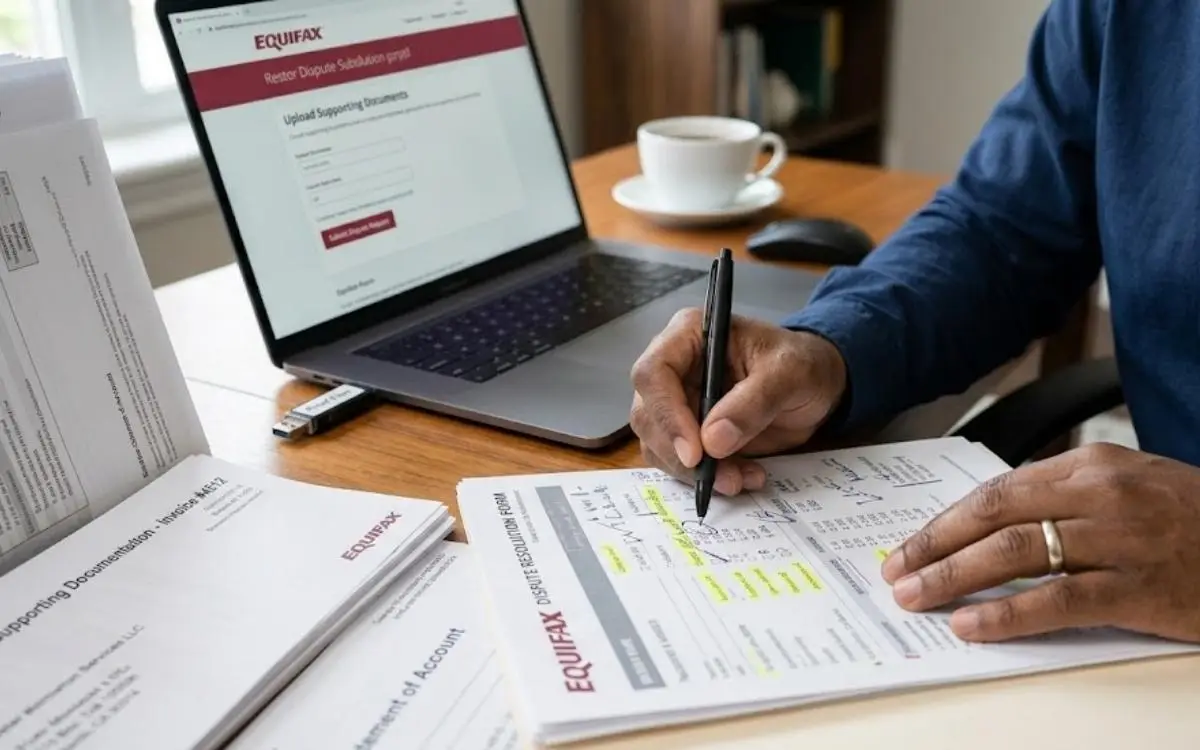
Start by reviewing your credit report and identifying any incorrect information. Then submit a credit dispute, either online or through a dispute letter. Including supporting documents and keeping a clear paper trail is essential.
For stronger documentation, many consumers send disputes by certified mail with a return receipt. This helps prove that the credit bureau received your dispute and began the dispute investigation.
If the error is not corrected after disputing the error, that failure becomes key evidence. Properly reporting credit report errors and documenting each step can turn a simple mistake into a valid legal claim.

Turning Credit Report Errors into Settlements: How It Works
Turning credit report errors into settlements typically follows a clear path. First, you identify incorrect information and begin disputing errors through the proper dispute process. This creates a record and puts the credit bureau or furnisher on notice.
The key turning point comes when the error is not fixed. If credit reporting agencies fail to correct the issue after a dispute investigation, it may qualify as an FCRA claim. This is where legal action becomes possible.
From there, a credit report lawsuit can be filed against the credit bureau, creditor, or even a debt collector or collection agency involved in the reporting. Once a claim is filed, many cases move into settlement discussions rather than going to trial.
Settlements and verdicts often depend on the strength of your documentation and the harm caused. In many cases, companies choose to resolve the issue rather than risk further liability. This is how incorrect information can turn into financial compensation.
Learn More: Credit Dispute Letter Guide
What Damages Can You Recover from Credit Report Errors?
If your rights are violated, you may be entitled to several types of damages. The most common are actual damages, which cover financial losses such as denied credit, higher interest rates, or other harm to your credit profile.
You may also recover compensation for emotional distress, especially if the errors caused significant stress or hardship. In some cases, statutory damages may apply even without major financial loss.
For more serious violations, courts may award punitive damages to penalize the company. Importantly, many successful claims also require the credit bureau or reporting company to pay your legal fees.
This means you may be able to pursue a claim without paying out of pocket, making it easier to take action when credit report errors are not corrected.
Why Credit Bureaus and Companies Settle These Cases
Many credit bureaus and credit reporting agencies choose to settle these cases rather than go to court. Litigation can be costly, time-consuming, and unpredictable.
If a company is found to have violated consumer rights, it may face damages, attorney’s fees, and increased scrutiny from regulators like the Consumer Financial Protection Bureau. This risk often makes settlement the more practical option.
In many cases, resolving a claim early allows the company to limit liability and avoid a larger judgment. For consumers, this creates an opportunity to recover compensation without a lengthy trial.
When to Contact a Credit Report Attorney
You should consider contacting a credit report lawyer if your dispute is ignored, denied without explanation, or the error keeps coming back. These are common signs that the issue may go beyond a simple mistake.
Legal help is especially important if the error has affected your credit score, led to a denied application, or involves identity theft. A consumer rights attorney can evaluate your situation and determine whether you have a valid claim.
Working with a credit lawyer can also help you navigate the dispute process, gather evidence, and pursue legal action if necessary. In many cases, you can move forward without paying upfront legal fees.

Conclusion: Credit Report Errors May Be Worth More Than You Think
Credit report errors are not just inconveniences; they can have real financial consequences. When incorrect information is not corrected, it may create an opportunity for legal action and compensation.
By properly disputing errors and documenting the process, you can protect your consumer rights and strengthen a potential claim. What starts as a reporting issue can become leverage for a settlement.
If you are dealing with unresolved credit report errors, do not wait. The sooner you act, the stronger your position may be. Call (866) 381-6444 today for a free consultation and find out if your situation may qualify for compensation, including damages and attorney’s fees.
Frequently Asked Questions
How can a credit report error turn into a settlement?
A credit report error can lead to a settlement if it is not corrected after you complete the dispute process. When a credit bureau fails to properly investigate or continues reporting incorrect information, it may violate the Fair Credit Reporting Act. This can form the basis for legal action and potential compensation.
Can I get paid for inaccurate information on my credit report?
Yes, in some cases. If incorrect information harms your credit score or financial opportunities and is not corrected, you may be entitled to damages. This can include compensation for financial losses, emotional distress, and other impacts caused by credit reporting errors.
Do I have to pay a lawyer up front for a credit report case?
In many cases, no. Credit report lawyers often handle these claims on a contingency basis. If your claim is successful, the credit reporting agency may be required to pay your attorney’s fees, meaning you typically do not pay upfront.
What if the credit bureau ignores my dispute?
If a credit bureau ignores your dispute or fails to properly investigate, it may be violating federal law. You can escalate the issue by filing a complaint with the Consumer Financial Protection Bureau or the Federal Trade Commission. You may also have grounds to pursue legal action.