On This Page
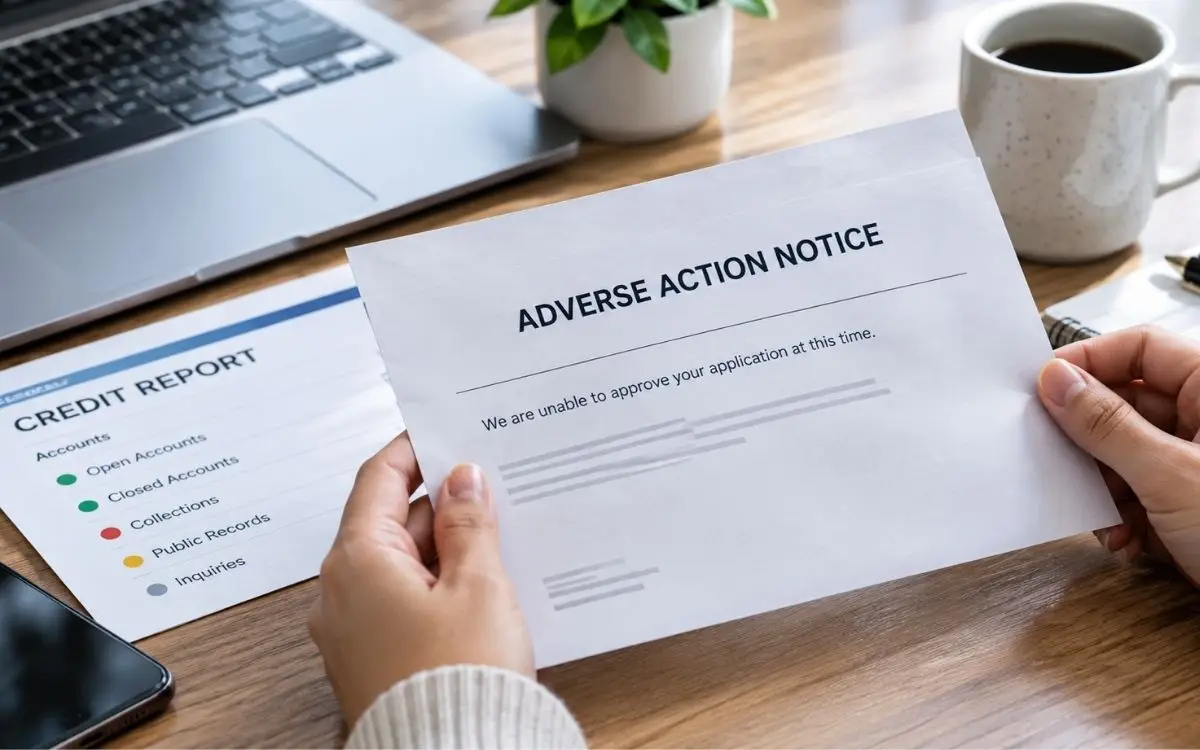
When we find mistakes on our credit report, our first instinct is usually to fix them quickly. Most people go straight to a credit bureau website and click “dispute online” because it seems fast and simple.
But what many people don’t realize is that the online dispute process can come with hidden risks. In some cases, it can even limit your legal rights under the Fair Credit Reporting Act and make it harder to take action later if the error isn’t corrected.
In this article, we’ll walk through why credit report errors are so often handled incorrectly through online systems, what’s really happening behind the scenes, and what we recommend instead.
If you’re dealing with credit reporting errors, we encourage you to contact Fair Credit Attorneys for a consultation so we can help you protect your rights and handle the dispute the right way from the start.
The Rise of Online Credit Disputes
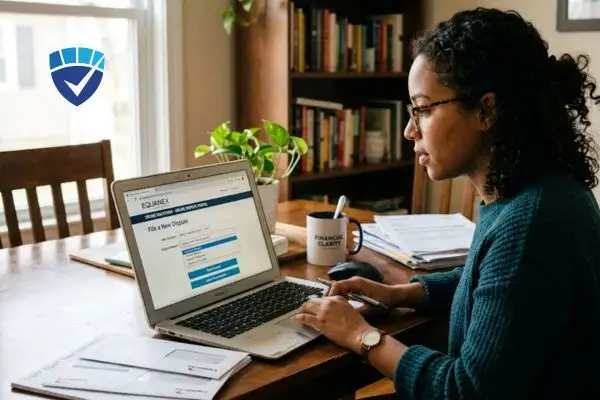
The three major credit reporting companies have made it very easy to file disputes online. On the surface, it feels helpful and efficient.
We can:
- Submit a credit dispute in minutes
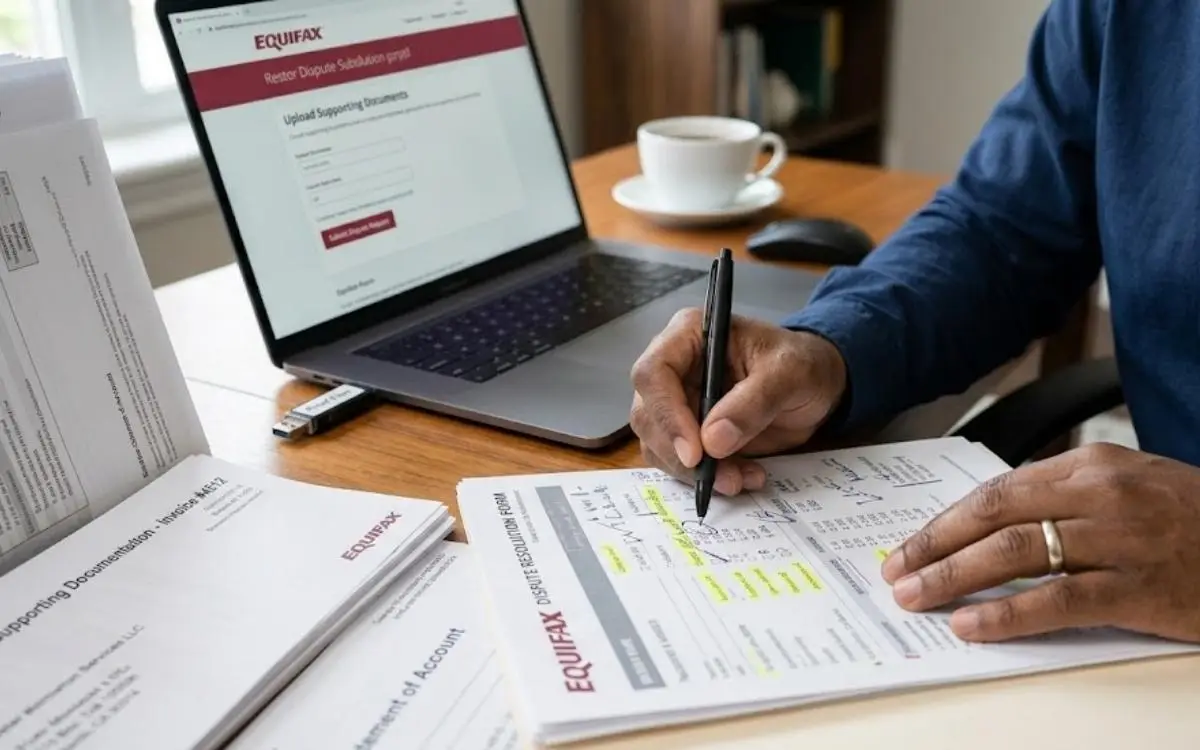
- Upload supporting documents
- Track updates through online tools
But these systems are designed more for speed than accuracy. Most online disputes go through an automated system tied to what is often called an automated consumer dispute verification form.
That means:
- Your dispute may be coded and processed automatically
- Supporting documents may not be fully reviewed
- The credit bureau may rely on limited information from data furnishers
In many cases, this includes debt collectors, original creditors, or credit card companies responding through automated channels instead of a full manual investigation.
Under the Fair Credit Reporting Act, credit reporting agencies are required to conduct a reasonable investigation, but automated systems do not always meet that standard in practice.
The Hidden Fine Print: What You Agree to When You Click “Dispute”
Before submitting an online dispute form, users are usually required to accept terms and conditions.
Most people click through without reading them.
However, those terms can include:
- Arbitration clauses
- Waivers of the right to file a lawsuit
- Limits on statutory damages
This is important because it can affect your ability to take legal action later if the credit reporting agencies fail to correct inaccurate information.
The Fair Credit Reporting Act gives consumers the right to dispute errors and pursue legal remedies when violations occur. But arbitration agreements may force disputes out of court and into private resolution systems.
That can significantly reduce leverage for consumers dealing with serious credit report errors.
Why Arbitration Clauses Matter
Arbitration is a private dispute resolution process that replaces a court case.
Here is how it compares:
Court process:
- Full access to evidence through discovery
- A public proceeding
- A jury may decide the outcome
- Stronger accountability for credit reporting companies
Arbitration process:
- Limited access to evidence
- Private decision-making
- No jury involvement
- Outcomes that often favor large companies
This matters when credit report errors affect:
- Mortgage applications
- Auto loans
- Credit card approvals
- Student loan debt decisions
- Borrowing power and credit score accuracy
Once arbitration applies, your options for legal action can become more limited.
The Problem with Online Disputes Beyond Legal Waivers
Even if we ignore the legal terms, the online dispute system has practical weaknesses.
Limited documentation handling
Online systems often restrict how much supporting documentation we can submit or how it is reviewed.
Weak paper trail
Online disputes may not provide strong proof of delivery, return receipt tracking, or detailed records that can later support a legal case.
Automated processing
Many disputes are handled through automated systems that may:
- Misclassify the issue
- Miss important context
- Repeat inaccurate information
Reduced leverage
Without certified mail or formal mailing disputes, it becomes harder to escalate issues or prove that credit reporting errors were properly reported.
A Better Approach: How to Dispute Credit Errors Safely
If we want to protect our rights, we should use a more formal process.
Use certified mail
Send a dispute letter by certified mail with return receipt requested. This creates:
- Proof of delivery
- A clear timeline
- A strong paper trail
A strong dispute letter can make all the difference. Use our Complete Credit Dispute Letter Template Guide.
Include clear explanations
We should clearly explain:
- What the error is
- Why it is incorrect
- What correction is requested
Add supporting documents
Include any evidence such as:
- Account statements
- Identity verification documents
- Proof of fraud or identity theft if applicable
Keep complete records
Always keep copies of:
- All dispute letters
- Return receipt confirmations
- Any responses received
This documentation becomes critical if legal action is ever needed.
Learn More: How to Dispute Collections on Your Credit Report
When to Contact a Credit Attorney

There are situations where professional help becomes necessary.
We recommend speaking with a credit reporting lawyer if:
- Disputes are ignored or repeatedly verified as accurate
- Errors are affecting credit score or borrowing power
- Identity theft or mixed credit files are involved
- Credit reporting errors impact employment purposes
- Debt collectors or collection agencies continue reporting incorrect information
We also see many issues involving credit repair companies, credit counseling services, and debt settlement programs that do not fully resolve underlying reporting problems.
Federal agencies such as the Federal Trade Commission and the Consumer Financial Protection Bureau ****regularly receive complaints about these issues.
How Fair Credit Attorneys Can Help
At Fair Credit Attorneys, we focus on helping consumers fix inaccurate credit reporting and enforce their rights under federal consumer financial laws.
We assist with:
- Reviewing credit file disclosures for errors
- Filing proper mailing disputes with supporting documentation
- Enforcing rights under the Fair Credit Reporting Act
- Identifying violations that may support legal claims
We also help clients understand tools such as:
- Credit freezes and fraud alerts
- Credit monitoring strategies
- Identity theft protections
- Credit-building considerations after disputes
When necessary, we pursue legal action to recover statutory damages and hold credit reporting agencies accountable for violations.
A Smarter Way to Protect Your Credit and Your Rights
Disputing a credit report error online may seem like the easiest option, but it is not always the safest one.
Online systems can:
- Limit your legal rights
- Rely heavily on automated decision-making
- Weaken your paper trail
- Reduce your ability to take legal action later
A more careful approach using certified mail, strong documentation, and a clear dispute process gives us much better protection under the Fair Credit Reporting Act.
If you are dealing with credit report errors, contact Fair Credit Attorneys. We can review your situation, help you understand your rights, and guide you through the dispute process the right way from the beginning.
Frequently Asked Questions
Is disputing a credit report error online safe?
Online disputes are convenient, but they may include hidden terms that limit your legal rights and reduce your ability to take further action if the error is not corrected.
Can I lose my right to sue by disputing online?
In some cases, yes. Certain online dispute systems may include arbitration clauses that limit or waive your right to file a lawsuit under the Fair Credit Reporting Act.
What laws protect me when disputing credit report errors?
The Fair Credit Reporting Act protects consumers by requiring credit reporting agencies to investigate disputes and correct inaccurate information.
Can credit report errors affect my credit score?
Yes. Even small errors can lower your credit score and impact loans, credit cards, mortgages, and other financial decisions.