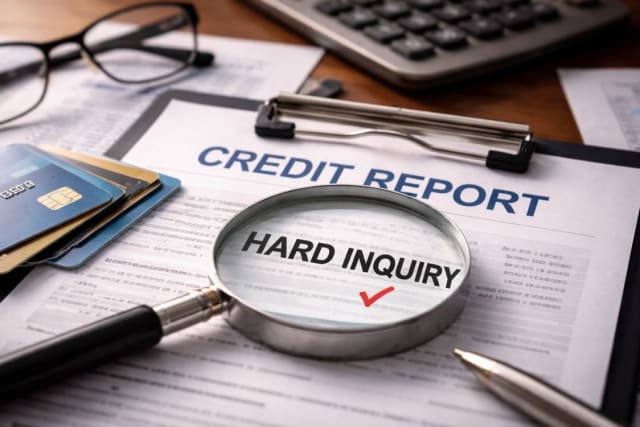
If you have ever pulled your credit report and seen collection accounts staring back at you, you are not alone. Many of our clients come to us feeling frustrated, confused, or even embarrassed about debt in collections. The truth is, collections accounts are common, and they are also frequently wrong. Errors, outdated information, and unlawful debt collection practices happen more often than most people realize.
The good news is that you have rights and options. With the right dispute process, many collections accounts can be corrected or removed, helping protect your credit score and your financial future. At Fair Credit Attorneys, we help clients challenge inaccurate credit reporting, hold credit bureaus and debt collectors accountable, and pursue legal help when violations occur. If collections are hurting your credit history, now is the time to act. Call Fair Credit Attorneys at (866) 381-6444 to review your credit report and discuss your next steps.
What Is a Collection Account and Why It Appears on Your Credit Report

A collection account appears when an unpaid debt is transferred or sold to a collections agency after missed payments. This can happen with:
- Credit cards
- Medical bills and medical insurance account numbers
- Utility bills
- Auto loan balances
- Personal loans or bank account overdrafts
Once the debt is assigned to collection agencies, it may be reported to one or more credit bureaus, also known as credit reporting agencies or credit reporting companies. These entries are considered derogatory marks and can cause serious collections impact, including higher interest rates, denied loans, and trouble securing housing.
In some cases, a debt collector may report incorrect account information, the wrong account number, or even someone else’s personal information, such as a Social Security number. These mistakes make collections accounts prime targets for a credit report dispute.
Common Errors Found in Collections Accounts

In our experience, many collections accounts contain mistakes. Some of the most common errors include:
- Debts that do not belong to you
- Incorrect balances or inflated interest rates
- Duplicate listings from multiple collection agencies
- Accounts reported past the statute of limitations
- Collections tied to identity theft or online attacks
- Incorrect personal information or malformed data
- A late payment reported inaccurately
- A collections notice reported without proper debt validation
Even a small error can unfairly damage your credit score. That is why reviewing your credit report carefully is such an important first step.
Related: Examples of credit report errors
Your Rights Under Federal Credit Laws
Two major federal laws protect consumers dealing with debt collection and credit reporting:
Fair Credit Reporting Act (FCRA)
The Fair Credit Reporting Act requires credit bureaus to report accurate, complete, and verifiable information. If something on your credit report is wrong, you have the right to dispute it, and the credit reporting agency must investigate.
Fair Debt Collection Practices Act (FDCPA)
The Fair Debt Collection Practices Act regulates how debt collectors and collection agencies can contact you and pursue collection efforts. It also gives you the right to request verification of debt and receive a validation notice.
These laws are enforced by agencies such as the Consumer Financial Protection Bureau and state Attorney General offices. When violations occur, consumers may be entitled to damages and legal remedies.
Step One: Get and Review Your Credit Reports
Before starting a credit report dispute, we always recommend obtaining your credit reports from all three major credit bureaus. Review each report carefully and look for:
- Collections accounts you do not recognize
- Incorrect account numbers or account information
- Wrong balances or dates
- Errors tied to credit inquiries or court judgments
- Debts that should have aged off your report
Keep copies of your reports and note the credit report confirmation number if you pull them online. This documentation is critical for the dispute process.
Step Two: Understand Debt Validation and Your Right to Proof
If a collections agency contacts you, they must provide a validation notice explaining the debt. You have the right to request verification of debt by sending a debt validation letter, sometimes called a validation letter.
A proper debt validation request asks for:
- The name of the original creditor
- The amount owed and how it was calculated
- Proof the debt belongs to you
- Validation information linking the debt to your account
If the debt collector cannot provide this information, they must stop collection efforts and should not continue reporting the debt.
Step Three: Start the Credit Report Dispute Process
Once you identify errors, it is time to file a credit report dispute. This can be done in several ways:
- Online through a credit bureau’s dispute center
- By mail, using a credit dispute letter
- Using a dispute form provided by the credit reporting agency
We often recommend written disputes because they create a paper trail. When submitting a dispute letter, include:
- Your full name and personal information
- The account number being disputed
- A clear explanation of the error
- Copies (not originals) of supporting documents
Always mail the form or letter using certified mail when possible, and keep the confirmation code or receipt.
What Happens After You File a Dispute
After receiving your dispute, the credit reporting agency typically has 30 days to investigate. During this time, they contact the creditor or debt collector to verify the information.
Possible outcomes include:
- The collections account is deleted
- The information is corrected
- The account is verified and remains
If the account remains without proper verification of debt, you may have grounds for further action, including legal help.
What If the Collection Is Verified but Still Wrong?
Unfortunately, verification does not always mean the information is accurate. Debt collectors sometimes confirm data without real proof. This is where experienced legal advice becomes important.
If a credit bureau or collections agency continues reporting inaccurate data, you may be dealing with violations of the Fair Credit Reporting Act or the Fair Debt Collection Practices Act. In these cases, working with Fair Credit Attorneys can make a significant difference.
Special Situations: Identity Theft, Judgments, and Old Debts
Some disputes involve more complex issues, such as:
Identity Theft
If collections stem from identity theft, you may need to file reports, submit affidavits, and protect sensitive data like Social Security numbers, bank account numbers, and security service credentials.
Court Judgments
Collections tied to a court judgment require careful review to ensure the judgment is valid and properly reported.
Statute of Limitations
Even if a debt is legitimate, it may be too old to report or collect. The statute of limitations varies by state and debt type.
When Credit Repair Companies and Counseling Come Up
Many consumers ask about working with a credit repair company or a credit counseling agency. While some organizations, like InCharge Debt Solutions or nonprofit credit counseling services, can offer budgeting help, they cannot provide legal representation.
Groups such as the National Association of Consumer Advocates and Legal Aid Society support consumer rights, but only a qualified attorney can enforce federal credit laws on your behalf.
Why Legal Help Can Make the Difference

Disputing collections accounts is not just about paperwork; it is about enforcing your rights. When credit bureaus, debt collectors, or credit reporting companies fail to follow the law, legal action may be necessary.
At Fair Credit Attorneys, we help clients:
- Challenge inaccurate collection accounts
- Stop unlawful collection efforts
- Protect social security benefits and veterans’ benefits
- Address issues tied to bankruptcy filing tools or financial review boards
- Recover damages for credit reporting violations
Our goal is to help restore your credit history so you can qualify for better interest rates, protect future auto loans, and move forward with confidence.
Take the Next Step Toward Cleaner Credit
Collections accounts can feel overwhelming, but they do not have to control your financial future. With the right dispute process, proper documentation, and knowledgeable legal advice, many negative items can be corrected or removed.
If collections are damaging your credit score or you are unsure whether a debt is valid, do not wait. Fair Credit Attorneys is here to help you navigate credit report disputes, deal with debt collectors, and hold credit bureaus accountable under the law. Contact Fair Credit Attorneys today to discuss your situation and take the first step toward protecting your credit and your peace of mind.
FAQs
How long do collection accounts stay on a credit report?
Most collection accounts can remain on your credit report for up to seven years from the date of the first missed payment that led to debt collection. Even if you pay the debt, the collection may still appear unless it is removed or corrected through a credit report dispute.
Will disputing a collection hurt my credit score?
No, filing a credit report dispute does not hurt your credit score. In fact, if the collection is removed or corrected, your credit score may improve by reducing negative or inaccurate information on your credit history.
How long does the credit report dispute process take?
Most credit bureaus have 30 days to investigate a dispute. They must either correct, delete, or verify the collection account and notify you of the results. Always keep your credit report confirmation number and dispute records.
Do I need to pay a collection before disputing it?
No, you do not need to pay a collection account to dispute it. Payment does not automatically remove a collection and may restart collection efforts. It is usually best to dispute first and confirm whether the debt is accurate and legally collectible.