On This Page
A credit report is supposed to be a factual record. For a lot of people, it is not.
Maybe a loan application came back denied for no reason you can explain. Maybe a landlord pulled your credit and found a collection account you have never heard of. Maybe your report has a Social Security number that is not yours attached to accounts you never opened. These are not rare glitches. They are credit reporting errors, and federal law gives you real rights when they show up on your file.
This guide walks through the most common types of credit report errors, why they happen, and what the Fair Credit Reporting Act (FCRA), the federal law that governs credit reports, says you can do about them. If an error on your credit report has already cost you a loan, a job, or a place to live, you do not have to fight the credit bureaus alone. Contact Fair Credit Attorneys for a free case review and find out where you stand.
What Counts As A Credit Report Error

A credit reporting error is any piece of inaccurate, incomplete, or unverifiable information on your credit profile, the file that credit reporting agencies (also called credit bureaus) keep and sell to lenders, landlords, and employers. The three major credit bureaus, Equifax, Experian, and TransUnion, each keep a separate file on you, and errors do not always show up on all three at once.
A 2013 study conducted for the Federal Trade Commission found that one in five consumers had an error on at least one of their three credit reports, and about five percent had a mistake serious enough that it could lead to paying more for an auto loan, a credit card, or insurance. That study is more than a decade old, but it remains the most cited government research on the topic, and nothing about how the credit reporting system works today suggests the problem has gone away.
| How Common Credit Report Errors Show Up | What It Usually Means | What You Can Do |
|---|---|---|
| Wrong balance or credit limit | A furnisher (the company reporting your account) sent the credit bureau outdated or incorrect numbers | Dispute directly with the credit bureau and the furnisher |
| Account that is not yours | Mixed file, identity theft, or a data-entry mistake | Dispute in writing and consider a fraud alert or credit freeze |
| False late or missed payment | Payment history was not updated after you paid on time | Dispute with supporting documentation like bank statements |
| Old debt reappears after bankruptcy | Furnisher failed to update the account after discharge | Dispute with your discharge paperwork attached |
| Same debt listed twice | Both the original creditor and a debt collector reported it | Dispute and ask which entry is accurate |
| Reported as deceased | Data mismatch at the bureau or a furnisher | Dispute immediately, this can freeze your entire credit profile |
The Most Common Types Of Credit Report Errors
Identity And Mixed File Errors
A mixed credit file happens when a bureau merges your information with someone else’s, often someone with a similar name, a similar address, or a Social Security number that was mistyped by a single digit. When this happens, a stranger’s late payments, collections, or even bankruptcy can show up on your report. Automated processes at the credit bureaus are built for speed, not perfection, and identity errors like this are a direct result.
Identity theft causes a related but different problem. If someone opens a credit card, takes out an auto loan, or runs up a credit account using your personal information, those accounts show up on your credit profile as if you opened them. Identity theft cases often need a different first step than a routine dispute, including a police report and an identity theft report with the FTC, so if you suspect fraud rather than a simple mixup, that distinction matters.
Account And Balance Errors
Some of the most frequent credit reporting errors are simple, but costly, number problems:
- A current balance that does not reflect a payment you already made
- A credit limit that is reported lower than it actually is, which can quietly raise your credit utilization score and hurt your credit score even though nothing about your real finances changed
- A closed account still showing as open, or an open account showing as closed
- An account listed as authorized user activity when you were never added to that account, or the reverse, your own account missing from your file
Payment History And Delinquency Errors
Payment history carries a lot of weight in how lenders view your credit history. Common errors here include a payment marked late when you paid on time, a delinquent account with the wrong date of delinquency (which matters because it affects how long a negative item can legally stay on your report), and charged-off accounts that were never actually charged off. Debt collection accounts are especially prone to this, since the information often passes through several hands, from the original creditor to a debt buyer, before it reaches your credit profile.
Public Record And Account History Errors
Public record information, like bankruptcies, judgments, and tax liens, is supposed to disappear or update once it is resolved. In practice, discharged bankruptcy debts, satisfied judgments, and paid tax debt sometimes stay on a report long after they should be corrected. Double reporting is another version of this problem: the same debt shows up twice, once from the original creditor and once from a debt collection agency, making it look like you owe the balance twice over.
Reinsertion And Re-Aging Errors
Under federal law, once a credit bureau removes an inaccurate item after an investigation, it generally cannot reinsert that same item without notifying you first. When it does anyway, that is a reinsertion error, and it can be a sign the bureau is not following its own legal obligations. A related problem, re-aging, happens when a collector or furnisher resets the date on an old debt to make it look more recent than it is, which can affect how long the item legally stays on your report.
Errors That Cost You A Loan, A Job, Or A Home
Some credit reporting errors do not just sit quietly on a file. They show up at the exact moment you need your credit the most:
- A wrong balance or false delinquency that tanks a mortgage denial or an auto loan application in the middle of the car-buying process
- A background check error, criminal record mismatch, or an old eviction that costs you a chance to rent a property
- An employment background check error that costs a job offer after a company runs a background check and finds information that belongs to someone else
- A credit card denial based on an account that is not even yours
If any of this sounds familiar, know that the FCRA covers background check errors and employment screening reports, not just traditional credit reports, since both are considered consumer reports under federal law.
Your Rights When You Find A Credit Reporting Error
The Fair Credit Reporting Act gives every consumer the right to dispute information that is inaccurate, incomplete, or that cannot be verified. Here is what the dispute process generally looks like, according to the Federal Trade Commission and the Consumer Financial Protection Bureau (CFPB):
- Get your reports. Pull your credit reports from all three credit bureaus so you can see exactly what each one says.
- Identify the errors. Go through your credit accounts line by line and note anything that looks wrong, including balances, account status, and personal information like your name, address, or Social Security number.
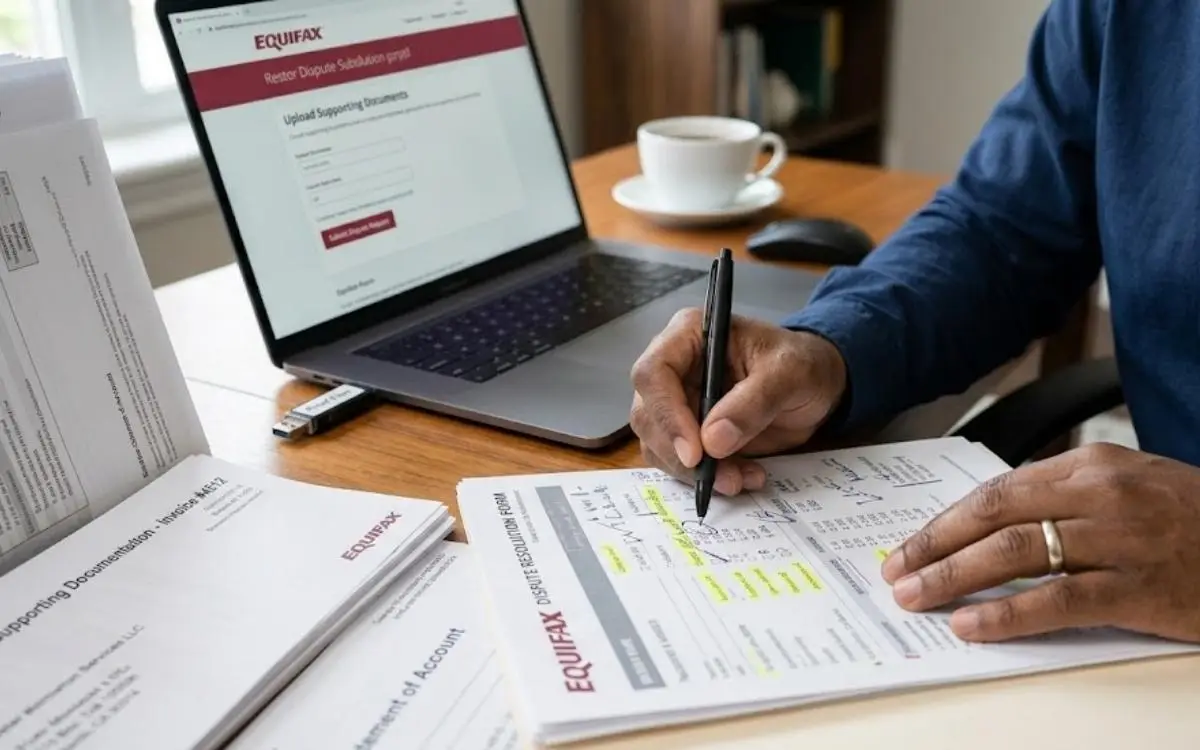
- Gather supporting documentation. Bank statements, payment confirmations, a bankruptcy discharge order, or a police report for identity theft all strengthen a dispute.
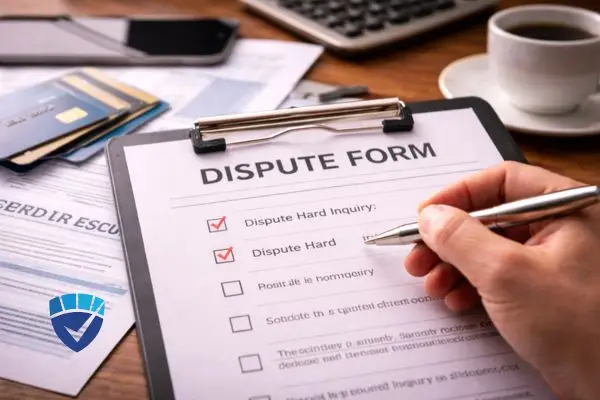
- File your dispute in writing. Send a dispute letter to the credit bureau, and separately to the company that furnished the incorrect information, clearly explaining what is wrong and attaching your supporting documents. Many bureaus also accept an online dispute form, but a mailed letter sent by certified mail gives you a paper trail.
- Keep your tracking number and confirmation number. These prove when you filed and give you something to reference if the bureau does not respond in time.
- Watch the clock. By law, a credit bureau generally has 30 days to investigate a dispute once it receives one, though that window can extend to 45 days in certain situations, such as when you submit extra documentation partway through the review or dispute a report you just received for free.
This dispute process works for a lot of routine errors. It does not always work when a bureau ignores your evidence, reinserts an item without notice, or keeps reporting the same mistake after multiple disputes. That is usually the point where a dispute stops being a paperwork problem and starts being a legal one.
When A Dispute Is Not Enough
If you have disputed an error and the credit bureau or furnisher still will not fix it, you may have a claim under federal law, separate from the dispute system itself. A few things to understand:
- Willful versus negligent violations matter. If a credit reporting company or furnisher willfully ignores your rights under the FCRA, the law allows for actual damages or statutory damages, plus the possibility of punitive damages and attorney’s fees. A negligent violation, one that was not intentional, is generally limited to actual damages plus attorney’s fees and costs. Which category a case falls into depends on the specific facts, so this is not something to guess at on your own.
- There is a deadline. Federal law requires an FCRA lawsuit to be filed within two years of when you discover the violation, or five years from when it happened, whichever comes first. Waiting to talk to someone can cost you that window entirely.
- No outcome is guaranteed. An attorney can review your credit reports, your dispute history, and any denial letters to tell you whether you have a case worth pursuing, but the value of any case depends entirely on its own facts.
If you have been disputing the same credit report error for months with no result, or you were denied credit, a job, or housing because of information that turned out to be wrong, it may be time to talk to an FCRA attorney rather than sending another letter into the void.
Learn More: Disputing Errors on Your Credit Reports
Credit Report Errors Versus Credit Repair Companies
It is worth pausing on this, because a lot of the marketing around “fixing your credit” is built around a different, and much less regulated, industry. Credit repair companies typically charge a recurring fee to send dispute letters on your behalf, using the exact same dispute process you can use yourself for free. Some credit repair companies operate honestly. Others are outright credit repair scams that charge for services they never deliver, and Consumer Reports and the FTC have both published warnings about this pattern for years.
An FCRA attorney is not a credit repair company, and there is a real legal difference. A law firm does not just send dispute letters. When a credit bureau or furnisher violates the law, an attorney can hold that company legally accountable, something a credit repair company is not positioned to do. If a company promises to erase accurate negative history or guarantees a specific score increase, treat that as a warning sign, not a solution.
What To Do Next
If you found an error on your credit report today, here is a practical starting point:
- Order your credit reports from all three bureaus and review each one for accuracy.
- Set a fraud alert or a credit freeze if you suspect identity theft, so no new credit accounts can be opened in your name while you sort things out.
- Save every letter, email, and confirmation number connected to your dispute.
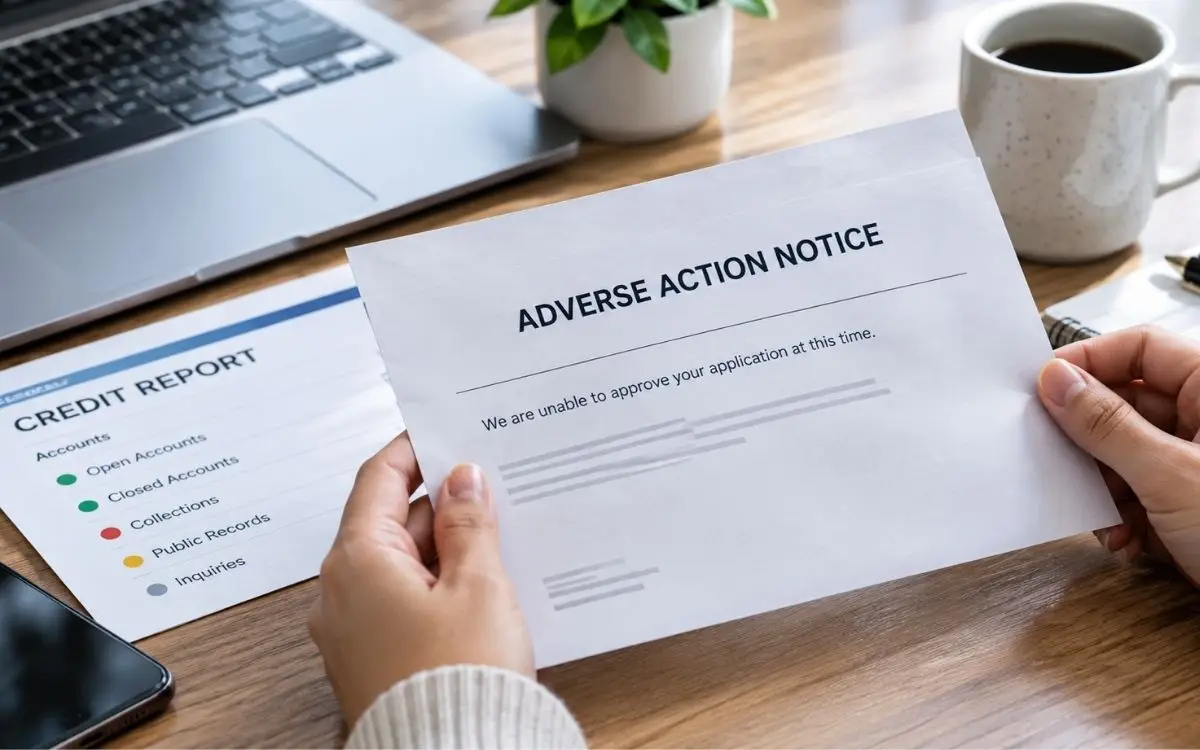
- Keep a copy of any adverse action notice you receive, since that document shows exactly what a lender, landlord, or employer saw and relied on.
- If disputes have stalled or an error already cost you an opportunity, get a second opinion from an attorney before assuming there is nothing left to do.
How Fair Credit Attorneys Can Help

Fair Credit Attorneys is a consumer protection law firm, not a credit repair service. Our attorneys, including Richard Doherty and James Smith, represent consumers nationwide against credit bureaus, furnishers, and background check companies that violate federal credit reporting law. We work on a contingency fee basis, so there is no upfront cost to find out whether you have a case.
If a credit reporting error has already cost you money, an opportunity, or peace of mind, schedule a free consultation with Fair Credit Attorneys and let us look at what happened.
Frequently Asked Questions
Balance and account status errors, like an old debt showing as unpaid or a closed account listed as open, are among the most frequently reported credit reporting errors, along with mixed file issues where another person’s information ends up on your report.
Generally, 30 days from when the bureau receives your dispute, though the window can extend to 45 days in certain circumstances, such as when you submit additional supporting documentation during the review period.
Yes. Employers and landlords often rely on background check reports, which are also considered consumer reports under the FCRA. An error on that report can lead directly to a lost job offer or a denied rental application.
No. A credit repair company typically charges a fee to send the same dispute letters you can send yourself, and cannot pursue legal action if a bureau violates your rights. An attorney can investigate the violation and pursue legal remedies under federal law.
That is a common situation, and it does not mean you are out of options. It may be a sign the bureau did not properly reinvestigate your dispute, which can be its own separate legal issue worth discussing with an attorney.