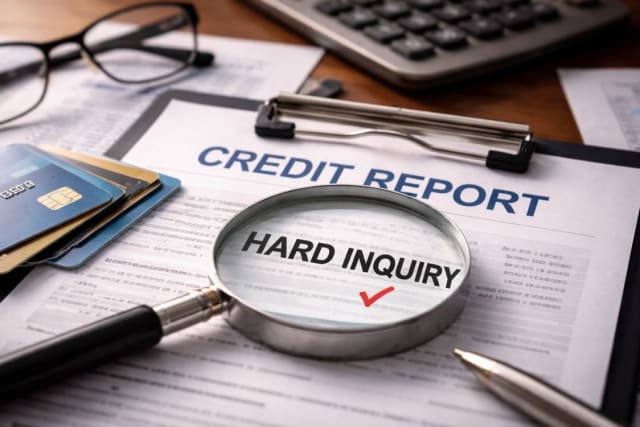
If you’ve found mistakes on your credit report, you’re not alone. We see clients every day dealing with credit report errors that hurt their credit score, delay approvals, and cause real stress. The big question is: can you fix this on your own, or do you need legal help?
At Fair Credit Attorneys, we help people like you understand your rights under the Fair Credit Reporting Act and take action when those rights are violated. If you’re dealing with ongoing credit reporting problems, now is the time to get answers and possibly legal support. Contact Fair Credit Attorneys today to see how we can help.
What Is the FCRA and How Does It Protect You?

The Fair Credit Reporting Act is a federal consumer law that protects your consumer report and how your information is handled.
Under this law, credit reporting agencies (also known as a consumer reporting agency or credit reporting company) must:
- Report accurate and complete consumer information
- Investigate disputes within a set timeframe
- Correct or remove inaccurate data
This applies to major credit bureaus and any company involved in credit reporting, including lenders and debt collection firms.
Your rights include:
- The right to review your credit file
- The right to dispute incorrect credit reporting errors
- The right to privacy and proper identity verification
- The right to seek legal remedies if the law is violated
Government agencies like the Federal Trade Commission and the Consumer Financial Protection Bureau enforce these protections, but enforcement often depends on consumers taking action.
Common Credit Report Errors You Might Encounter
Not all credit issues are your fault. In fact, many come from simple mistakes or system failures. We often see:
- Incorrect personal information (name, address, Social Security number)
- Accounts that don’t belong to you (often tied to identity theft incidents)
- Duplicate accounts or repeated credit inquiries
- Incorrect balances or credit card debt amounts
- Wrong discharge status after bankruptcy or debt settlement
- Outdated public records, including civil judgments
- Errors affecting employment-related background check reports
Even small errors can damage your credit health, lower your credit scores, and affect things like loans, renting, or buying an investment property.
Why Credit Errors Aren’t Always Easy to Fix
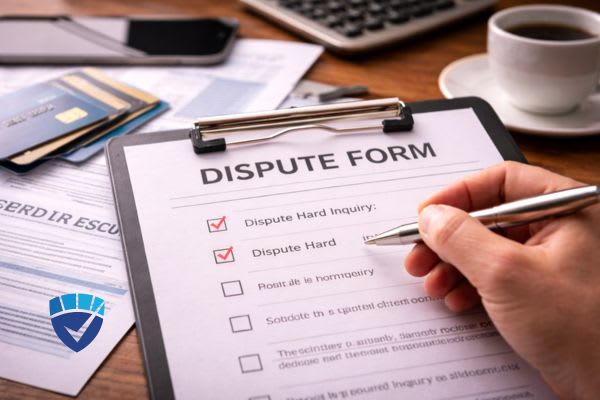
Many people assume they can fix credit reporting errors quickly. Sometimes that’s true, but often, it’s not that simple.
The standard dispute process involves:
- Sending dispute letters to credit reporting agencies
- Providing documents to support your claim
- Waiting for an investigation
Here’s where problems start.
We frequently see:
- Automated investigations that don’t truly review your documents
- A credit reporting company relying on the same incorrect data from creditors
- Errors being “verified” without proper review
- The same mistake coming back after it was removed
This creates a frustrating cycle in which disputed information goes nowhere.
When that happens, it may signal a violation of consumer reporting law, and that’s when a consumer protection attorney or credit report attorney should step in.
Learn More: How to fix credit report errors
Signs You May Need an FCRA Lawyer
So how do you know when it’s time to move beyond a basic credit repair service and consider legal action?
Here are the key signs we look for:
1. Your Dispute Was Ignored or Rejected
If credit bureaus fail to respond or keep rejecting valid disputes, that may violate the Fair Credit Reporting Act.
2. The Error Keeps Coming Back
If inaccurate information is removed and then reappears, this could be a serious compliance issue under consumer reporting law.
3. You’re Dealing with Identity Theft
Identity theft cases are complex. If fraudulent accounts remain on your credit file, despite disputes, legal help is often necessary.
4. The Error Is Causing Real Harm
We step in when errors lead to:
- Loan denials
- High interest rates
- Problems with housing or employment
- Issues during mortgage mediation or major purchases
These situations may qualify for monetary damages or financial compensation.
5. A Company Is Violating the Law
If a consumer reporting agency, creditor, or debt collection firm fails to follow proper legal procedures, you may have grounds for FCRA violation cases.
At this point, working with a consumer protection lawyer or dispute attorney becomes critical.
What an FCRA Lawyer Can Do for You

When you work with a firm like Fair Credit Attorneys, we don’t just send another dispute; we build a case.
Here’s how we help:
- Investigate your credit reporting problems in detail
- Identify violations of the Fair Credit Reporting Act, Fair Debt Collection Practices Act, or even the Fair Credit Billing Act
- Communicate directly with credit reporting agencies and creditors
- Handle all legal procedures, including filing in federal court if needed
- Pursue recovery of damages, including monetary damages and emotional distress
In many FCRA violation cases, you may also be entitled to:
- Financial compensation
- Recovery of attorney’s fees
- Other legal remedies under state and federal law
This is very different from basic credit repair or debt negotiation, which often cannot enforce your rights.
What to Expect When You Contact an FCRA Lawyer
We understand that reaching out to a consumer protection attorney can feel intimidating. But the process is usually straightforward.
When you contact us, we will:
- Review your credit report and supporting documents
- Evaluate whether your situation qualifies for legal action
- Explain your options in plain language
- Handle communication with creditors and credit bureaus
Our FCRA attorneys focus on identifying violations, building strong cases, and guiding you through each step so you’re not dealing with the process alone.
Many firms, including ours, offer consultations at no upfront cost. In qualifying cases, fees may be recovered through the case itself.
Information That Can Help Your Attorney Build a Stronger Case
While we take over the heavy lifting, having the right information helps us move faster and build a stronger claim.
Helpful documents include:
- Copies of your credit report showing errors
- Records of dispute letters and responses
- Evidence of denied credit, loans, or housing
- Documentation of identity theft incidents
- Notes about calls, emails, or interactions with creditors
This information helps us prove violations and pursue recovery of damages under consumer credit file rights under state and federal law.
How Long Do You Have to Take Legal Action?
Timing matters.
Under the Fair Credit Reporting Act, there is a statute of limitations for filing claims. In general:
- You have a limited time from when the violation occurred
- Or from when you discovered the issue
Waiting too long can limit your ability to recover financial compensation.
That’s why we recommend speaking with a consumer protection lawyer as soon as you notice ongoing credit reporting errors.
When Should You Call an FCRA Lawyer?

Not every mistake on a credit report requires legal help, but many do.
If your situation involves:
- Repeated credit reporting errors
- Unresolved disputes
- Identity theft
- Financial harm or denied opportunities
…it’s time to take the next step.
At Fair Credit Attorneys, we focus on holding credit reporting agencies, creditors, and debt collection firms accountable under the Fair Credit Reporting Act and related laws. We help clients move past frustrating credit issues and fight for the financial compensation they deserve.
If you’re dealing with errors that won’t go away, don’t wait. Contact Fair Credit Attorneys today and let us help you protect your rights, your credit history, and your financial future.
Frequently Asked Questions
What does an FCRA lawyer do?
An FCRA lawyer helps investigate credit reporting errors, handles disputes, identifies legal violations, and can take legal action to recover damages on your behalf.
Can I get compensation for credit report errors?
Yes, if your rights under the Fair Credit Reporting Act are violated, you may be entitled to financial compensation, including monetary damages and attorney’s fees.
How long does it take to fix a credit report error?
Credit reporting agencies typically have 30 days to investigate a dispute. However, more complex cases or repeated errors may take longer, especially if legal action is involved.
What if the same error keeps coming back?
If a credit reporting error is removed and then reappears, it may be a violation of consumer reporting law. This is a strong sign that you should speak with a consumer protection lawyer.