On This Page
A mistake on your credit report is not just annoying. It can cost you a loan, an apartment, or a job offer before you even know it is there. The good news is that federal law gives you specific rights to fix errors on your credit report, and a clear process for doing it.
This guide walks through what counts as a credit report error, the legal rights that back you up, and the exact steps to dispute incorrect information with the credit bureaus. If you follow every step and the error is still there, our FCRA attorneys offer a free case review to talk through what happened and what your options are.
What Counts as a Credit Report Error
A credit report error is any incorrect, incomplete, or outdated information on a report from Equifax, Experian, or TransUnion. These three companies are the major credit reporting agencies, and each one keeps its own file on you, called a credit file, built from data submitted by lenders, collectors, landlords, and other furnishers.
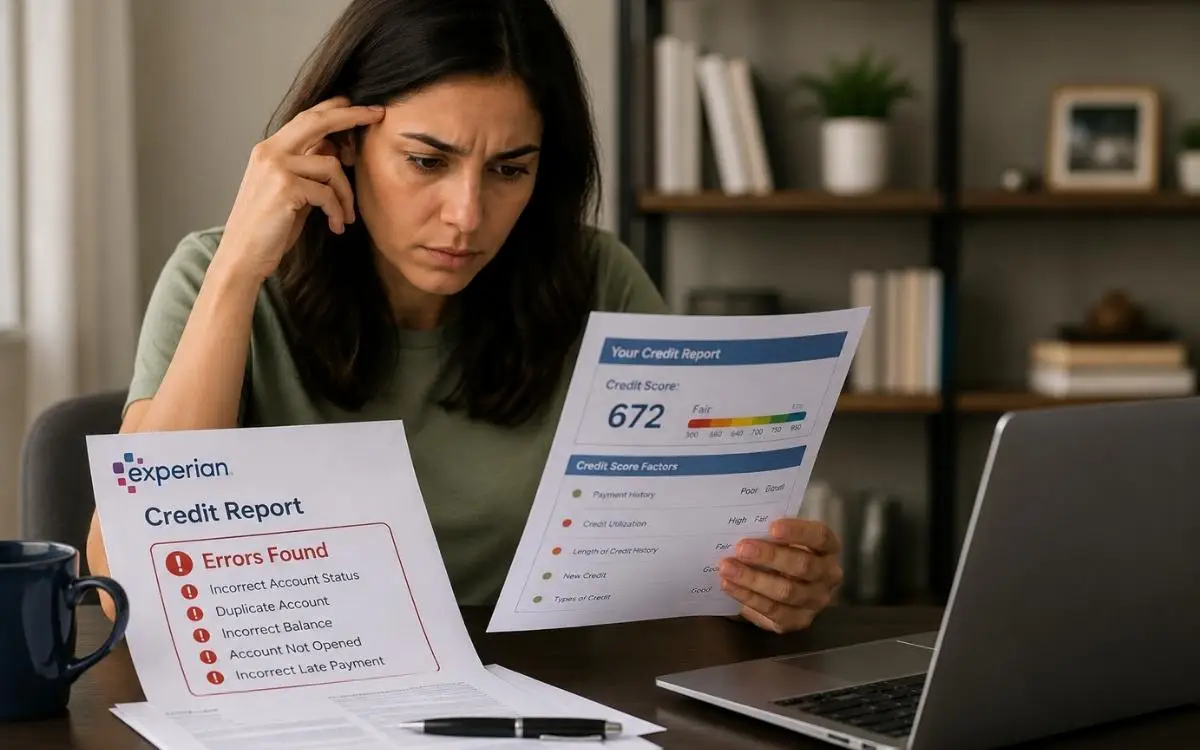
Common credit report errors include:
- Accounts that are not yours, often from a mixed file
- Incorrect payment history, such as a late payment on an account you always paid on time
- Wrong balances or credit limits, including paid-off debts still showing a balance
- Outdated negative information, like a delinquent account that should have aged off
- Duplicate accounts, where the same debt shows up twice from two sources
- Public records errors, such as a satisfied judgment still listed as unpaid
- Being incorrectly marked as deceased
- Signs of identity theft, such as accounts or inquiries you never authorized
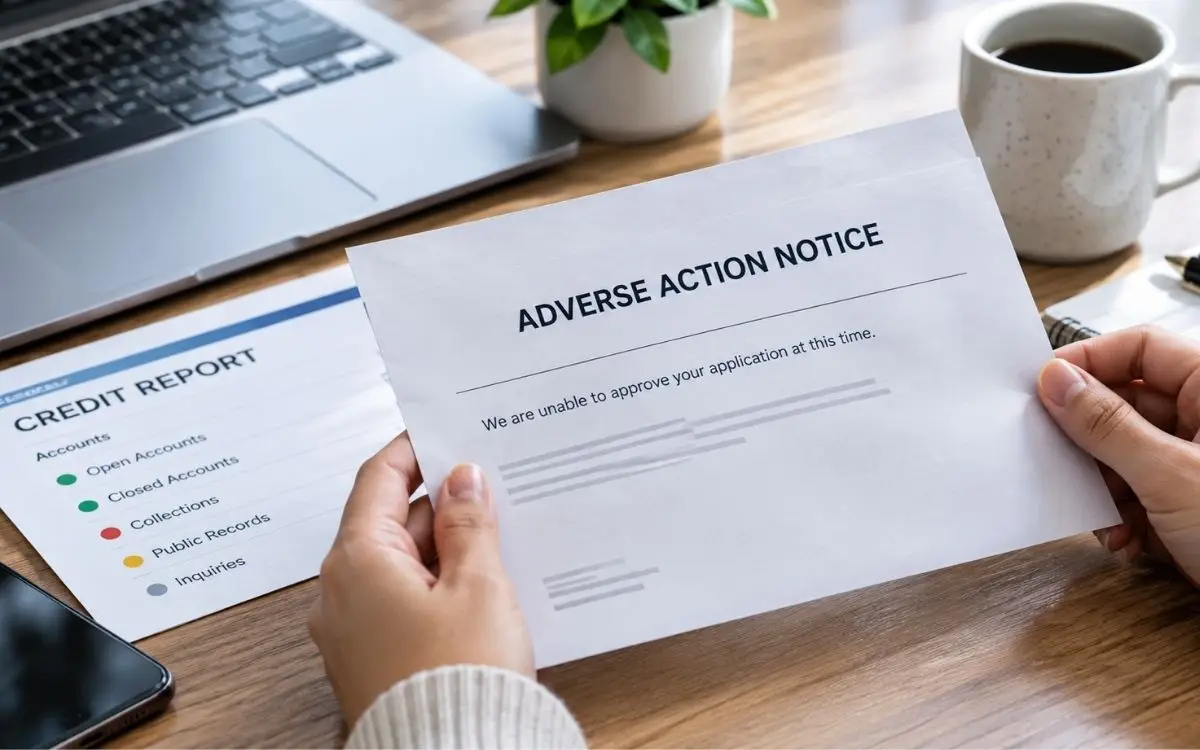
Any of these can drag down your credit score and cause a lender, landlord, or employer to turn you down. That denial is often the first sign a consumer has that their report is wrong.
Your Legal Rights Under the Fair Credit Reporting Act
The Fair Credit Reporting Act, or FCRA, is the federal law that governs what goes into your credit report and what happens when it is wrong. It gives every consumer in the country the same core rights, no matter what state they live in.
Under the FCRA, you have the legal right to:
- Dispute any information in your credit file that you believe is inaccurate or incomplete
- Have the credit bureau investigate your dispute, generally within 30 days
- Have the furnisher (the business that reported the information) investigate its own records once you dispute the item
- Receive a free copy of your credit report from each bureau every week through AnnualCreditReport.com
- Have corrected information sent to anyone who received your report in the recent past
- Block information that resulted from identity theft, under FCRA Section 605B
- Sue a credit bureau or furnisher that violates the FCRA, and recover damages in some cases
These rights exist because Congress recognized that a credit reporting agency has enormous power over your financial life, and consumers need a real way to correct the record.
How to Fix Errors on Your Credit Report: 7 Steps
Step 1: Request Your Credit Reports From All Three Bureaus
Start by pulling your report from Equifax, Experian, and TransUnion. Errors do not always show up on all three, since furnishers do not always report to every bureau. Get a free report from each one every week at AnnualCreditReport.com.
Step 2: Review Your Credit History Line by Line
Go through each account, inquiry, and public record. Check your payment history, credit limits, and balances against your own bank statements and account statements. Look closely at your personal information too, since a wrong address or misspelled name can signal a mixed file.
Step 3: Gather Supporting Documentation
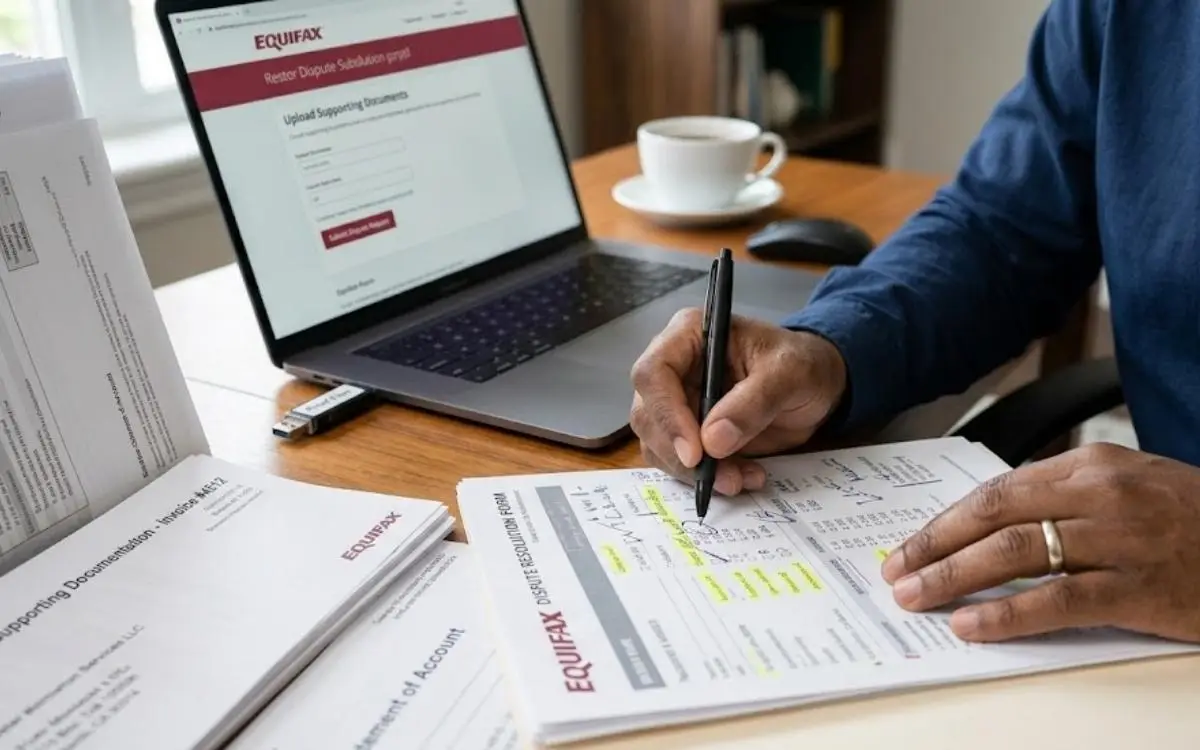
Before you file a credit dispute, gather proof: payment receipts, canceled checks, account statements, a paid-in-full letter, or a court document showing a judgment was satisfied. Send copies, never originals, and never include your full Social Security number or account numbers unless the dispute form specifically asks for them.
Step 4: Write a Clear Dispute Letter
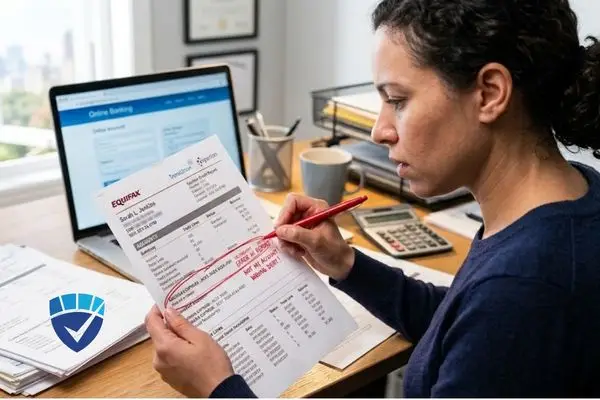
Your dispute letter should include your name and address, a copy of the report with the disputed item circled, a short explanation of why it is wrong, and copies of your documentation. The FTC publishes a sample dispute letter you can use as a starting point, or follow our dispute letter guide for a template.
Step 5: Send Your Dispute by Certified Mail or Through the Bureau’s Online Dispute System
You can dispute online, by phone, or by mail. Each bureau has its own dispute system with detailed instructions for submitting documents, and if you dispute online, save any credit report confirmation number you receive. If you mail your dispute, use certified mail with return receipt requested so you have proof of when it arrived. Send a separate letter to the furnisher too, since the FCRA requires furnishers to investigate as well.
Step 6: Track the Investigation Timeline
Once a bureau receives your dispute, it generally has 30 days to investigate, and that window can extend if you send more information during the review. The furnisher has its own 30-day deadline. If the bureau decides your dispute is frivolous, it has to tell you why in writing.
Step 7: Review the Results and Escalate If Needed
When the investigation ends, the bureau has to send you written results. If the item is corrected, you can request a free updated report and ask the bureau to notify anyone who received your report in the last six months (two years for employment purposes). If the bureau confirms the information as accurate and you still disagree, you can add a statement to your file, file a complaint with the CFPB, or talk to an attorney about your options.
Your Dispute at a Glance
| Where the Dispute Goes | Who Handles It | Typical Deadline |
|---|---|---|
| Credit bureau dispute | Equifax, Experian, or TransUnion | About 30 days to investigate |
| Furnisher dispute | The bank, collector, or company that reported the error | About 30 days to investigate |
| Legal claim under the FCRA | Federal court | 2 years from when you discover the violation, or 5 years from when it happened, whichever comes first |
Special Situations That Need Extra Attention
Some credit report errors are not simple mistakes. They are signs of a bigger problem that needs a different response.
Identity theft. If accounts, inquiries, or personal information you do not recognize show up on your report, identity thieves may have used your Social Security number to open credit in your name. Report it at IdentityTheft.gov, then use your FCRA right to block the fraudulent information under Section 605B.
Mixed credit files. If your report contains accounts, addresses, or public records that belong to someone else, your credit file may be mixed with theirs, often because two people share a similar name or Social Security number. Fixing a mixed file usually takes more than one dispute, since the bureau has to separate two identities that got merged together.
Credit Freeze vs. Fraud Alert
| Protection | What It Does | Best For |
|---|---|---|
| Credit freeze | Blocks lenders from viewing your file, which stops new accounts from opening in your name | Identity theft victims and anyone who wants the strongest protection |
| Fraud alert | Requires lenders to verify your identity before opening new credit | Consumers who want lighter protection or still plan to apply for credit soon |
| Credit monitoring | Alerts you to new activity on your file, but does not block anything on its own | Anyone who wants ongoing visibility into their credit file |
Why Credit Repair Companies Cannot Fix a Reporting Error
Credit repair companies are not law firms. They send form dispute letters for a recurring monthly fee, but they have no legal authority to investigate a violation or sue a credit bureau. Some operate as a credit repair scam, charging consumers for services they could do themselves for free.
An FCRA attorney is different. We can review your dispute history, determine whether the bureau or furnisher violated federal law, and pursue a legal claim if it did. See our FCRA lawyers page and our credit repair company comparison for more on the distinction.
When a Dispute Is Not Enough: Talking to an FCRA Attorney
Most credit report errors get fixed through the standard dispute process. But sometimes a bureau reinvestigates the same error without correcting it, or a furnisher keeps reporting information it already agreed was wrong. That can cross the line from an honest mistake into an FCRA violation.
Signs it may be time to talk to an attorney:
- The same error keeps coming back after more than one dispute
- A bureau confirmed inaccurate information without a real investigation
- You were denied credit, housing, or a job because of an error you already disputed
- Your identity theft or mixed file dispute was ignored or denied
If this sounds familiar, our attorneys can review your reports and dispute history and tell you honestly whether you have a case worth pursuing.
What You May Be Entitled to Under the FCRA
When a credit bureau or furnisher violates the FCRA, the law gives consumers a path to hold them accountable. What you can recover depends on the facts of your case and whether the violation was negligent or willful.
- Negligent violations can lead to actual damages, including financial losses and the time and stress spent fixing the error.
- Willful violations can lead to actual or statutory damages, generally $100 to $1,000 per violation, and in some cases punitive damages.
- In either case, a successful plaintiff can recover attorney’s fees and costs, which is part of why many FCRA cases are handled on a contingency fee basis.
We do not promise a specific outcome or dollar amount, since every case depends on its own facts. What we can tell you is whether your situation looks like a violation worth pursuing.
How Fair Credit Attorneys Can Help

We are a consumer protection law firm, not a credit repair company. Our attorneys, including Richard Doherty and James Smith, represent consumers nationwide from our office in Palos Heights, Illinois, and we take FCRA cases on a contingency fee basis, so you pay nothing out of pocket unless we win.
If you have already gone through the dispute process and the credit bureau or furnisher still will not fix the error, or you were denied credit, housing, or a job because of a report that turned out to be wrong, do not keep sending the same letter and hoping for a different result. Schedule a free consultation with our team and let us review what happened. Call (866) 381-6444 or request your free case review online, and find out whether the credit bureau or furnisher violated your rights under the FCRA.
Frequently Asked Questions
The credit bureau generally has 30 days to investigate a dispute, and that window can extend if you submit more information during the review. Furnishers have their own 30-day deadline. If the item is corrected, the change usually appears shortly after the investigation closes.
Yes. All three bureaus let you file online through their own dispute form, and you can also dispute by phone or mail. Mailing your dispute by certified mail gives you a paper trail if you need it later.
You can add a statement to your file, file another dispute with more documentation, submit a complaint to the CFPB, or talk to an FCRA attorney about whether the bureau failed to conduct a real investigation.
No. You have the legal right to dispute an error yourself, and many get fixed through the standard process. An attorney becomes useful when the bureau or furnisher will not correct a confirmed error, or a report error caused you real harm, like a credit, housing, or job denial.
No. Filing a dispute does not lower your credit score. The dispute process is designed to correct your file, not penalize you for questioning it.