On This Page
If you are a victim of identity theft, filing a police report with your local police department is one of the first steps you should take. It creates an official record and helps document that the fraudulent accounts and incorrect information on your credit report are the result of identity theft.
Many consumers assume that a police report will automatically force the credit bureaus to remove the fraudulent accounts. Unfortunately, that is not always the case. Even after you provide proof of identity theft, the credit bureaus may continue reporting the accounts and other credit report errors.
A police report is important evidence, but it is often only the beginning of the dispute process. If the credit bureaus refuse to block the fraudulent information, additional documentation and sometimes legal action may be necessary.
How Identity Theft Leads to Credit Report Errors
Identity theft occurs when someone uses your Social Security number, credit card information, or other personal information without permission. Identity thieves may open new credit accounts, make fraudulent charges, or submit applications in your name.
Common Credit Report Errors Caused by Identity Theft
- Fraudulent accounts
- Unauthorized credit inquiries
- Collection accounts
- Incorrect balances
- Negative tradelines
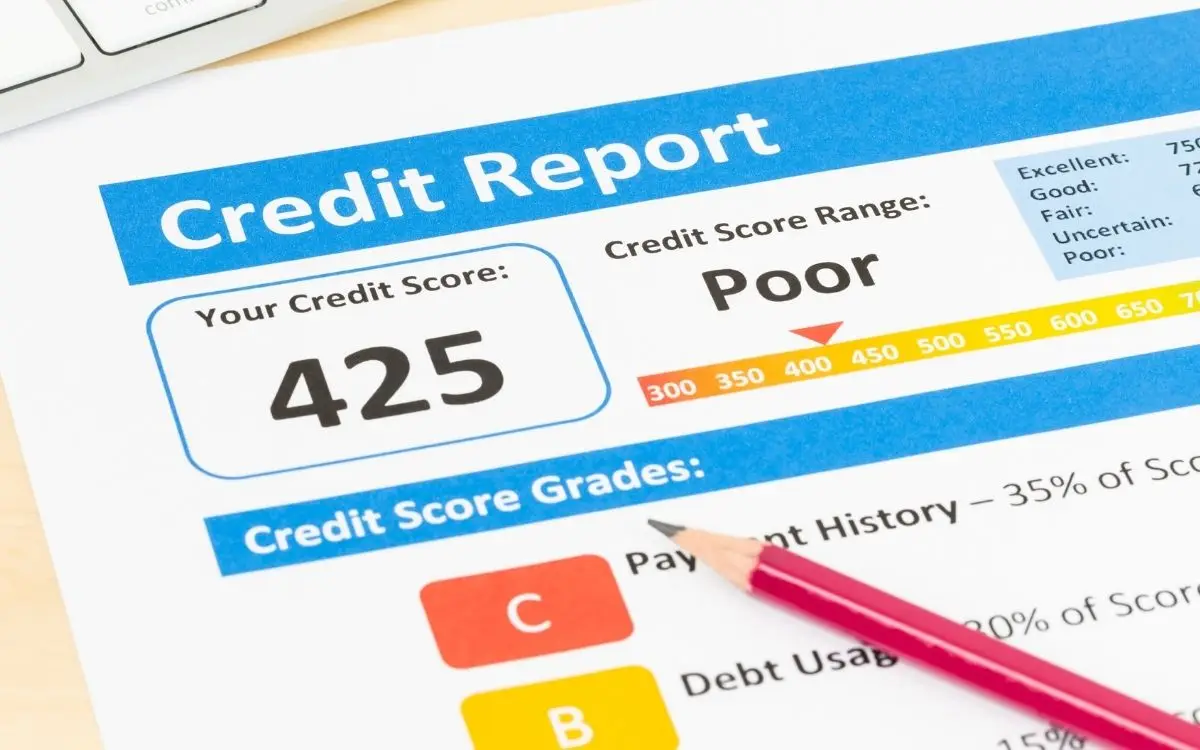
These credit reporting errors can significantly lower your credit score and affect your ability to obtain financing, rent a property, or pass background checks for employment purposes. Acting quickly is critical to protecting your credit history and financial future.
What a Police Report Actually Does
A police report serves as official documentation that you reported the identity theft to a law enforcement agency. It helps establish that the fraudulent accounts are not yours and supports your credit report dispute.
Documents Commonly Submitted with a Police Report
- FTC Identity Theft Report from the Federal Trade Commission
- Copy of your driver’s license
- Proof of identity
- Proof of address
- Supporting documents, such as bank account statements
Together, these documents strengthen your dispute, but they do not automatically require the credit bureaus to remove the fraudulent information.
Your Rights Under the Fair Credit Reporting Act and Section 605B
The Fair Credit Reporting Act gives identity theft victims powerful protections. Section 605B requires credit reporting agencies to block fraudulent information from your credit report when you provide proper documentation.
What Credit Bureaus Typically Require
- Police report
- FTC Identity Theft Report
- Proof of identity
- Proof of address
Once the credit bureaus receive sufficient documentation, they generally must block the fraudulent accounts within four business days. If they fail to do so, they may be violating your legal rights under federal consumer law.

Why Credit Bureaus Sometimes Refuse to Block Fraudulent Information
Even when you submit a police report and complete supporting documents, credit bureaus sometimes continue reporting fraudulent accounts. A denial does not necessarily mean your identity theft claim is invalid.
Common Reasons for Denial
- The bureau claims your documentation is incomplete
- The dispute is processed through an automated response system
- The bureau concludes the account was authorized
- Administrative mistakes prevent a proper review
When credit bureaus report fraudulent information, relying on incomplete or automated reviews, serious credit errors can remain on your credit report and continue to damage your credit score.
Learn More: Identity Theft Prevention Tips
What to Do When the Credit Bureaus Ignore Your Proof
If the credit bureaus refuse to block fraudulent accounts, you still have several options.
Steps You Can Take
- Send a detailed written dispute explaining the identity theft.
- Include all supporting documents, including your police report and FTC Identity Theft Report.
- Mail the dispute by certified mail to create a paper trail.
- File complaints with the Consumer Financial Protection Bureau, the Federal Trade Commission, and your state attorney general.
- Place a credit freeze (also called a security freeze) and use credit monitoring services.
Taking these steps strengthens your position and documents that you have done everything required under the dispute process.
When a Refusal to Block Fraudulent Information Becomes a Legal Claim
If a credit bureau continues reporting fraudulent accounts after receiving proper documentation, the issue may become a violation of the Fair Credit Reporting Act and Section 605B.
Potential Compensation
- Actual damages, such as denied credit or higher interest rates
- Emotional distress damages
- Punitive damages in appropriate cases
- Attorney’s fees
An FCRA lawsuit can force the correction of your credit report and provide compensation for the harm caused by the ongoing credit report errors.
How Fair Credit Attorneys Help Identity Theft Victims
At Fair Credit Attorneys, we help consumers challenge fraudulent accounts and enforce their legal rights when credit bureaus refuse to follow the law.
How We Assist Clients
- Review credit reports and supporting documents
- Analyze whether the bureaus violated federal law
- Communicate with credit bureaus and creditors
- File lawsuits when necessary
- Pursue compensation and attorney’s fees
Because federal law may require the credit reporting agencies to pay attorney’s fees, many clients can obtain legal help without paying up front.

Conclusion: A Police Report Is Only the Beginning
Filing a police report is a critical step after identity theft, but it does not always resolve the problem. Even with strong proof, credit bureaus may continue reporting fraudulent accounts and other incorrect information.
When that happens, you have important rights under federal law. If the bureaus refuse to block fraudulent information, you may be entitled to have the accounts removed and to recover damages and attorney’s fees.
If you are dealing with identity theft and the credit bureaus are ignoring your proof, Fair Credit Attorneys is here to help. Call (866) 381-6444 today for a free consultation and learn how we can protect your credit and pursue the compensation you deserve.
Frequently Asked Questions
Does a police report automatically remove fraudulent accounts from my credit report?
No. A police report is an important piece of evidence, but it does not automatically require the credit bureaus to remove fraudulent accounts. In most cases, you should also provide an FTC Identity Theft Report, proof of identity, and a written dispute. If the credit bureaus still refuse to block the information, you may have rights under the Fair Credit Reporting Act.
How do I dispute a credit report due to identity theft?
Start by obtaining your credit report and identifying all fraudulent accounts and credit report errors. Then submit a written dispute to the credit bureaus along with your police report, FTC Identity Theft Report, driver’s license, and proof of address. Sending the dispute by certified mail can help create a strong paper trail.
What is Section 605B of the Fair Credit Reporting Act?
Section 605B of the Fair Credit Reporting Act requires credit reporting agencies to block information that results from identity theft when consumers provide the required documentation. In many cases, the credit bureaus must block the fraudulent information within four business days after receiving sufficient proof.
What are the most common credit report errors caused by identity theft?
Identity theft often leads to:
- Fraudulent credit accounts
- Unauthorized credit inquiries
- Collection accounts
- Incorrect balances
- Negative tradelines
These errors can significantly lower your credit score and affect your ability to obtain loans, housing, and employment.
Do police get involved with credit card disputes?
Police generally do not resolve ordinary billing disputes, but they do play an important role in identity theft cases. Filing a police report with your local law enforcement agency creates official documentation that can support your dispute with creditors and credit bureaus.
Can I sue a credit bureau for reporting fraudulent information after identity theft?
Yes. If the credit bureaus continue reporting fraudulent accounts after receiving proper documentation, you may have grounds for a claim under the Fair Credit Reporting Act. Successful cases may result in correction of your credit report, compensation for damages, and payment of attorney’s fees.