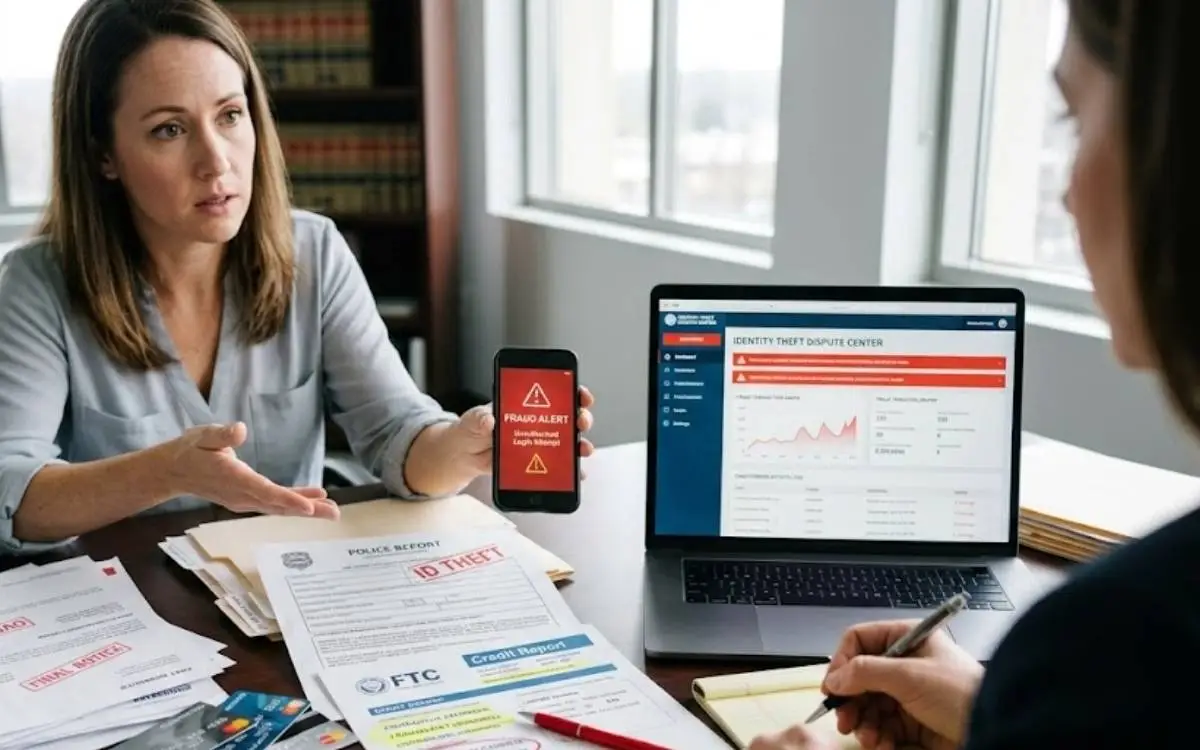
On This Page
In today’s digital world, identity theft is one of the most common financial crimes affecting consumers across the United States. Through data breaches, phishing scams, and misuse of personal information, identity thieves can cause serious financial harm, including damaged credit reports, fraudulent accounts, and drained bank accounts.
At Fair Credit Attorneys, we help clients recover after identity theft by disputing fraudulent activity, correcting credit reports, and enforcing consumer protection laws. However, prevention is always the strongest defense. These identity theft prevention tips can help you protect yourself before damage occurs.
What Is Identity Theft?
Identity theft occurs when someone illegally obtains and uses your personal information or financial information without permission. This may include your Social Security number, bank account details, credit card information, or other sensitive identifiers.
Once stolen, this information can be used by identity thieves to open credit accounts, commit financial fraud, or file fake tax returns in your name. In some cases, stolen identities are also used for criminal activity or sold on the dark web.
Common methods include:
- Phishing scams and phishing emails designed to steal login credentials
- Social engineering tactics that manipulate victims into sharing data
- Exposure from large-scale data breaches
- Theft of mail or documents containing financial information
- Weak or compromised online account security

Warning Signs of Identity Theft
Catching identity theft early can significantly reduce financial damage. Pay close attention to these warning signs:
Unusual Financial Activity
Unexpected withdrawals from your bank account, unfamiliar credit card charges, or small test transactions may signal fraud. Always review online banking activity regularly.
Credit Report Changes
Check your credit reports from major credit bureaus for:
- New credit accounts you didn’t open
- Unauthorized inquiries
- Sudden drops in credit score
These credit report errors may indicate that your credit file has been compromised.
Missing or Suspicious Mail
Mail theft can occur if someone files a change of address through the post office. Missing bills or receiving unexpected offers may indicate your mail is being intercepted.
Debt Collection or Tax Issues
Calls about debts you don’t recognize or notices from the Internal Revenue Service (IRS), including duplicate tax filings or a CP2000 series notice, can signal identity misuse.
Unexpected Credit Denials
Being denied credit despite a good financial history may indicate fraudulent accounts affecting your credit profile.
If you notice any of these signs, acting quickly is essential. A fraud alert, credit freeze, or report to the Federal Trade Commission can help limit further damage.
Identity Theft Prevention Tips
Preventing identity theft requires strong security habits and consistent monitoring of your financial and digital activity.
1. Protect Personal Information
Limit sharing your Social Security number, insurance data, or other personal identifiers. Only provide sensitive information to trusted institutions.
Avoid posting personal details on social media or entering information on unsecured websites.
2. Strengthen Online Security
Use strong password practices across all online accounts and avoid reusing passwords. Improve security by using:
- Two-factor authentication (multi-factor authentication)
- Trusted password managers
- Secure security questions that are not easily guessed
Make sure websites use secure connections and encryption before entering sensitive information.
3. Avoid Online Scams and Unsafe Networks
Be cautious of phishing scams, suspicious emails, and spam messages. Never click unknown links or download attachments from unverified sources.
Avoid entering sensitive data on public Wi-Fi unless using a virtual private network (VPN) for protection.
4. Monitor Financial Accounts and Credit Reports
Regularly check your credit reports, credit accounts, and bank activity. Look for suspicious purchases or unfamiliar activity.
You can also use credit monitoring services to track changes across all three major credit bureaus in real time.
5. Secure Physical Documents
Identity theft is not only digital. Protect yourself by:
- Using a cross-cut shredder for financial documents
- Securing your mailbox to prevent mail theft
- Safely disposing of old devices and documents containing sensitive data
6. Use Credit Freezes and Fraud Alerts
A credit freeze (or security freeze) restricts access to your credit file, making it harder for identity thieves to open new accounts in your name.
A fraud alert requires lenders to verify your identity before approving credit applications, adding another layer of protection.
Why Prevention Matters
Identity theft can go undetected for months, allowing criminals to open multiple accounts and damage your credit history. By following these identity theft prevention tips, you can significantly reduce your risk and protect your financial future.
What to Do if You Become a Victim of Identity Theft
Even with strong prevention habits, identity theft can still occur. If you notice suspicious activity on your credit reports, bank accounts, or online accounts, acting quickly is critical to limit financial damage and protect your identity.
1. Report Identity Theft to the Federal Trade Commission
The first step is to report the crime to the Federal Trade Commission (FTC) through IdentityTheft.gov. The FTC will help you create a recovery plan and generate an official Identity Theft Affidavit.
This affidavit is an important document that helps prove you are a victim of fraud when dealing with creditors, banks, and credit bureaus.
2. File a Police Report
You should also file a report with your local police department. A police report provides additional documentation that may be required when disputing fraudulent credit accounts, especially with financial institutions and credit reporting agencies.
3. Place a Fraud Alert or Credit Freeze
Contact one of the three major credit bureaus to place a fraud alert on your file. This requires lenders to take extra steps to verify your identity before opening new accounts.
For stronger protection, consider a credit freeze (also called a security freeze). This restricts access to your credit file entirely, making it much harder for identity thieves to open new credit accounts in your name.
4. Dispute Fraudulent Accounts and Charges
Once fraud is identified, contact each financial institution where unauthorized activity occurred. Request that fraudulent credit card, bank account, or loan accounts be closed immediately.
You should also dispute inaccurate information with the credit bureaus. Under the Fair Credit Reporting Act (FCRA), you have the right to challenge incorrect data and demand removal of fraudulent entries from your credit reports.
Keep copies of all communication, including dispute letters, account statements, and confirmation numbers.
5. Report Tax-Related Identity Theft
If your Social Security number has been misused for tax purposes, contact the Internal Revenue Service (IRS) immediately.
You may need to:
- File an Identity Theft Affidavit (Form 14039)
- Request an IP PIN to prevent future fraudulent filings
- Respond to notices, such as a CP2000 series notice, if issued in error
In some cases, the IRS may place additional monitoring on your account to prevent further misuse.
6. Monitor Your Credit and Financial Accounts
After reporting identity theft, ongoing monitoring is essential. Continue checking your credit reports, bank statements, and online banking activity regularly.
Consider enrolling in credit monitoring services to track changes across all three credit bureaus and receive alerts for suspicious activity, new credit accounts, or inquiries.
Learn More: What to Look for on Your Credit Report
7. Keep Detailed Records
Documenting every step of the recovery process is critical. Keep a file of:
- FTC Identity Theft Affidavit
- Police reports
- Letters sent to creditors and credit bureaus
- Emails, call logs, and dispute confirmations
This documentation can support your case if legal action or further disputes are needed.
How Fair Credit Attorneys Can Help
Recovering from identity theft can be overwhelming, especially when fraudulent accounts continue to appear on your credit reports or when creditors refuse to cooperate. That’s where legal support becomes essential.
At Fair Credit Attorneys, we help clients:
- Dispute fraudulent credit accounts and negative entries
- Communicate directly with credit bureaus and creditors
- Enforce rights under the Fair Credit Reporting Act (FCRA), Fair Debt Collection Practices Act (FDCPA), and Fair Credit Billing Act (FCBA)
- Challenge inaccurate or unverifiable information on your credit file
When necessary, we also take legal action against companies that fail to properly investigate disputes or violate consumer protection laws.
Our goal is to restore your financial standing and ensure your credit report reflects only accurate, verified information.
Learn More: Do I Need a Lawyer for Identity Theft?
Recovering Your Identity and Protecting Your Future
Once immediate fraud is addressed, long-term recovery is about rebuilding financial stability and preventing future incidents.
Continue practicing strong identity theft prevention tips, including:
- Monitoring credit reports regularly
- Using strong password practices and two-factor authentication
- Keeping financial documents secure
- Watching for new warning signs of fraud
You may also consider ongoing credit monitoring services or dark web monitoring tools to detect future exposure of your personal information.
Final Thoughts
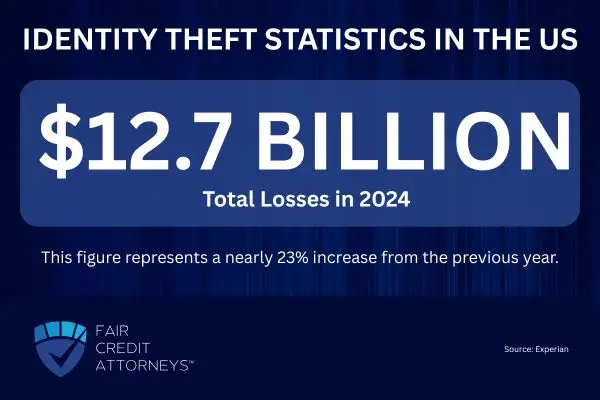
Identity theft can have serious and long-lasting financial consequences, but you are not powerless. With quick action, proper documentation, and the right legal support, you can recover your identity and restore your credit.
At Fair Credit Attorneys, we are committed to helping victims take back control. If you believe your identity has been stolen or your credit reports contain fraudulent information, contact us today for a free consultation and let us help you protect your financial future.
FAQs About Identity Theft and Prevention
What should I do immediately if I become a victim of identity theft?
If you become a victim of identity theft, act quickly to limit the damage. Start by reporting the theft to the Federal Trade Commission through IdentityTheft.gov and create a recovery plan. You should also place a fraud alert or credit freeze with the credit bureaus, contact affected financial institutions, and dispute any fraudulent accounts or charges. Filing a police report and keeping detailed records will help support your case.
How can I prevent identity theft from happening?
Preventing identity theft starts with protecting your personal information and strengthening your online security. Use strong, unique passwords, enable two-factor authentication, and avoid sharing sensitive data unless necessary. Regularly monitor your credit reports and financial accounts for suspicious activity, and consider using credit monitoring services, fraud alerts, or a security freeze for added protection.
What are the most common signs of identity theft?
Common signs of identity theft include unfamiliar charges, new credit accounts you did not open, unauthorized credit inquiries, and sudden drops in your credit score. You may also receive calls from debt collectors about debts you do not owe or notices related to tax filings you did not submit. These warning signs often indicate your personal or financial information has been compromised.
How do I dispute fraudulent accounts on my credit report?
To dispute fraudulent accounts, contact the credit bureaus and submit a detailed dispute explaining the incorrect information. Include supporting documents such as account statements and your Identity Theft Affidavit. Under the Fair Credit Reporting Act, credit reporting agencies must investigate and remove inaccurate or unverifiable information from your credit reports.