On This Page
You check your credit report and find a credit card account you never opened. Do you need a lawyer? You can start the cleanup on your own, but identity theft rarely ends with one report. Fraudulent accounts often stay on your credit, come back after a dispute, or cost you a loan, an apartment, or a job. When that happens, an attorney can hold the responsible companies accountable under federal law.
Fair Credit Attorneys represents identity theft victims whose credit reports stay wrong after they ask for help. If you’ve tried to clear up your report and nothing has changed, contact our team for a free case review to learn your options.
First Steps to Take Right Away

Federal law gives you several free tools to protect yourself right away. Start here, and keep copies of everything.
- Report the theft to the Federal Trade Commission (FTC). The FTC’s IdentityTheft.gov site creates an official Identity Theft Report and a personal recovery plan.
- File a police report. Some financial institutions and credit bureaus ask for one. Local law enforcement agencies can also document the crime.
- Place a fraud alert or credit freeze. These make it harder for a thief to open new accounts in your name.
- Pull your credit reports from all three credit bureaus. Look for accounts, inquiries, and addresses you don’t recognize.
- Contact your bank and card issuers. Close compromised accounts and dispute fraudulent charges.
- Ask the credit bureaus to block the fraudulent information. Send your Identity Theft Report along with proof of your identity.
Fraud Alert vs. Credit Freeze vs. Credit Monitoring
| Tool | What It Does | Cost | Best For |
|---|---|---|---|
| Fraud alert | Tells lenders to verify your identity before they open new credit | Free | A quick first step after you spot fraud |
| Credit freeze (security freeze) | Blocks new creditors from seeing your report until you lift the freeze | Free | Stronger protection against new accounts |
| Credit monitoring | Sends you alerts when something changes on your credit report | Free or paid | Spotting new fraud early |
These steps are a starting point, not a finish line.
Why Many Victims Still Need a Lawyer
Doing everything right doesn’t mean the companies involved will do the same. Victims who handle identity theft alone often run into the same walls:
- Automated disputes. Credit bureaus often process disputes through automated systems and simply “verify” the fraudulent account with the lender.
- No real leverage. A bureau or lender has little reason to act fast when a consumer writes in alone.
- Lost compensation. Most victims don’t know the companies that mishandle their report may owe them damages, so they never pursue them.
- Costly mistakes. A weak dispute letter or a missing document can slow everything down.
An attorney changes that dynamic. Companies tend to take a dispute far more seriously when a law firm that sues for FCRA violations is on the other side.
Signs You Need an Identity Theft Lawyer
The Fair Credit Reporting Act places real duties on the companies that handle your credit information. When they ignore those duties, an attorney can step in. Watch for these warning signs:
- The credit bureaus won’t block the fraudulent accounts, even after you sent your Identity Theft Report.
- Deleted accounts come back. A fraudulent credit card account disappears, then shows up again months later.
- A lender keeps reporting the debt after you told it the account came from identity theft.
- Debt collectors keep calling about debts that aren’t yours.
- You got denied for a mortgage, credit card, car loan, apartment, or job because of the fraudulent accounts.
- Your report includes someone else’s information. Sometimes a “fraud” problem turns out to be a mixed credit file, where the bureau merged your file with another person’s.
When a Lawyer Can Help
| Situation | Can You Handle It Alone? | Should You Talk to an FCRA Lawyer? |
|---|---|---|
| You just discovered fraud | Start the first steps | Yes, a free review can help you avoid early mistakes |
| A bureau “verified” the fraudulent account | Unlikely | Yes |
| Bureaus rejected your dispute | Unlikely | Yes |
| Fraudulent accounts reappeared | Unlikely | Yes |
| You lost credit, housing, or a job offer | No | Yes |
| Collectors keep chasing a debt that isn’t yours | Unlikely | Yes |
How the Fair Credit Reporting Act Protects Identity Theft Victims
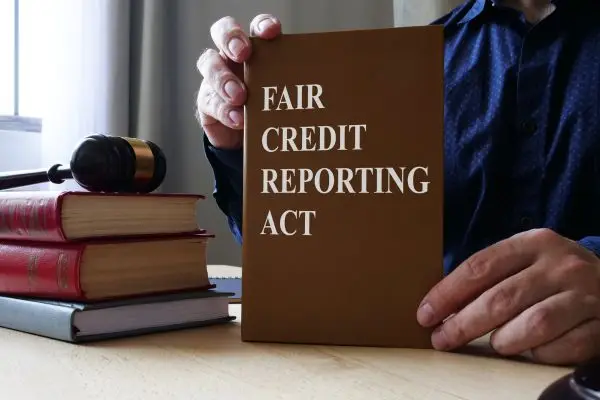
The Fair Credit Reporting Act is a federal law that governs how credit bureaus and the companies that report to them, called “furnishers,” handle your information. It gives identity theft victims specific rights, including the right to:
- Place fraud alerts on your credit file
- Freeze your credit for free
- Get free copies of your credit reports
- Block information that resulted from identity theft
- Dispute inaccurate information and have the bureau reinvestigate it
- Learn why a lender turned you down through an adverse action notice
When a credit bureau or furnisher fails to follow these rules, you may have the right to sue. Depending on the facts, you may recover damages for harm like a lost loan, higher interest rates, or emotional distress. The amount depends on your case and on whether the company acted willfully or negligently.
Common Types of Identity Theft That Hit Your Credit Report
Thieves steal personal identifying information in many ways, including phishing scams, social engineering scams, data breaches, skimming devices, and stolen login credentials. Lost wallets with Social Security cards or driver’s licenses also put people at risk.
Here’s how the most common types of identity theft can show up on your credit report.
| Type | What It Looks Like | Possible Credit Report Impact |
|---|---|---|
| Credit card fraud | A thief opens new cards or runs up fraudulent charges | New accounts, high balances, late payments |
| Bank account fraud | A thief uses your bank account information to open accounts or write checks | Collection accounts, negative banking records |
| Social Security identity theft | A thief uses your Social Security number to apply for credit | Accounts and addresses you don’t recognize |
| Credit union identity theft | A thief opens loans or cards at a credit union in your name | New loans and hard inquiries |
| Medical identity theft | A thief uses your medical information or insurance to get care | Unpaid medical bills sent to collections |
| Tax identity theft | A thief files a return to steal your tax refunds | Usually IRS issues, sometimes paired with other financial identity theft |
Driver’s license numbers often get stolen along with other data, too. That’s why you should review every section of your report, not just the account list.
What an FCRA Lawyer Can Do for You

An attorney who handles FCRA cases does more than send another dispute letter. At Fair Credit Attorneys, we can:
- Review your credit reports, dispute history, and denial letters
- Identify which credit bureaus or furnishers broke the law
- Deal with the companies on your behalf so you don’t have to
- Build a record of the harm the errors caused you
- File a lawsuit against the responsible companies when the facts support it
Our identity theft attorneys focus on holding big institutions accountable. You didn’t cause this problem, and you shouldn’t have to carry it alone.
How Much Does an Identity Theft Lawyer Cost?
Cost worries keep many victims from calling a lawyer. At Fair Credit Attorneys, we handle FCRA cases on a contingency fee basis. That means you pay no upfront cost and no out-of-pocket fees.
The FCRA also allows courts to order the company that broke the law to pay your attorney fees. So holding a credit bureau accountable doesn’t have to drain your savings.
Get Help From Fair Credit Attorneys
Identity theft is stressful enough without fighting credit bureaus that won’t listen. If you’ve done everything right and fraudulent accounts still drag down your credit, the law may be on your side.
Fair Credit Attorneys represents identity theft victims across the country. Schedule your free consultation today, or call us at (866) 381-6444. We’ll review your situation and explain your options in plain language.
Frequently Asked Questions
You can file the reports yourself through IdentityTheft.gov and your local police. A lawyer becomes important when the bureaus or lenders don’t correct your report afterward, which happens often.
You may be able to. If a bureau fails to block identity theft information after you send the right documents, you may have a claim under the Fair Credit Reporting Act.
No. A freeze stops new accounts, but you must dispute or block existing fraudulent accounts with each credit bureau.
Identity theft means someone used your information on purpose. A mixed file happens when a bureau merges your file with someone else’s, and an FCRA attorney can help tell the two apart.