On This Page
Incorrect information on my credit report is more common than many people realize, and it can have serious consequences if it is not addressed quickly. Credit report errors may result from simple mistakes, data entry issues, or even identity theft.
Regardless of the cause, inaccurate credit-related information can affect your financial opportunities and should be handled as soon as possible.
Why Incorrect Information on My Credit Report Can Be a Serious Problem
Your credit report is used to evaluate your financial reliability in many situations, including applying for credit cards, an auto loan, or even trying to rent a property. If your credit report contains errors, it can negatively impact your credit score and make it harder to get approved for financing. In some cases, it may lead to higher interest rates or unfavorable insurance quotes.
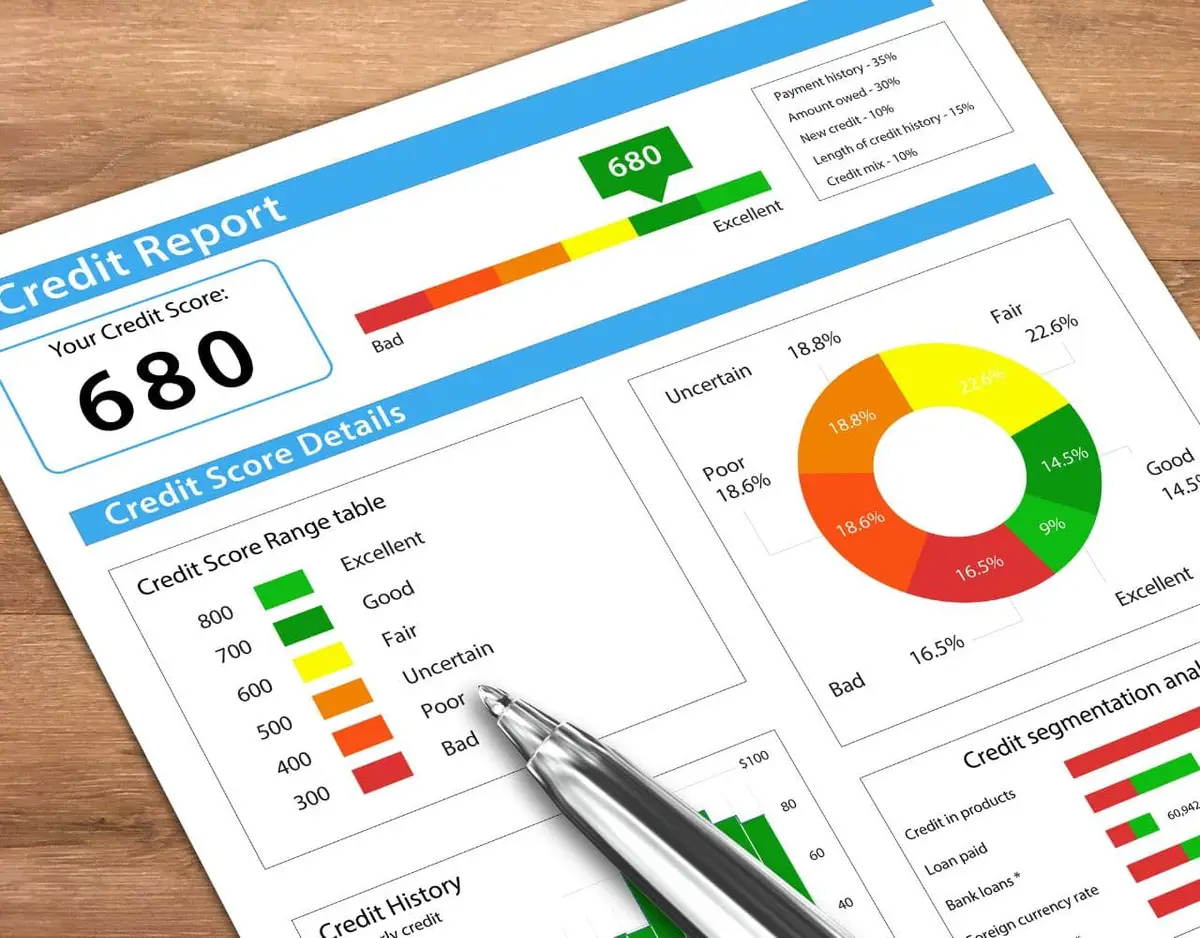
Even small inaccuracies, such as incorrect account information or a misreported payment, can lower your FICO® Score and affect your overall credit history. Because lenders rely heavily on this data during a credit application, incorrect information can cost you money or limit your options. That is why it is important to review your credit report and take action when issues arise.
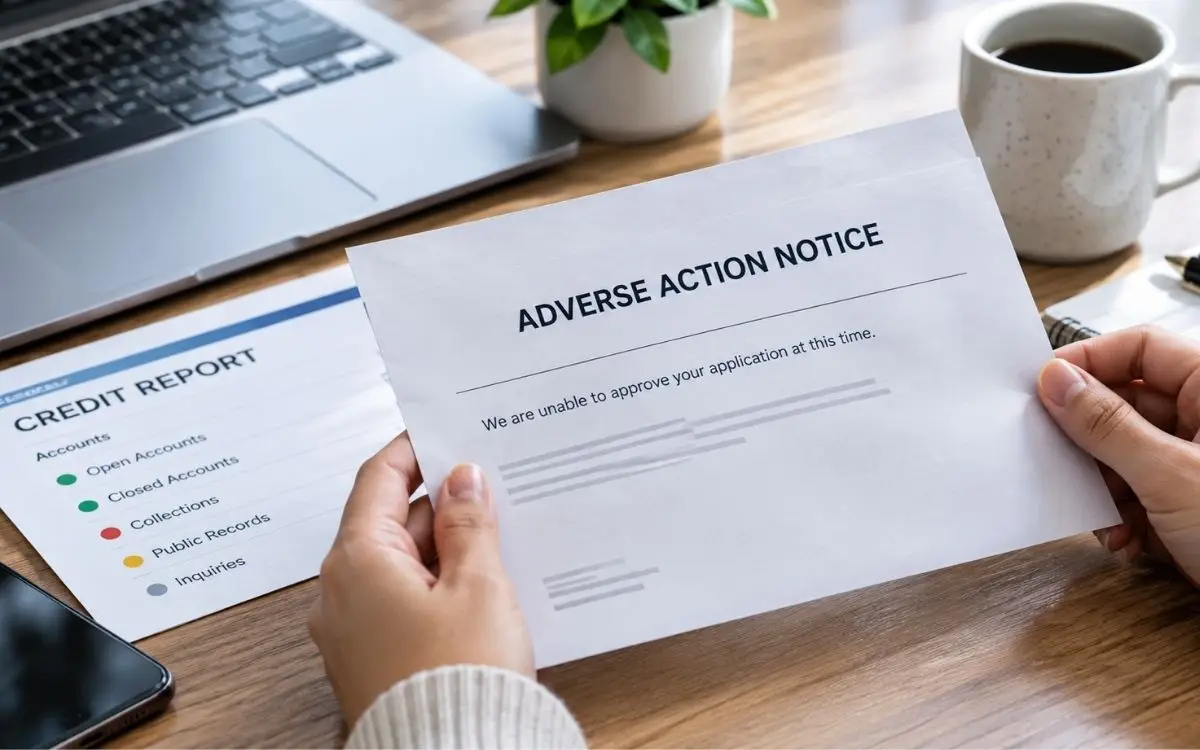
Learn More: Credit Card Denial Due to Credit Error
Common Types of Incorrect Information Found on Credit Reports
Several types of credit report errors frequently appear. One of the most serious involves credit accounts that do not belong to you, often due to identity theft or identity errors. In other cases, account information may be reported incorrectly, such as the wrong balance or payment status.
A mixed file is another common issue, where your credit file is confused with someone who has a similar full name or Social Security Number. This can result in inaccurate credit accounts or public records appearing on your report. Duplicate entries and outdated negative items can also damage your credit scores.
Errors in personal information, such as your full name or identifying details, may seem minor but can lead to larger reporting issues over time. These problems can affect how your credit history is tracked across different credit bureaus.
What Causes Incorrect Information on My Credit Report?
Incorrect information on a credit report can happen for several reasons, many of which are outside your control. Data entry errors by a creditor or a credit reporting company are a common cause. Even a small mistake can lead to inaccurate account information being shared with multiple credit bureaus.
Identity theft and credit fraud are also major contributors. Identity thieves may open new credit accounts or misuse existing ones, leaving behind damaging information in your credit file. Additionally, a mixed file can occur when a credit reporting agency combines your information with that of another person who has similar identifying details.
Communication issues between lenders and a consumer reporting agency can also result in outdated or incorrect data being reported.
How to Check for Incorrect Information on My Credit Report
To catch problems early, you should regularly review your full credit report from each credit bureau. Because each credit reporting agency may have slightly different information, it is important to check your entire credit file rather than relying on just one report.
As you review your consumer report, look closely at your credit accounts, balances, payment history, and any public records. Confirm that your personal information, including your full name, is accurate. Watch for unfamiliar accounts, duplicate entries, or signs of identity theft.
Using credit monitoring or ID theft protection tools can help you stay informed about changes to your credit-related information and catch errors before they worsen.
What Should I Do If I Find Incorrect Information on My Credit Report?
If you find incorrect information on my credit report, taking prompt and organized action is essential.
Gather Supporting Documentation
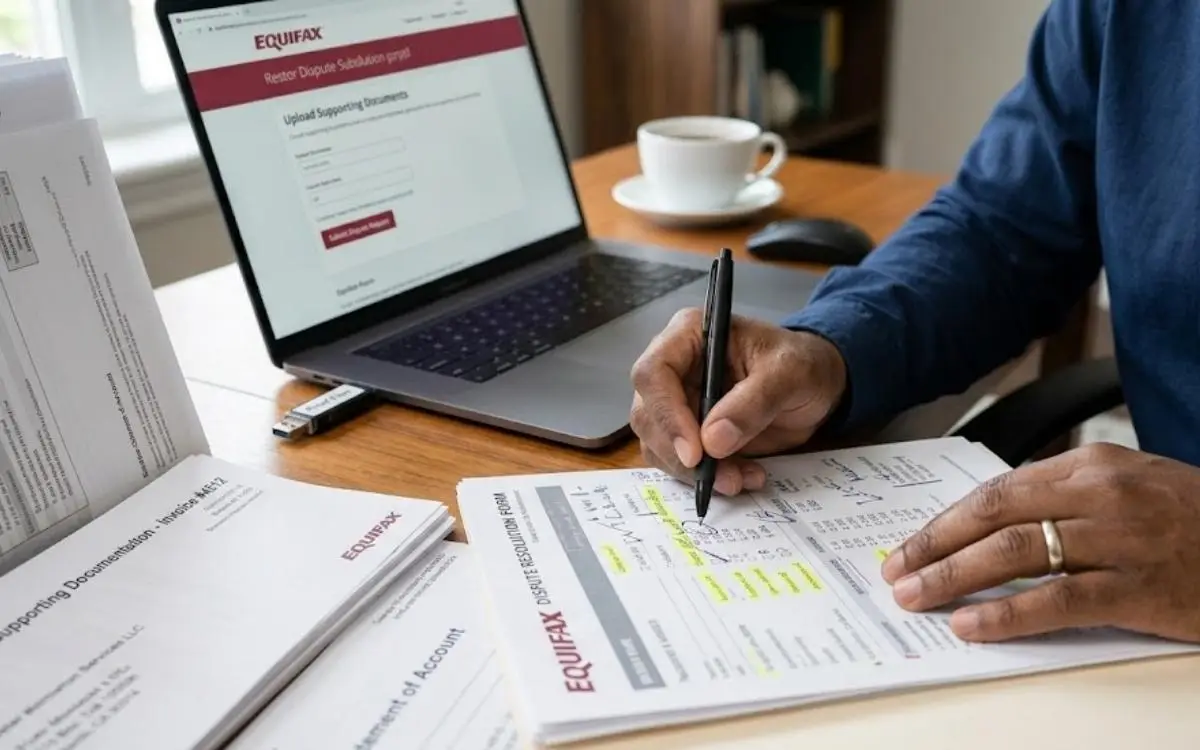
Start by collecting documents that support your claim, such as bank statements, utility bills, court documents, or other account information.
Dispute the Error with the Credit Bureaus
File a credit report dispute with the appropriate credit bureaus through their dispute center or by sending a dispute letter. Clearly explain the issue, include copies of your documentation, and keep your credit report confirmation number. A dispute investigation is typically completed within 30 days.
Contact the Company Reporting the Error
You should also contact the credit reporting company responsible for the inaccurate information. Reporting credit report errors directly to the source can help resolve the issue faster.
Monitor the Investigation and Keep Records
Check back on your dispute investigation and keep records of all communications, including your letter disputing the error. Staying organized will help if further action is needed.
What If the Incorrect Information Is Not Corrected?
If a credit reporting agency does not resolve the issue after an investigation into your dispute, you can submit a follow-up credit report dispute with additional evidence. Strengthening your documentation and clearly explaining the error can improve your chances of success.
You may also escalate the matter by filing a complaint with the Consumer Financial Protection Bureau or the Federal Trade Commission. These agencies review complaints and may prompt further action. Because unresolved credit report errors can continue to damage your credit score, it is important to stay persistent when disputing the error.
Your Legal Rights if You Have Incorrect Information on Your Credit Report
The Fair Credit Reporting Act requires credit bureaus and any Consumer Reporting Agency to ensure that your consumer report is accurate. When you submit a credit report dispute, they must conduct a reasonable investigation and correct any inaccurate information.
If they fail to comply, you may be entitled to statutory damages, punitive damages, and compensation for emotional distress. In some cases, you can also recover legal fees. These protections give consumers a path to hold a credit reporting company accountable when Credit Report Disputes are mishandled.
How to Prevent Incorrect Information on Your Credit Report in the Future
You can reduce the risk of future credit report errors by reviewing your credit file regularly and using credit monitoring tools. Setting up a fraud alert or security freeze can also help protect against identity theft and credit fraud.
It is also important to protect your personal information through strong online security habits. Monitoring credit inquiries and keeping organized financial records can help you catch problems early. If needed, credit counseling or Debt Management strategies may also support long-term financial stability.
When to Contact a Credit Report Attorney
If incorrect information on your credit report is not resolved, speaking with a credit report lawyer may be the next step. This is especially important if the error has affected a credit application, auto loan, or other financial opportunity.
An attorney can help manage the dispute process and determine whether legal action is appropriate. Many cases allow for recovery of damages and legal fees, making it easier to pursue a claim without upfront costs.

Conclusion: Take Action if You Notice Incorrect Information on Your Credit Report
Incorrect information on my credit report should never be ignored. Even minor credit report errors can affect your credit score, limit your financial options, and cost you money over time. By reviewing your full credit report, disputing the error, and following up as needed, you can take control of your credit history.
If the issue is not resolved, understanding your rights and seeking legal help may be necessary. Taking action early is the best way to protect your credit and your financial future. If you need help correcting credit report errors or holding a credit reporting agency accountable, call (866) 381-6444 today to discuss your situation and learn about your options.
Frequently Asked Questions
How do I remove the wrong information from my credit report?
To remove incorrect information on your credit report, you need to file a credit report dispute with the credit bureaus reporting the error. You can do this through their online dispute center or by sending a dispute letter. Be sure to include supporting documentation, such as bank statements or account information, to show why the item is inaccurate. The credit reporting agency will typically complete a dispute investigation within 30 days and either correct or remove the incorrect information.
What if my personal information is wrong on my credit report?
If your personal information, such as your full name or Social Security Number, is incorrect, you should dispute it with the credit bureaus as soon as possible. Errors in personal information can sometimes lead to a mixed file, where your credit file is confused with someone else’s. This can result in inaccurate credit accounts or credit history being reported. Correcting these identity errors early helps prevent more serious credit report errors from developing.
What are the most common errors on a credit report?
Common credit report errors include incorrect account information, duplicate credit accounts, outdated negative items, and accounts that do not belong to you due to identity theft or credit fraud. Other issues include inaccurate balances, misreported late payments, and errors in public records. These types of incorrect information on a credit report can negatively impact your credit score and should be addressed quickly by disputing the error.