On This Page
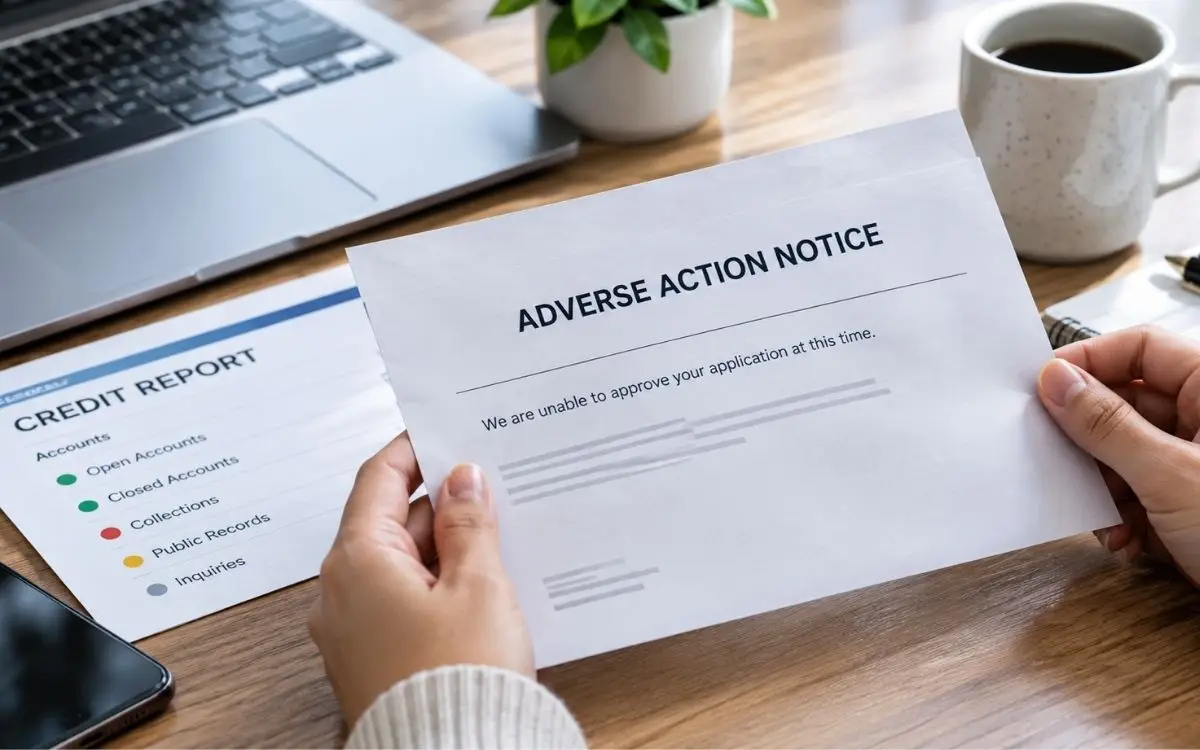
Credit fraud and identity theft can turn your life upside down. Whether someone opened accounts in your name or inaccurate information is damaging your credit report and credit score, these problems can have lasting financial consequences. Fortunately, the Fair Credit Reporting Act (FCRA), also known as the Credit Reporting Act, gives consumers important rights and protections.
At Fair Credit Attorneys, we help people fight credit reporting errors, hold credit bureaus accountable, and protect their rights under the Fair Credit Reporting Act. If credit fraud is affecting your life, contact Fair Credit Attorneys today for a free consultation and learn how we can help.
What Is Credit Fraud?

Credit fraud happens when someone uses your personal information without permission. In many cases, criminals use a stolen Social Security number to open accounts, apply for loans, or make unauthorized purchases. These fraudulent activities can affect your finances, your credit rating, and your future.
Some common examples of credit fraud include:
- New accounts opened in your name.
- Unauthorized charges involving credit card companies.
- Loans or lines of credit you never requested.
- Identity theft involving your personal information.
- Debt collection accounts that do not belong to you.
- Mixed credit files or mixed reports containing another person’s information.
Because so much of modern life depends on consumer credit information, even one fraudulent account can create major problems.
Warning Signs of Credit Fraud
Credit fraud is not always obvious. Sometimes, consumers do not discover the problem until they are denied a loan or notice a drop in their credit scores.
Warning signs include:
- Unknown accounts on your credit report.
- Sudden changes to your credit score.
- Collection notices for debts you do not recognize.
- Unexpected changes to your credit limit.
- Strange inquiries on your credit file.
- Background check errors or tenant screening errors.
- Medical bills or medical debt that do not belong to you.
If you notice any of these signs, acting quickly can help limit the damage.
How Credit Fraud Can Affect Your Life
Many people think credit fraud only affects their finances. In reality, it can impact almost every part of life.
Credit fraud and credit reporting errors may result in:
- Lower credit scores.
- Higher interest rates.
- Mortgage or loan denials.
- Employment problems caused by background check errors.
- Housing issues involving tenant screening errors.
- Collection actions and debt collection abuse.
- Stress, anxiety, and frustration.
Mixed credit files are another serious problem. Sometimes, a consumer reporting agency mistakenly combines your information with another person’s records. These mixed reports may contain accounts, balances, or even criminal convictions that do not belong to you.
These mistakes can affect:
- Your credit rating.
- Account diversity.
- Access to insurance and financing.
- Eligibility for debt settlement programs.
- Overall financial opportunities.
Understanding the Fair Credit Reporting Act
The Fair Credit Reporting Act is a federal law that provides important consumer protection. It regulates the credit reporting industry and requires credit reporting agencies to maintain accurate consumer information.
The law applies to:
- Credit bureaus.
- Credit reporting agencies.
- Any consumer reporting agency.
- Credit card companies.
- Debt collectors.
- Employers performing a background check.
- Landlords using tenant screening reports.
The purpose of the Fair Credit Reporting Act is simple: consumers deserve accurate information and fair treatment.
Your Consumer Rights Under the FCRA
The Fair Credit Reporting Act gives consumers several important rights.
These include:
- Access to their credit report.
- The right to challenge inaccurate information.
- Protection against improper background checks.
- The right to expect a reasonable investigation.
- The ability to seek compensation when violations occur.
These rights help ensure fairness and accountability throughout the credit reporting industry.
What to Do if You Discover Credit Fraud
Discovering credit fraud can feel overwhelming, but taking the right steps can help protect your finances and your rights.
Review Your Credit Reports
Start by carefully reviewing your reports for:
- Accounts you do not recognize.
- Duplicate entries.
- Misreported information.
- Incorrect balances.
- Medical debt that does not belong to you.
- Collection accounts reported in error.
Gather Evidence
Helpful documents may include:
- Account statements.
- Identity theft reports.
- Police reports.
- Medical bills.
- Collection notices.
- Previous correspondence regarding credit disputes.
Place a Fraud Alert
A fraud alert can help prevent additional fraudulent activities and notify lenders that your identity may have been compromised.
Begin the Credit Report Dispute Process
Disputing inaccuracies is one of the most important rights consumers have under the Fair Credit Reporting Act.
The credit dispute process generally includes:
- Identifying the problem.
- Filing a credit report dispute.
- Providing supporting documents.
- Allowing the credit bureaus to investigate.
- Reviewing the results of the dispute resolution process.
Unfortunately, the dispute process does not always work the way it should. Credit reporting agencies sometimes fail to conduct a reasonable investigation or continue reporting inaccurate information even after receiving evidence. In those situations, consumers may need legal help.
Common Credit Reporting Errors Caused by Credit Fraud
Even after reporting identity theft and beginning the dispute process, many consumers continue to experience problems. In some cases, credit bureaus or other companies fail to correct inaccurate information, causing long-term damage to a person’s credit score and financial future.
Some of the most common credit report errors caused by credit fraud include:
- Accounts that do not belong to you.
- Incorrect balances or payment histories.
- Duplicate accounts.
- Medical debt that resulted from someone else’s actions.
- Mixed credit files and mixed reports involving another consumer.
- Background check errors and tenant screening errors.
- Misreported information that remains after a dispute.
- Collection accounts connected to fraudulent debts.
These mistakes can affect your credit rating and make it harder to qualify for loans, housing, or employment.
Why Credit Bureaus Don’t Always Fix Errors
Many people assume that filing a dispute automatically removes inaccurate information. Unfortunately, that is not always the case.
In many Fair Credit Reporting Act cases, we see credit reporting agencies:
- Fail to conduct a reasonable investigation.
- Ignore documents provided during the dispute process.
- Continue reporting inaccurate consumer information.
- Mix one person’s credit file with another person’s records.
- Fail to correct mistakes after receiving proof of identity theft.
When these problems continue, consumers may have legal rights under the Fair Credit Reporting Act.
Other Laws That Protect Consumers
The Fair Credit Reporting Act is one of several laws that provide consumer protection. Depending on the circumstances, other federal laws may also apply.
Fair Debt Collection Practices Act
The Fair Debt Collection Practices Act protects consumers from debt collection abuse and unfair collection tactics.
Debt collectors cannot:
- Harass or threaten consumers.
- Make false statements about debts.
- Attempt to collect debts that do not belong to you.
- Use deceptive practices to pressure consumers into paying.
Fair Credit Billing Act
The Fair Credit Billing Act helps consumers address billing errors involving credit card companies. This law provides important protections against unauthorized charges and account mistakes.
Credit Repair Organizations Act
The Credit Repair Organizations Act helps protect consumers from deceptive companies that promise unrealistic results. It regulates credit repair businesses and promotes honesty within the industry.
Consumer Financial Protection Bureau and Federal Trade Commission
The Consumer Financial Protection Bureau and the Federal Trade Commission enforce many consumer protection laws and provide valuable resources for consumers dealing with identity theft, debt collection, and credit reporting errors.
Learn More: What To Know About Identity Theft
How FCRA Attorneys Can Help

Trying to fix the damage caused by credit fraud can be frustrating and time-consuming. We understand that many people spend months going through the dispute resolution process without getting results.
At Fair Credit Attorneys, our FCRA attorneys help consumers by:
- Reviewing credit reports and consumer credit information.
- Investigating inaccurate consumer information.
- Identifying violations of the Fair Credit Reporting Act.
- Handling credit disputes and the credit dispute process.
- Working with credit reporting agencies and creditors.
- Addressing mixed credit files, mixed reports, and background check errors.
- Pursuing claims involving identity theft and fraudulent activities.
We work to hold companies accountable and help our clients move forward with confidence.
What Compensation May Be Available?
Consumers who prevail in Fair Credit Reporting Act cases may be entitled to compensation.
Depending on the circumstances, damages may include:
- Actual financial losses.
- Compensation for emotional distress.
- Statutory damages.
- Attorney’s fees and court costs.
These remedies help ensure that companies respect consumers’ rights and take their responsibilities seriously.
Why Acting Quickly Matters
Credit fraud rarely goes away on its own. The longer inaccurate information remains on your credit report, the greater the potential damage to your credit score and financial future.
Taking prompt action can help:
- Prevent additional fraudulent activities.
- Preserve important evidence.
- Improve the chances of successful dispute resolution.
- Reduce long-term damage to your credit rating.
- Protect your financial future.
Contact Fair Credit Attorneys Today
Credit fraud can affect nearly every aspect of your life. From lower credit scores to collection actions and background check errors, the consequences can be overwhelming. Fortunately, you do not have to face these challenges alone.
At Fair Credit Attorneys, we help consumers fight identity theft, credit report errors, debt collection abuse, and other violations of the Fair Credit Reporting Act. Our experienced FCRA attorneys understand how the credit reporting industry works, and we are committed to protecting consumers and holding companies accountable when they fail to follow the law.
If credit fraud or inaccurate information is hurting your finances and peace of mind, contact Fair Credit Attorneys today for a free consultation. We can review your situation, explain your rights, and help you pursue the compensation you deserve.
Frequently Asked Questions
Can I Sue Over Credit Report Errors?
Yes. If credit bureaus or another consumer reporting agency fail to correct inaccurate information after a dispute, you may have legal options under the Fair Credit Reporting Act.
Can Credit Fraud Affect Employment?
Yes. Background check errors and incorrect reports involving criminal convictions can affect employment opportunities and housing applications.
How Long Does the Dispute Resolution Process Take?
Every case is different. Some credit disputes are resolved quickly, while others require legal action. We help clients navigate the process and fight for fair results.
What if Debt Collectors Are Contacting Me About Fraudulent Accounts?
Consumers are protected by both the Fair Credit Reporting Act and the Fair Debt Collection Practices Act. Debt collectors cannot engage in debt collection abuse or attempt to collect debts that do not belong to you.