On This Page
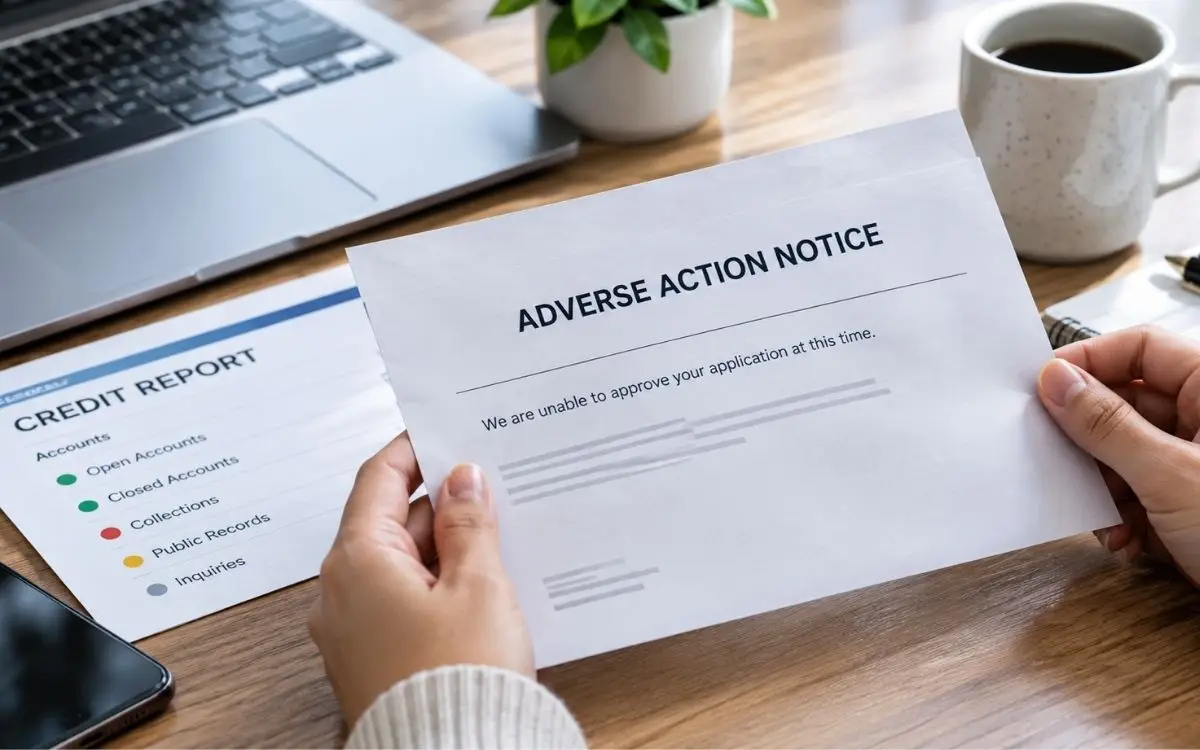
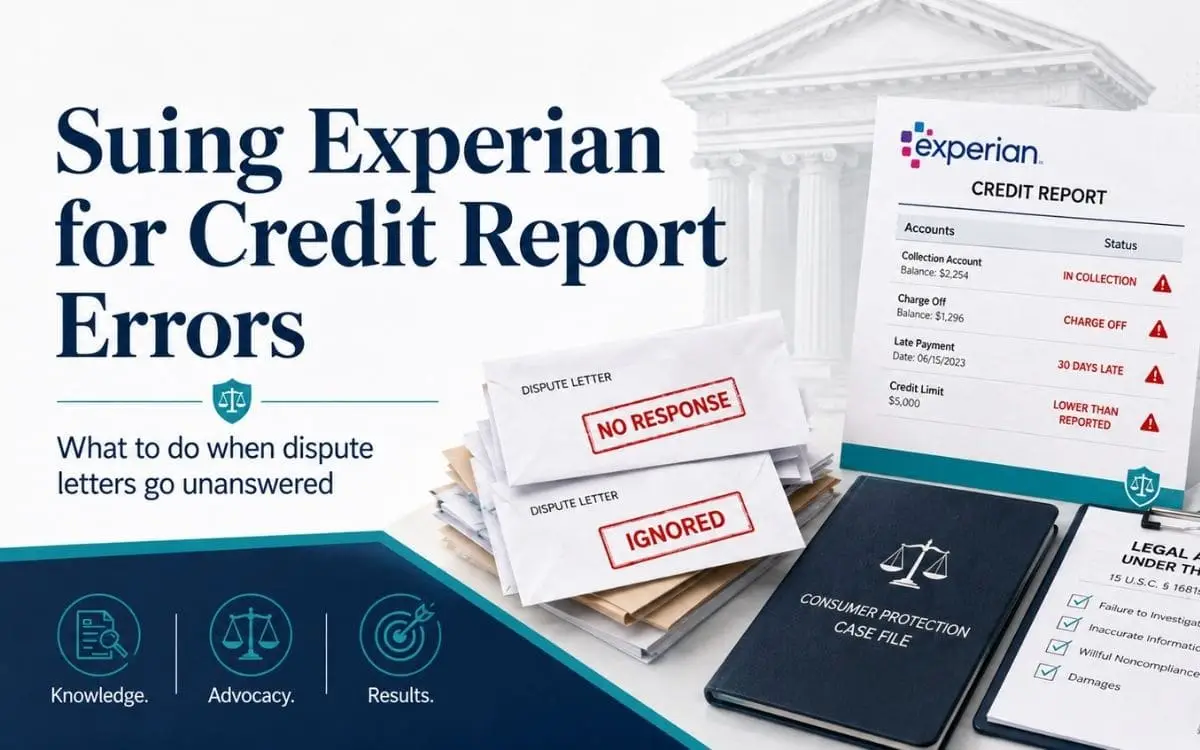
You disputed an error with Experian. Maybe you did it twice. And the item is still sitting on your report, the same as before, as if you never said a word. If you are wondering whether you can actually sue Experian over this, the answer is often yes, and the Fair Credit Reporting Act (FCRA) is the federal law that makes it possible.
Fair Credit Attorneys is a nationwide FCRA litigation firm. We do not charge anything upfront, so call us today for a free case review.

Can You Sue Experian?
Yes, in the right circumstances. Experian is a consumer reporting agency under the FCRA, which means it has specific legal duties: investigate disputes, verify information before reporting it, and correct or delete what it cannot verify. When Experian skips one of those duties, that failure can become the basis for a lawsuit.
Not every disagreement turns into a case. Plenty of errors get fixed through the standard dispute process. But when you have already disputed an error, given Experian a fair chance to fix it, and the mistake is still there, you may have grounds for legal action rather than another round of paperwork.
Related: Learn more about
What Counts as an Experian Reporting Error
Credit report errors take a lot of forms. Some of the most common ones we see include:
- Accounts that belong to someone else, often from a mixed credit file
- Balances or payment histories that do not match your own records
- Hard inquiries or new credit accounts you never authorized
- Outdated payments and collection accounts that should have aged off your report
- The same debt reported twice, once by the original creditor and again by a collector
- Incorrect personal information, such as a wrong address linked to someone else’s file
- Fraudulent accounts tied to identity theft
Furnishers, meaning the banks, lenders, and collection agencies that send account data to Experian, typically report that data using an industry-standard format called Metro 2. A coding mistake on the furnisher’s end is a common source of the error that ends up on your report, even though Experian is still responsible for catching it.
Your Rights When Experian Reports It Wrong
The FCRA gives you real, enforceable rights, not just a suggestion box. Under federal law, you have the right to:
- Dispute any information in your file that you believe is inaccurate or incomplete, free of charge
- Have Experian conduct a reasonable investigation into your dispute, generally within 30 days of receiving it, extended by up to 15 additional days if you submit new supporting evidence during that window
- Have information deleted or corrected if Experian cannot verify it
- Be free of “obsolete” negative items, meaning most adverse information older than seven years, or ten years for bankruptcies
A response to your dispute that just restates the original entry, without any real verification process behind it, does not satisfy Experian’s legal obligation. The Consumer Financial Protection Bureau oversees compliance with these rules alongside the courts.
Contact: FCA offers free consultations for
cases
Filing a Dispute With the Experian Dispute Center First
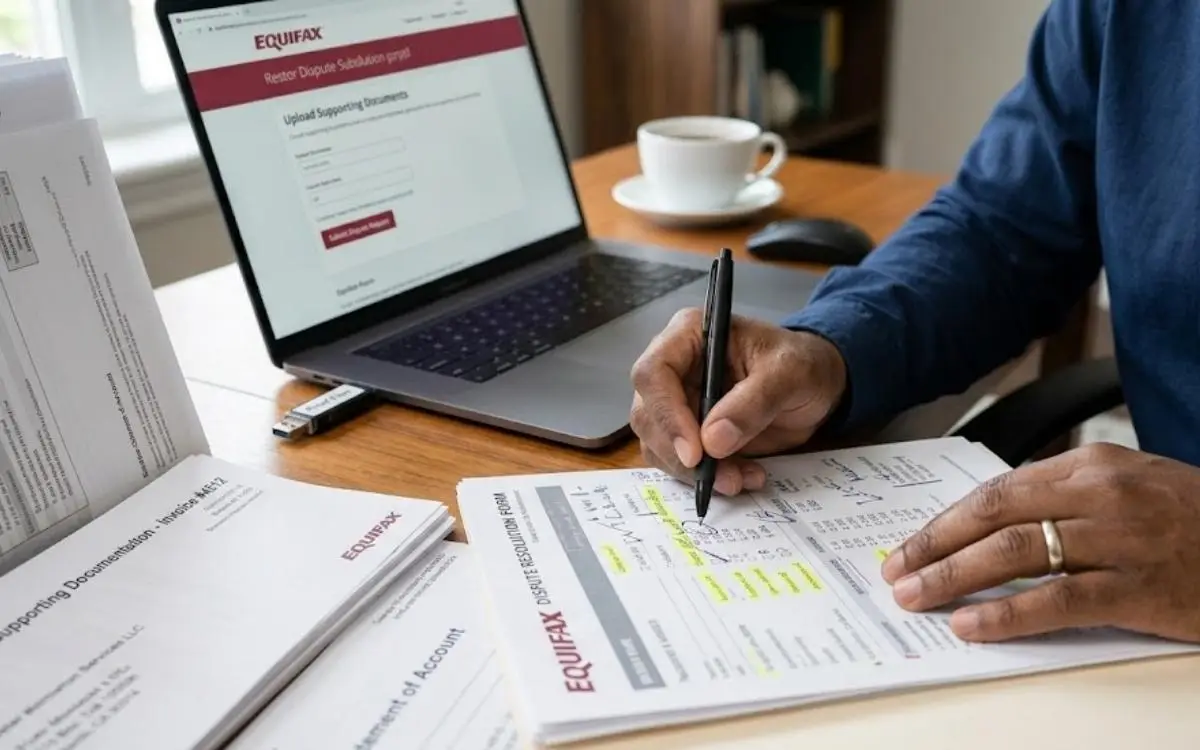
Most FCRA lawsuits start with a documented dispute, so this step matters even if you expect to end up in court. Before you file, gather your supporting evidence: a government-issued ID, a recent utility bill or credit card statement to confirm your identity, and a police report if identity theft is part of the story.
You can submit a dispute three ways:
- Online, through the Experian Dispute Center, where you can select the item, explain the error, and upload documents
- By phone, using the number listed on your Experian credit report
- By mail, sending your dispute and copies of your documents to Experian directly
Keep a copy of everything you send and any confirmation number you receive. If Experian’s customer service team gives you a runaround, or the written response to your dispute does not address the evidence you sent, that is worth documenting too.
Concerned? Learn how FCA can help you in
.
When a Dispute Turns Into a Legal Claim
A dispute that gets resolved is a good outcome. A dispute that hits one of these patterns is where legal action tends to come in:
- Experian misses its 30 or 45-day deadline to respond
- Experian “verifies” the information without any real investigation of the evidence you sent
- Experian deletes an item, then reinserts it later without telling you
- Experian keeps reporting a mixed file after you have proven the accounts are not yours
- Experian fails to correct outdated payments or obsolete items despite documentation
If any of that sounds familiar, the standard dispute process may have run its course, and a legal claim could be the next step.
What You May Be Entitled to Recover
FCRA damages depend on the facts of your case, and no attorney can promise a specific number before reviewing your file. In general terms, the law allows for:
- Actual damages, such as a higher interest rate, a credit denial, or out-of-pocket costs tied to the error
- Statutory damages of $100 to $1,000 per willful violation, even without proof of a specific dollar loss [ATTORNEY REVIEW — confirm current 15 U.S.C. § 1681n range]
- Punitive damages, in cases involving willful conduct
- Attorney fees and legal action costs, which the FCRA allows a successful consumer to recover from Experian [ATTORNEY REVIEW — confirm 15 U.S.C. § 1681n / § 1681o fee-shifting language]
This fee-shifting structure is part of why an FCRA case can move forward without the client paying legal costs out of pocket.
Find out more: FCA offers
Small Claims Court, Federal Court, and the Arbitration Wrinkle
Consumers sometimes ask about handling this through small claims court on their own, using the court forms and court clerk in their county to get a court date without hiring an attorney. That is possible for small claims, but small claims courts cap how much you can recover, and going up against Experian’s legal team without representation is a real disadvantage even when your case is strong.
Filing in federal district court through an attorney opens up the full range of FCRA remedies described above, including attorney fees.
There is also a wrinkle worth knowing about. If you ever signed up for a paid Experian product, such as a credit monitoring or identity protection service with a monthly membership fee, the terms you agreed to likely included a consumer arbitration clause. Experian has argued in litigation that this clause can apply even to unrelated credit reporting disputes. Most of these agreements still carve out an exception for small claims court, and many let you opt out of arbitration in writing within a set window after you sign up. This is exactly the kind of detail an attorney should check before you send a demand letter or file anything.
Serving Experian and Building Your Case
Suing a company the size of Experian means correctly identifying and serving its registered agent, which varies by state, along with meeting your state’s filing rules and deadlines. It also means anticipating how a well-resourced legal team will respond to your claim. This is the stage where a formal demand letter or representation in court tends to carry more weight than a self-filed dispute ever could.
How Fair Credit Attorneys Can Help
We are a consumer protection law firm, not a credit repair company, and we do not send generic dispute letters and hope for the best. We build FCRA cases against credit bureaus, including Experian, when they fail to follow the law.
A few things worth knowing if you are considering legal action:
- You generally have 2 years from the date you discovered the violation, or 5 years from the date it occurred, whichever is earlier, to file suit under the FCRA
- We work on a contingency fee basis, so there is no upfront cost to you
- A free case review is the first step, and it costs nothing to find out where you stand
Ready to Find Out Where You Stand?
If Experian has ignored your dispute or kept reporting something it cannot verify, you do not have to accept that as the final word. Contact Fair Credit Attorneys for a free case review at (866) 381-6444.
No. Fair Credit Attorneys offers a free case review, and we work on contingency, so you pay nothing unless we win your case.
In most cases, yes. A documented dispute, and Experian’s response to it, is usually the foundation of an FCRA claim.
Disputing is the free process built into the FCRA for correcting your file. Suing becomes an option when Experian fails to meet its legal obligations during or after that process, such as missing deadlines or failing to investigate properly.
Yes. Your right to dispute and, if necessary, sue over your Experian credit report is separate from any paid product you may or may not have signed up for.
Every case depends on its own facts, and no firm can guarantee a specific outcome or dollar amount. A free case review is the best way to understand what your situation may be worth.