On This Page
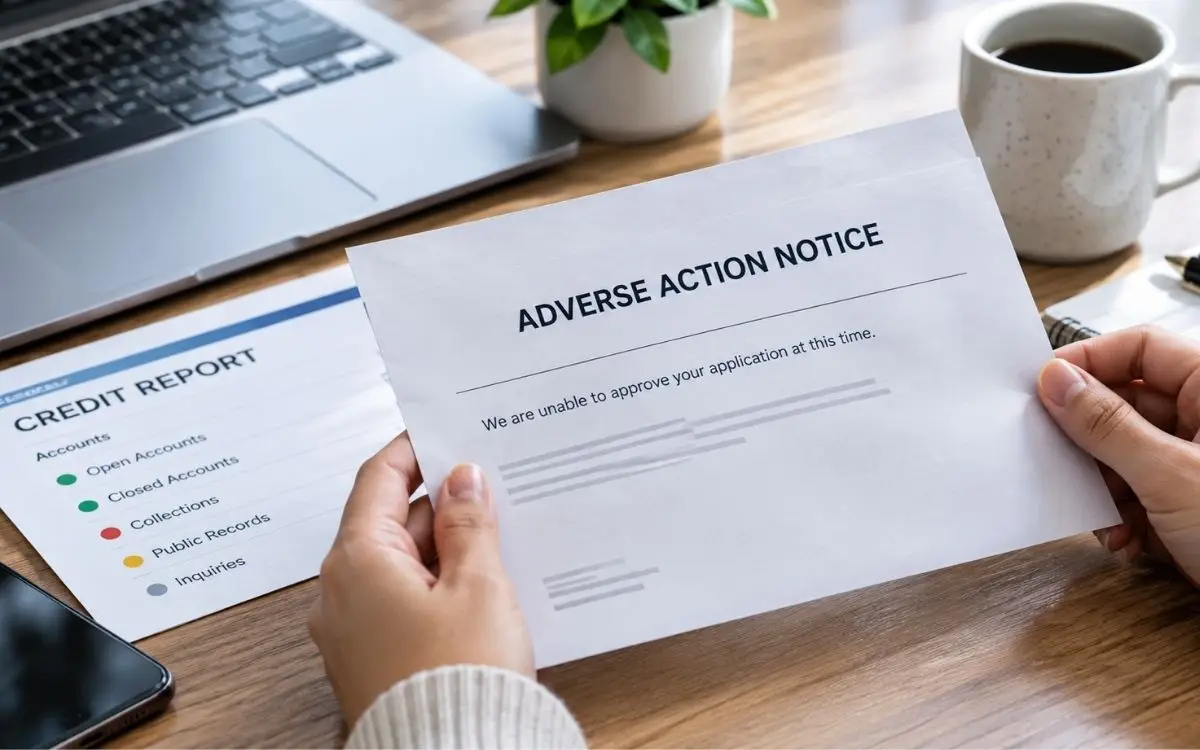
You found a mistake on your TransUnion credit report. Maybe it’s an account that isn’t yours, a balance that’s wrong, or a mixed file that combined your information with someone else’s. You disputed it, like you were supposed to, and TransUnion either ignored the dispute, “verified” the error without really looking into it, or let the same mistake creep back onto your report. At that point, a fair question comes up: can you actually sue TransUnion? A question that can be asked to our experienced FCRA attorneys at Fair Credit Attorneys.

Can You Sue TransUnion?
Yes. The Fair Credit Reporting Act, or FCRA, is a federal law that requires TransUnion to use reasonable procedures to keep your credit file accurate and to properly reinvestigate any error you dispute. When TransUnion fails to meet those legal duties, you may have the right to sue for damages. You generally need to go through the dispute process first, but a dispute that gets ignored, rubber-stamped, or mishandled is often the starting point of a real legal claim, not the end of the road.
Related: Learn more about the FCRA legal process if you have credit report errors.
What Is a TransUnion Reporting Violation?
Not every mistake rises to an FCRA violation, but many common problems do. Examples include:
- TransUnion reporting an account, balance, or late payment that is inaccurate
- A mixed credit file that blends your information with another consumer’s
- TransUnion “verifying” a disputed item without a real investigation
- Failing to delete or correct information that is inaccurate or unverifiable
- Reinserting an item that was previously removed, without proper notice
- Selling your credit report to someone without a legally permissible purpose
If one of these sounds familiar, it’s worth having your file reviewed rather than assuming there’s nothing you can do.
Questions? Learn more about the difference between a
The Legal Process Before You Sue
Under federal law, TransUnion must conduct a free, reasonable reinvestigation once you dispute an item, usually within 30 days. That window can stretch to 45 days if you send additional supporting information while the dispute is open. TransUnion also has to forward your dispute and documents to whoever reported the information in the first place.
A few practical steps protect your case from the start:
- Send your dispute in writing and keep a copy.
- Use certified mail with a return receipt so you can prove when TransUnion received it.
- Save any confirmation number, letter, or result TransUnion sends back.
- Keep supporting documents, such as payment records, an identity theft affidavit, or a police report, in one place.
If TransUnion misses the deadline, refuses to correct a proven error, or “verifies” something without investigating it, that failure can support an FCRA claim.
Where an FCRA Case Against TransUnion Gets Filed
Federal law lets you bring an FCRA claim in federal district court or in another court with proper jurisdiction. In practice, most consumers who sue a credit bureau file in federal court with an attorney, because small claims court has dollar limits that are usually too low to cover the damages, attorney’s fees, and record correction an FCRA case can involve. An attorney handles the filing fees, court forms, and service of process, so you aren’t left figuring out the mechanics of a federal lawsuit on your own.
What You May Be Entitled To
The FCRA separates violations into two categories, and what you can recover depends on which one applies to your case.
- Negligent violations: You may recover your actual damages, such as a denied loan or documented financial harm, plus attorney’s fees.
- Willful violations: You may recover actual damages, punitive damages, and attorney’s fees.
The FCRA is a fee-shifting statute, which is part of why our firm works on contingency. You don’t pay us out of pocket, and compensation is tied to a successful outcome.
There’s also a filing deadline. Waiting to act can cost you the right to sue at all.
Related: Learn more about how an
works.
An FCRA Attorney Is Not a Credit Repair Company
A credit repair company can send dispute letters, but that’s where its power ends. It cannot sue TransUnion, cannot force a real investigation, and cannot recover damages on your behalf. Our attorneys take a different approach. We are consumer attorneys who use federal consumer protection law to hold credit bureaus accountable, not a service that mails form letters and hopes for the best.
How Fair Credit Attorneys Can Help You
We are a nationwide FCRA litigation firm, and TransUnion disputes are a core part of our practice. Here’s what working with us typically looks like:
- We review your credit report and dispute history at no cost to you.
- We determine whether TransUnion’s conduct amounts to an FCRA violation.
- If your dispute already failed, we can move directly toward legal action.
- You pay nothing unless we win your case.
We offer free case reviews, so give us a call at (866-381-6444) today.
You may be able to, if TransUnion failed to use reasonable procedures or didn’t properly reinvestigate your dispute. Not every error supports a lawsuit, so it helps to have an attorney review the specifics.
In most cases, yes. The dispute is usually what triggers TransUnion’s legal duty to reinvestigate, and how TransUnion handles that dispute often becomes the basis for a claim.
TransUnion generally must complete a reinvestigation within 30 days of receiving your dispute, extended to 45 days if you provide more information during that window.
A credit repair company can only send letters. An attorney can investigate the violation, file a federal lawsuit, and pursue damages, all without any upfront cost to you. Fair Credit Attorneys is not a credit repair company.