On This Page
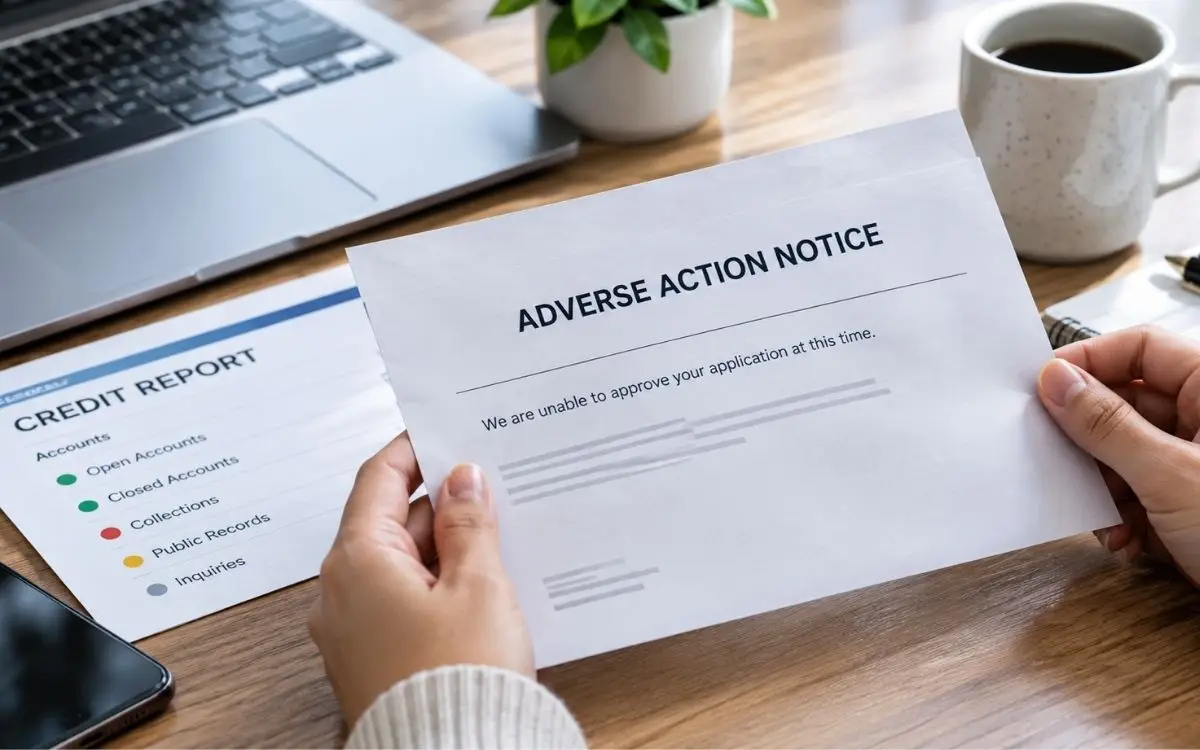
Most people do not think about their credit history until it costs them something: a denied car loan, a higher interest rate than a neighbor with the same income, a landlord who says no to a rental application. By the time it shows up in a decision, it has usually been building quietly for years.
Your credit history is not just a number attached to your name. It follows you into apartments, car dealerships, and insurance quotes. Knowing what shapes it and your rights when something on your report is wrong can protect your financial future long before a denial letter shows up.
If errors on your credit report have already cost you a loan, a credit card, or an apartment, you do not have to sort it out alone. Contact Fair Credit Attorneys for a free case review, and let us look at what happened.
Why Credit History Matters
Your credit history is the record lenders, landlords, and insurers use to decide whether to trust you with credit, housing, or services, and on what terms. A strong history can mean lower interest rates, higher credit limits, and faster loan approvals. A thin or damaged one, especially with errors, can mean denials and higher costs, even when the information is wrong. The Fair Credit Reporting Act (FCRA), a federal law, gives you the right to see what is in your file and dispute what is inaccurate.
What Is Credit History, Exactly?
Your credit history is the record of how you have managed credit accounts over time: credit cards, installment loans, mortgage loans, and other revolving credit. Three major credit reporting companies, Equifax, Experian, and TransUnion, collect this into your credit report, which is not the same as your credit score. The report is the raw data; the score is a three-digit number, generally between 300 and 850, calculated from that data to summarize your risk to a lender at a glance.
A report tracks both positive information (on-time payments, long-standing accounts) and negative information (missed payments, collections, bankruptcies), plus every hard inquiry, a lender pulling your report because you applied for credit.
What Actually Makes Up Your Credit Score
Credit scoring models weigh several factors, and not equally. The most widely used model, FICO, breaks it down this way:
| Factor | Weight | What It Measures |
|---|---|---|
| Payment history | 35% | Whether you pay credit accounts on time |
| Amounts owed | 30% | Your credit utilization rate, the share of available credit you are using |
| Length of credit history | 15% | How long your credit accounts have been open |
| Credit mix | 10% | Your variety of credit accounts (cards, installment credit, mortgages) |
| New credit | 10% | Recent hard inquiries and newly opened accounts |
Payment history is the single biggest factor, which is why one missed payment can outweigh years of good habits. Credit utilization, the share of your credit limit you are actually using, is worth watching too. Most guidance suggests keeping it under 30% on every card, not just on average.
Credit scores generally fall into these ranges:
| Range | Score |
|---|---|
| Poor | 300 to 579 |
| Fair | 580 to 669 |
| Good | 670 to 739 |
| Very good | 740 to 799 |
| Exceptional | 800 to 850 |
Where Your Credit History Actually Follows You
Credit history affects far more than whether a bank approves a credit card.
Loans and interest rates. Mortgage lenders, credit unions, and banks use your history to decide whether to approve personal loans, installment loans, or a mortgage loan, and what interest rate to offer. A stronger history usually means lower rates and lower monthly payments.
Housing and everyday services. Landlords often pull a credit report as part of a rental application; missed payments or collections can mean a higher security deposit or a denial. Cell phone carriers, utility companies, and in many states insurance companies also weigh credit-based information before setting up service or premiums.
Building credit from nothing. A secured credit card or a credit-builder loan through a credit union or bank can help you open your first credit accounts and start building a track record.
Your Rights When Something on Your Report Is Wrong
The FCRA is the federal law governing how credit reporting companies handle your personal information, and it gives every consumer real, enforceable rights. Under it, you have the right to:
- Request a free copy of your credit report from each bureau every week through AnnualCreditReport.com.
- Dispute information you believe is inaccurate, outdated, or incomplete.
- Have the credit bureau investigate your dispute, generally within 30 days, according to the Federal Trade Commission.
- Have corrected information sent to anyone who received your report in the past six months, or two years for employment-related requests.
- Place a security freeze on your credit file to help prevent new accounts from being opened in your name.
These rights matter most when things go wrong: someone else’s accounts on your file, a paid-off debt still showing a balance, or identity theft you did not cause. If your credit report errors were never fixed, the law is still on your side.
Building and Protecting a Healthy Credit History
A few habits do most of the work when it comes to building a credit history that holds up over time.
- Pay every bill on time, including medical bills and utility bills that can end up on a credit report.
- Keep your credit utilization rate low relative to your credit limit, especially before a big loan application.
- Leave old accounts open when possible. Closing your oldest card can shorten your length of credit history.
- Use a credit monitoring tool to watch for unfamiliar accounts or inquiries you do not recognize.
- If debt is piling up, look into debt consolidation or a Debt Management Plan before missed payments start showing up on your report.
- Pay off cards during the interest-free period when you can, one of the few ways to use revolving credit without paying for it.
These are financial tools, not guarantees. Responsible borrowing lowers risk, but it cannot undo a bureau’s or furnisher’s mistake.
What To Do If You Find an Error
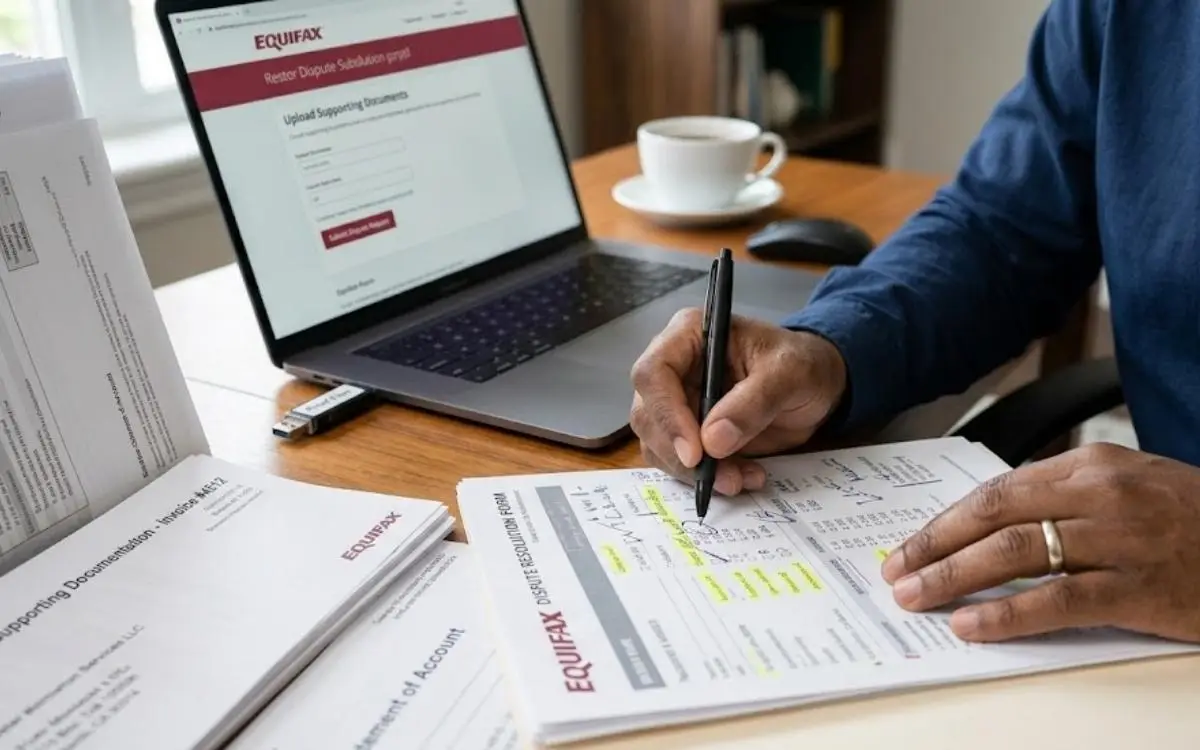
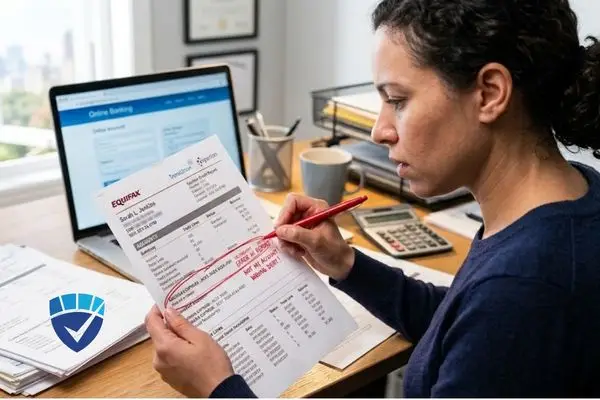
Pull your reports from all three bureaus, read them line by line, and circle anything wrong: an account you do not recognize, a payment marked late that you made on time, a balance that should have zeroed out. Dispute it in writing with the bureau and keep copies of everything you send.
If the bureau’s response does not fix the problem, or a wrong entry has already cost you a loan, a denied mortgage, or a denied credit card, this may have moved beyond a paperwork fix. An FCRA attorney and a credit repair company are not the same thing: a credit repair company charges you to send disputes on your behalf, while an FCRA attorney enforces your legal rights against a bureau or furnisher that violated federal law, often at no cost to you out of pocket.
Fair Credit Attorneys Is Here When the System Gets It Wrong

Fair Credit Attorneys is a national FCRA litigation firm based in Palos Heights, Illinois, built around one job: holding credit bureaus and furnishers accountable when they violate your rights under federal law. We are not a credit repair service, and we do not promise to erase accurate information or guarantee a specific score increase. We investigate what happened on your credit report and explain your legal options in plain language.
If a credit report error has already cost you money or an opportunity, call Fair Credit Attorneys at (866) 381-6444 or reach out online to schedule your free consultation. There are no upfront fees, ever.
Frequently Asked Questions
Late or missed payments, collections, charge-offs, bankruptcies, and hard inquiries you did not authorize. It can still be disputed if it is wrong, outdated, or belongs to someone else.
No. Checking your own report or score is a soft inquiry and does not affect your score. Only hard inquiries, triggered when a lender pulls your report because you applied for credit, can have a small, temporary impact.
No. We are a consumer protection law firm that litigates violations of the Fair Credit Reporting Act against credit bureaus and furnishers. Credit repair is a separate, unrelated industry, and we do not promise to delete accurate information or guarantee a score increase.
Request your free reports from all three bureaus at AnnualCreditReport.com, review them carefully, and dispute anything inaccurate in writing with the bureau. If the bureau will not fix a real error, or the error already cost you a loan, a rental, or a credit card, consider talking to an FCRA attorney.