On This Page
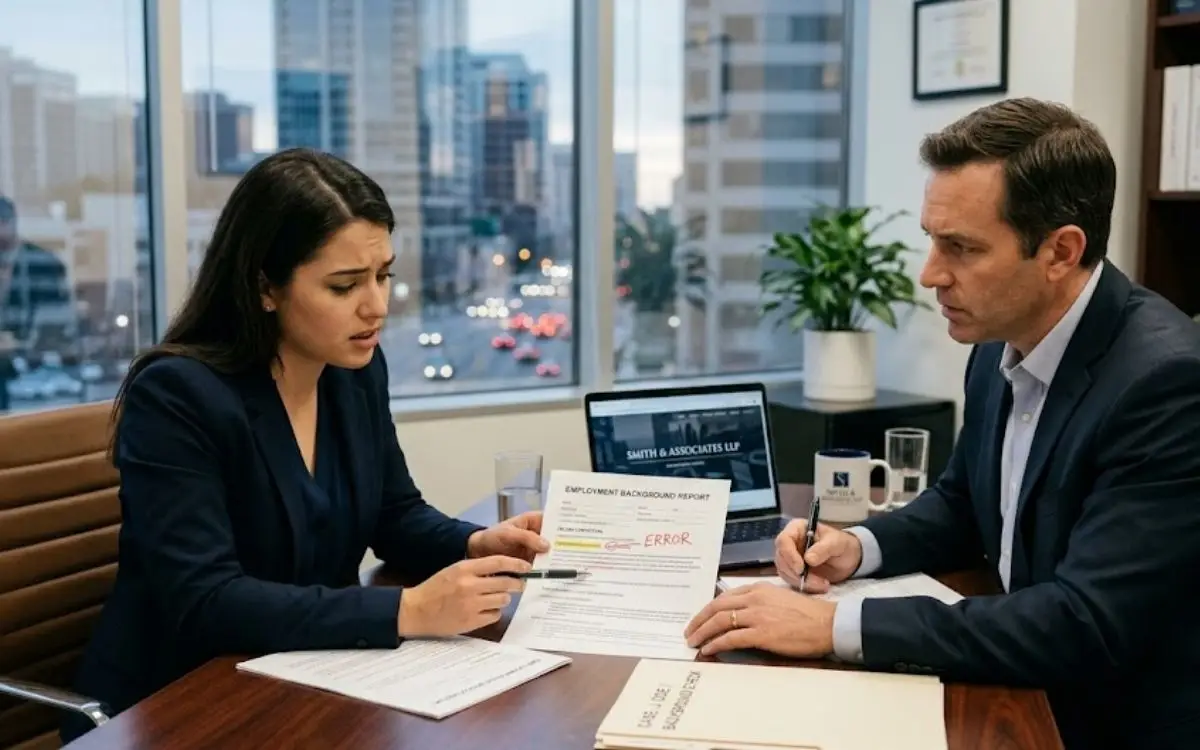
Losing a job offer over a background check mistake is one of the more frustrating experiences a job seeker can face. You did everything right. You interviewed well, got the offer, and then a report full of errors got in the way: a criminal record that belongs to someone else, an old conviction that was expunged, or a case that never even happened to you.
Disputing the error with the background check company is always the first step. But disputing does not always fix the problem, and sometimes the employer or the screening company breaks federal law in the process. When that happens, you may have a legal claim under the Fair Credit Reporting Act, not just a correction to request.
If a flawed background check cost you a job, Fair Credit Attorneys can review what happened at no cost to you and explain your options. Contact us today for a free case review.
When Does A Background Check Error Require A Lawyer, Not Just A Dispute?

A dispute alone is usually enough when a background check report contains a simple factual mistake, and the consumer reporting agency corrects it within the required timeline. It becomes a legal matter when the process itself breaks down: the employer skips required notices, the background check company keeps reporting information it cannot verify, or you lose a job before you ever got a real chance to respond.
In plain terms, if you were denied a job, had an offer pulled, or were fired because of background check information, and the process felt rushed, incomplete, or ignored your dispute, it is worth having an FCRA attorney look at the timeline.
How Employment Background Check Errors Happen
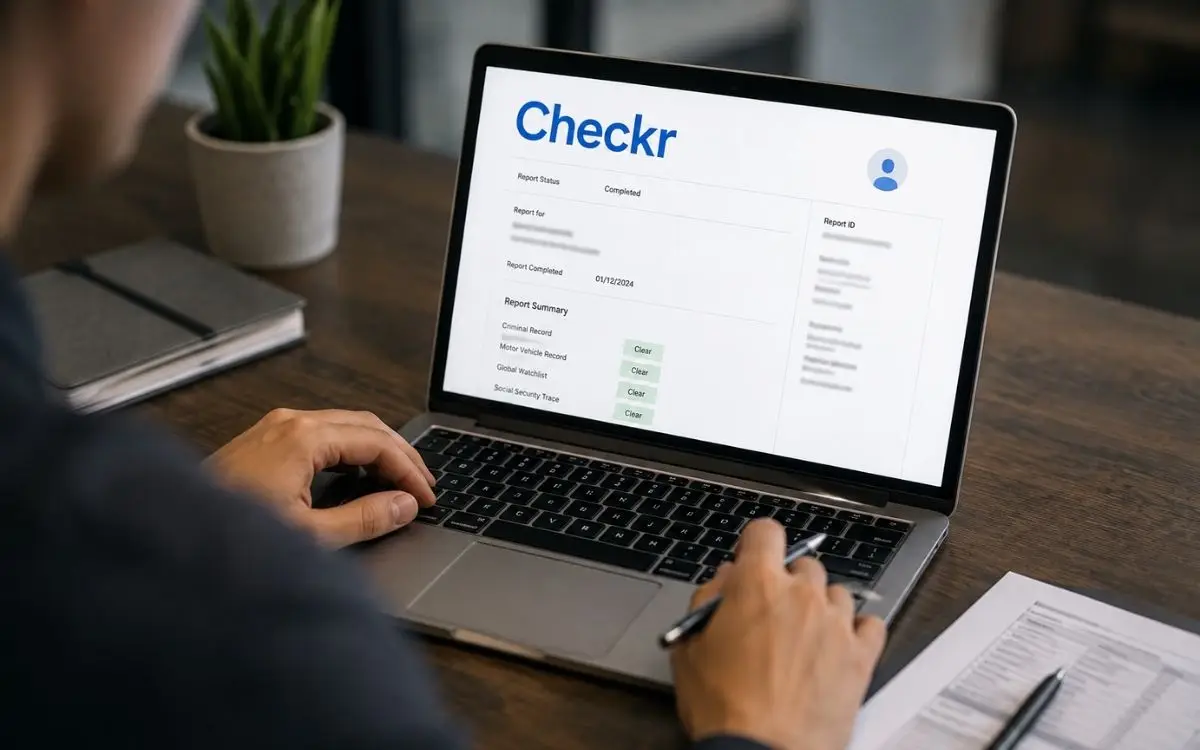
Pre-employment screening is not one single document. A background screening company may pull from a criminal record check, civil litigation checks, employment history, education verification, references and background checks, motor vehicle record and driving violation history, and sometimes social media activity. Unlike a standard credit report, most of this information comes from public record information rather than lenders, which is exactly why a conviction history report or a court record can attach to the wrong person so easily.
Common background check sources, and how errors slip in:
- Criminal record check. Mistaken identity is the most common cause. A common name, a shared birth year, or a similar Social Security number can pull someone else’s criminal history background check results onto your report.
- Civil litigation checks. Old lawsuits, judgments, or eviction filings can surface even after they were resolved or dismissed.
- Employment history and references. Employment records from a previous employer can list the wrong dates, titles, or reasons for leaving when confirmed during employment verification.
- Education verification. A school’s records office can confirm the wrong degree, dates, or even the wrong person entirely.
- Sealed and expunged records. These should never appear on a background check report, but they surface anyway when a database was not updated.
- Motor vehicle record. Driving violations belonging to someone else, or violations that should have aged off the record, sometimes remain.
Whatever the source, once you dispute information, the consumer reporting agency has a legal duty under FCRA requirements to actually reinvestigate it, not just rubber-stamp the original report.
Learn More: Failed background check after job offer
Your Rights Under The FCRA During An Employment Background Check
The Fair Credit Reporting Act is a federal law that governs how consumer reporting agencies, including employment background screening companies, and the employers who use their reports must handle your information. Background screening carries real regulatory compliance obligations, so employers cannot simply run a report and act on it however they choose. Because the FCRA is federal, these rights apply the same way whether you applied for a job in Illinois, Texas, or anywhere else in the country, and whether you were hired directly or through staffing agencies.
Before the check. Somewhere early in the recruitment process, and before pulling your report, an employer generally must give you a clear, standalone written disclosure, sometimes called a consent form or disclosure document, that a background check will be used in the hiring decision, and get your written authorization.
Before any adverse decision. If information in the report might cost you the job, the employer has to send you a pre-adverse action notice first. That notice must include a copy of the actual background report and a summary of your rights under the FCRA. This step exists specifically so you get a real chance to catch and correct errors before you lose the opportunity, not after.
A reasonable waiting period. The FCRA does not set an exact number of days, but the Federal Trade Commission has indicated that employers commonly wait around five business days after the pre-adverse action notice before finalizing anything. If an employer moves straight to a final decision without giving you that window, that is a red flag.
After a final decision. If the employer proceeds, it must send a formal adverse action notice naming the background check company, confirming that company did not make the hiring decision, and explaining your right to a free copy of your report and to dispute anything in it.
A state-law layer. Employment background check laws are not only federal. Many states and cities have their own fair-chance or “Ban the Box” rules limiting when an employer can ask about criminal history during hiring. These add to the FCRA baseline, they do not replace it, so it is worth checking both federal and state and local employment law that applies where you applied.
The table below lays out how that process is supposed to work.
| Step | What The Employer Must Do | Typical Timing |
|---|---|---|
| 1. Disclosure and authorization | Provide a standalone written notice and get your signed authorization | Before the background check is run |
| 2. Pre-adverse action notice | Send a copy of the report and a summary of your FCRA rights | Before any final hiring decision |
| 3. Waiting period | Give you a reasonable chance to review and respond | Commonly about five business days (not a fixed statutory deadline) |
| 4. Adverse action notice | Confirm the decision, name the screening company, explain your rights | After the waiting period, if the employer proceeds |
When A Dispute Turns Into A Legal Claim
Filing a dispute is a background check dispute process, not a lawsuit, and most consumers start there. Under FCRA requirements, the consumer reporting agency generally has 30 days to reinvestigate a dispute, extendable to 45 days if you submit additional supporting information during that window. If the information cannot be verified, it has to be corrected or removed.
A situation moves from “dispute” to “possible legal case” when:
- The background check company ignores your dispute or fails to reinvestigate within the required timeframe.
- The employer skips the pre-adverse action notice entirely and simply rescinds the offer.
- The employer does not provide a real waiting period before finalizing the adverse employment decision.
- The same inaccurate information reappears on a later report after it was supposedly corrected.
- You are never given a copy of the report or told which company provided it.
What You May Be Entitled To
FCRA violations fall into two categories, and what a consumer can recover depends on which applies. This is general information about the law, not a promise about any individual case, since every outcome depends on the specific facts.
| Negligent Violation | Willful Violation | |
|---|---|---|
| Actual damages | Yes | Yes |
| Statutory damages ($100 to $1,000 per violation) | No | Yes |
| Punitive damages | No | Possible |
| Attorney’s fees and costs (if you win) | Yes | Yes |
A negligent violation happens when a company makes a careless mistake. A willful violation involves knowing or reckless disregard for your FCRA rights. Neither category comes with a guaranteed dollar amount, and no attorney can promise a specific recovery before reviewing your situation.
How Long Do You Have To Act?
Under the FCRA, you generally have two years from the date you discovered the violation, or five years from the date the violation occurred, whichever comes first, to file a claim. Waiting to see whether things “sort themselves out” can quietly run that clock down, which is part of why it helps to have your documents reviewed sooner rather than later.
What To Do If You Believe Your Background Check Was Mishandled
- Save everything. Keep the job offer, the denial or rescission notice, any pre-adverse or adverse action letters, and the background check report itself.
- Request your free report. You are entitled to a free copy of the report the adverse decision was based on.
- Dispute the specific inaccuracy in writing with the consumer reporting agency, and keep a copy of what you sent.
- Track the timeline. Note the date you disputed and the date you heard back, since missed deadlines matter.
- Talk to an attorney before the window closes, especially if the employer skipped notices or the same error reappears.
How Fair Credit Attorneys Can Help

Fair Credit Attorneys is a consumer protection law firm. We take on employers, background check companies, and consumer reporting agencies that violate your rights under the FCRA, and we are not a credit repair company. Our job is to hold the businesses that got it wrong accountable, not to erase accurate information from your record.
If a background check error cost you a job, you do not have to sort through the FCRA on your own. Reach out to Fair Credit Attorneys today for a free case review, and let us look at what happened
Frequently Asked Questions
Any inaccurate, outdated, or misattributed information in a background report used for an employment decision, including criminal convictions that belong to someone else, sealed or expunged records that should not appear, and outdated case statuses.
Contact the consumer reporting agency that prepared the report in writing, identify the specific inaccurate item, and request a reinvestigation. The agency generally has 30 days to respond, or 45 days if you submit more information during that window.
Skipping or shortening the waiting period after a pre-adverse action notice can be a sign the employer violated the FCRA’s adverse action process, which is worth having an attorney review.
You may be able to pursue a claim if a background check company or employer violated your FCRA rights, particularly if the violation was willful. An attorney can review your specific timeline and documents to tell you where you stand.
Generally, two years from when you discovered the violation, or five years from when it occurred, whichever is sooner.