On This Page
You got the job offer, then the background check came back and the offer vanished. Maybe the report showed a stranger’s felony or a case a court dismissed or expunged. Criminal background check errors like these happen often, and you did nothing to cause them.
The Fair Credit Reporting Act (FCRA) holds background check companies to strict accuracy standards, and Fair Credit Attorneys sues companies that break those rules. If an inaccurate criminal record cost you a job or a home, call us at (866) 381-6444 or schedule a free case review today.
What Counts as a Criminal Background Check Error?

A criminal background check error is any mistake in the criminal history section of a background check report. It covers records that belong to someone else, charges listed with the wrong outcome, and cases a court has sealed or expunged.
Background check companies count as consumer reporting agencies (CRAs) under federal law. That means the same law that governs the major credit reporting companies also governs the company that screened you for a job or an apartment.
These are the background check errors we see most often:
| Error Type | What It Looks Like on Your Report |
|---|---|
| Wrong person | A stranger’s conviction appears because you share a name or date of birth |
| Incorrect dispositions | A dismissed charge shows up as a conviction, or a closed case still reads “pending” |
| Sealed or expunged records | A record a court ordered sealed or expunged still appears |
| Misclassified offenses | A misdemeanor appears as a felony, or a traffic ticket appears as a criminal charge |
| Duplicate entries | One case appears two or three times, so a single incident looks like a pattern |
| Outdated records | Old arrests that never led to a conviction appear after the law says they should drop off |
| Identity theft | Someone used your name or identification documents at an arrest, and their record lands on your report |
False-Positive vs. False-Negative Errors
People in the screening industry often sort these mistakes into two groups. Both types can hurt you.
| False-Positive Error | False-Negative Error | |
|---|---|---|
| What it means | The report includes a record that isn’t yours | The report leaves out information that exists |
| Common example | A stranger with your name has a theft conviction, and it appears on your report | The report lists your arrest but leaves out the court disposition showing the court dismissed the case |
| Why it matters | You get judged for someone else’s past | You get judged on half the story |
Why Background Screening Companies Get Criminal Records Wrong
Most errors come down to speed and cost. A screening provider may run thousands of searches a day, and many take shortcuts to keep up.
- Loose search criteria: Some companies match records by name and date of birth alone, skipping a middle name, Social Security number, or driver’s license number. That’s how strangers’ records end up in mixed files.
- Automated systems: Software matches and formats records with little or no human review, so obvious mismatches get through.
- National databases: A national criminal database often holds bulk data that’s months or years old. It rarely reflects the latest court records.
- Court records change: Courts update court dispositions, seal cases, and grant expungements. A company working from stored data never sees the update.
- Data errors: A typo in a case number or a misread charge code can turn a misdemeanor into a felony. Misclassified charges like these make a minor offense look serious.
Many screening packages also bundle criminal background screening with employment verification, employment history, residential history, and drug screenings. Every added piece gives a company another chance to get something wrong.
Background screening errors aren’t new. In 2015, the Consumer Financial Protection Bureau (CFPB) took action against two background screening companies.
The agency found that the companies attached criminal records to the wrong people, reported expunged records, and listed misdemeanors as felonies.
If someone used your personal details during an arrest, you may also face criminal identity theft, which calls for its own steps to clear your name.
How These Errors Cost You Jobs and Housing

Employment Screening
Most employers run background checks as part of pre-employment screening before they hire. A screening company pulls your criminal background and sends the report to the employer.
The employer then runs its own background screening adjudication, a review that compares your report against its background screening policy.
If the report shows a felony you never committed, the review can end your application right there.
People lose job offers, promotions, and steady paychecks this way. Some lose access to entire fields, like healthcare, education, or driving jobs.
Learn more about employment background check errors and how they affect your employment opportunities.
Some screening decisions also raise discrimination claims under civil rights laws. Those claims fall outside the FCRA, but an inaccurate report is often part of the same story.
Tenant Screening
Landlords and property managers rely on screening companies too. A false record can get your rental application denied, even when your rental history is spotless.
The FCRA’s accuracy rules apply to tenant screening companies the same way they apply to employment screening companies. See our guide to tenant screening report errors for steps specific to renters.
Your Rights Under the Fair Credit Reporting Act
The FCRA (15 U.S.C. § 1681 and following) is a federal consumer protection law. It gives you real consumer rights when a company screens you for a job or a home.
Here are the rights that matter most:
- Accuracy: Every consumer reporting agency must follow reasonable procedures to make its consumer reports as accurate as possible (§ 1681e(b)).
- Complete, current public records for jobs: When a company reports criminal records for employment, it must either notify you at the time or follow strict procedures to keep those records complete and up to date (§ 1681k).
- Limits on old records: The FCRA restricts how long a report can include arrests and other records that didn’t lead to a conviction. Criminal convictions follow different rules, and some states add their own limits.
- Notice and permission: An employer must tell you in writing and get your written permission before it orders a background check.
- A chance to respond: Before an employer rejects you based on a report, it must give you a copy of the report and a summary of your rights.
- An adverse action notice: After a denial based on a report, the employer or landlord must send you an adverse action notice. The notice must name the screening company and explain your right to a free copy and to dispute.
- The right to dispute: You can dispute inaccuracies directly with the screening company. It must reinvestigate within a set time and correct or delete anything it finds inaccurate or can’t verify.
The FCRA also protects your privacy rights. Only someone with a legally permitted reason can pull your report.
Who Owes You What
| Who | What the FCRA Requires of Them |
|---|---|
| Background screening company | Follow reasonable procedures for accuracy, keep employment-related public records complete and current, reinvestigate disputes, and give you your file when you ask |
| Employer | Give written disclosure, get your permission, send a copy of the report before taking action, then send an adverse action notice |
| Landlord | Send an adverse action notice that names the screening company and explains your rights |
How to Dispute Errors on Your Background Check Report
The dispute process is your first line of defense against errors in background check reports. Follow these steps in order:
- Get your report: Use the copy the employer sent you, or request your file from the screening company. Your adverse action notice should name the company.
- Mark every error: Look for wrong names, wrong case numbers, wrong charges, and missing dispositions.
- Gather proof: Pull court records, expungement or sealing orders, and proof you completed any diversion program. In wrong-person cases, a copy of your driver’s license helps.
- Dispute in writing: Send a written dispute to the screening company that explains each error and includes your proof. Keep copies and use a trackable delivery method.
- Tell the employer or landlord: Let them know you’ve filed a dispute, and ask them to hold their decision until the company responds.
- Watch the response: The company has a limited time to reinvestigate. If it ignores you or “verifies” a false record, talk to a lawyer.
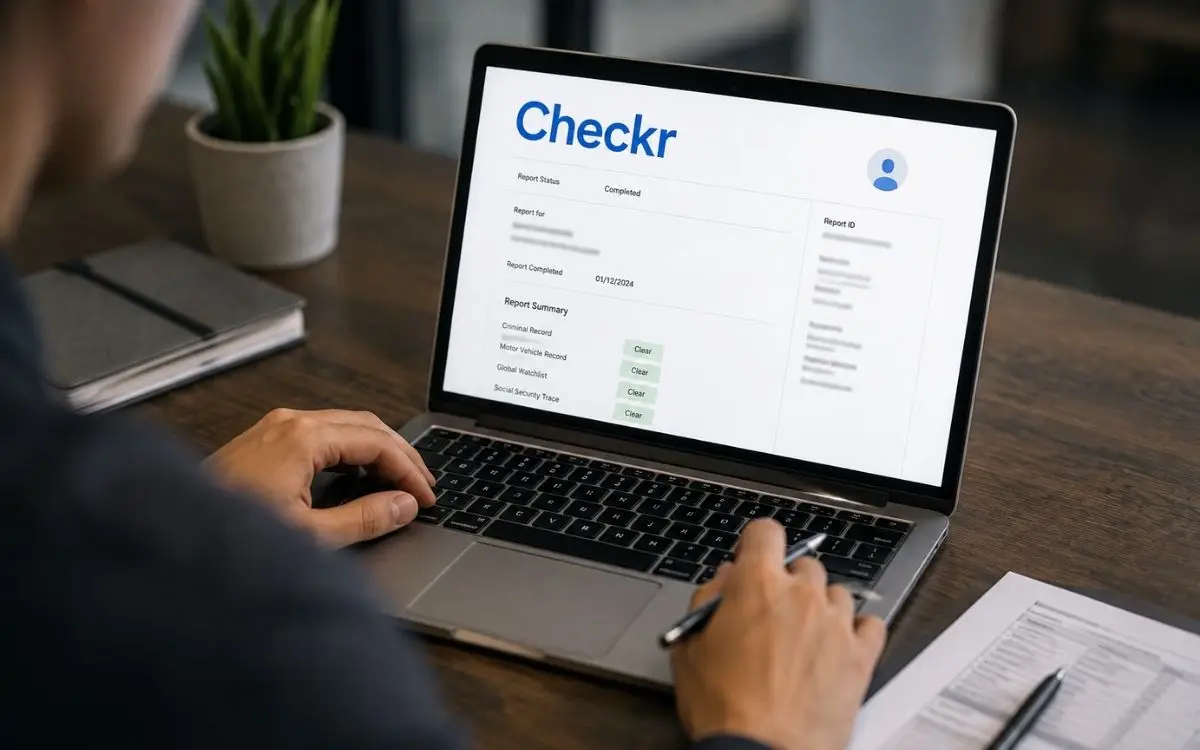
If Checkr ran your report, read our guide to Checkr background check errors. If your dispute stalls, learn when to escalate an employment background check error.
When a Background Check Error Becomes a Lawsuit
A dispute can correct a report. It can’t give you back a lost job.
When a screening company fails to follow reasonable procedures, or botches a reinvestigation, you may have a claim under the FCRA. Courts treat FCRA violations in two ways:
| Negligent Violation | Willful Violation | |
|---|---|---|
| What it means | The company was careless | The company knowingly or recklessly ignored the law |
| What you may recover | Actual damages, plus attorney fees and court costs | Actual or statutory damages, punitive damages, plus attorney fees and court costs |
Actual damages can include:
- Lost wages from a job offer that disappeared
- Lost promotions and employment opportunities
- Emotional distress, embarrassment, and harm to your reputation
- Extra costs from a denied apartment, like added application fees or moving costs
Every case turns on its own facts. What you may recover depends on what happened to you and how the company acted.
Strict filing deadlines apply to FCRA claims, so don’t wait to get your situation reviewed.
How Fair Credit Attorneys Helps

We’re an FCRA litigation firm. We hold background screening companies accountable when their criminal background reporting gets your record wrong.
When you reach out, we:
- Review your background report, adverse action notices, and any dispute letters
- Spot the errors that may violate the FCRA
- Deal with the screening company directly, so you don’t have to
- File a lawsuit when a company refuses to make it right
We handle FCRA cases on a contingency basis. You pay nothing upfront, and the FCRA can require the company that broke the law to pay your attorney fees.
Our FCRA lawyers represent consumers across the country from our office in Palos Heights, Illinois.
Your Background Report Should Tell the Truth
A criminal background check should tell employers and landlords who you are. Not who someone else is, and not who you were before a court cleared your record.
When a screening company gets it wrong, the law is on your side. You have the right to an accurate report, the right to dispute false records, and the right to hold the company accountable for the damage.
Don’t let one bad report decide your future. Call Fair Credit Attorneys at (866) 381-6444 or reach out online for a free consultation. We’ll review your report and explain your options.
Frequently Asked Questions
It shouldn’t. A report that lists expunged information, expunged charges, or a case dismissed after a diversion program may be inaccurate, so dispute it and talk to an attorney.
Dispute it in writing with the screening company and include proof of identity. Then let the employer or landlord know you’ve filed a dispute.
Federal law gives the company a limited time to reinvestigate and fix anything inaccurate or unverifiable. If it misses that window or ignores a clear error, it may be violating the FCRA.
Often, yes. If the company skipped reasonable accuracy procedures or botched your dispute, you may have an FCRA claim for lost wages and other damages.
No. Some screening companies are the background screening arm of a larger data company, but a criminal record search doesn’t change your credit history or what a credit bureau reports.