On This Page
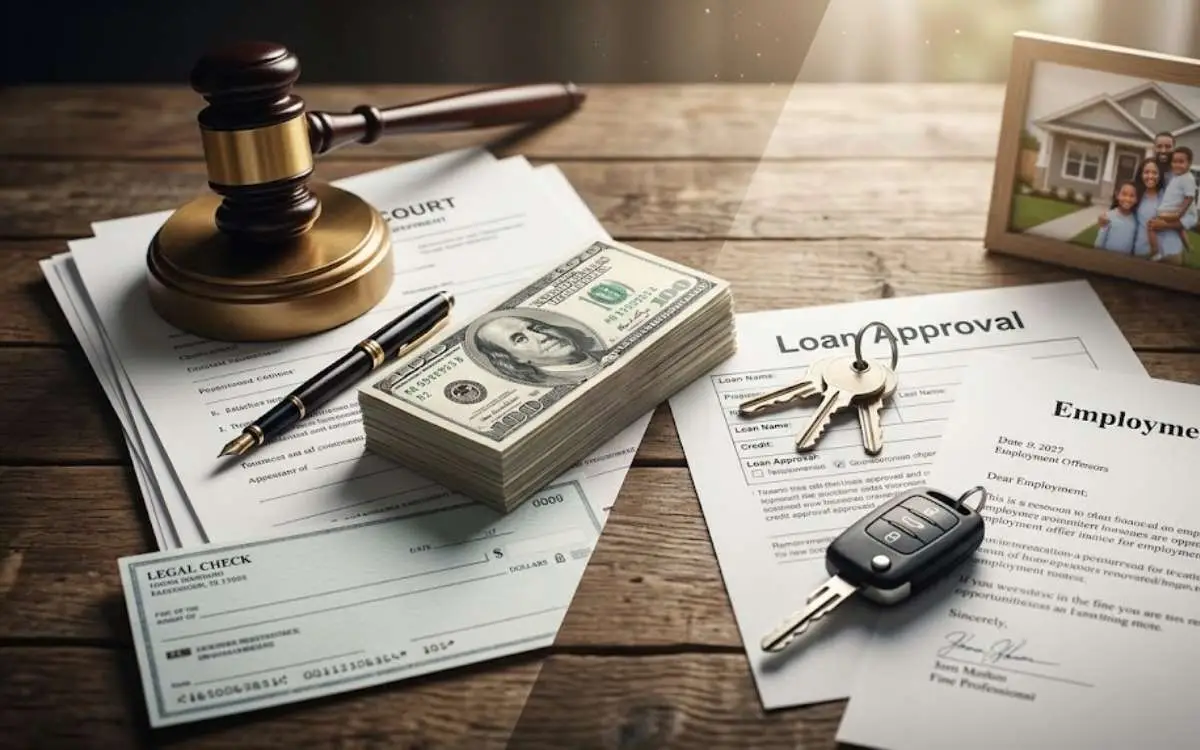
A credit reporting error rarely stays on paper. It shows up when a lender denies your mortgage, a landlord rejects your application, or an employer pulls a job offer.
The Fair Credit Reporting Act (FCRA) is the federal law that sets the rules for credit bureaus and the companies that report to them. When they break those rules, the FCRA lets you sue for the harm they caused.
If a credit report error cost you a loan, a home, or a job, call Fair Credit Attorneys at 866-381-6444 or request a free case review to find out whether you have a claim.
What Damages Can You Recover in an FCRA Lawsuit?

The FCRA lets consumers recover damages from a credit reporting agency, a furnisher (a lender, collector, or other company that reports your information), or a background check company that violates the law. What you can recover depends on what went wrong and why it happened.
There are three main categories:
| Type of Damages | What It Covers | When It Applies | Statute |
|---|---|---|---|
| Actual damages | Real losses you suffered, such as out-of-pocket expenses, higher costs, lost opportunities, and emotional distress | Negligent or willful violations | 15 U.S.C. §§ 1681n, 1681o |
| Statutory damages | A set amount between $100 and $1,000, available in place of actual damages | Willful violations only | 15 U.S.C. § 1681n |
| Punitive damages | An extra amount the court allows to punish the company and deter future misconduct | Willful violations only | 15 U.S.C. § 1681n |
On top of damages, a consumer who wins can also recover court costs and reasonable attorney fees. We cover that in more detail below.
Actual Damages: Compensation for the Harm You Suffered
Actual damages repay you for the real harm a credit reporting violation caused. You can recover them whether the company acted carelessly or on purpose.
Credit reporting mistakes can have lasting consequences, and actual damages aim to account for them. They often fall into three groups.
Financial Losses and Out-of-Pocket Expenses
These are the losses you can usually show with receipts, statements, or letters:
- Loan denials or credit card denials caused by the error
- Higher interest rates or worse loan terms
- Larger security deposits or extra fees
- Out-of-pocket expenses for postage, copies, travel, or time off work to dispute the error
- Lost wages from a job opportunity that fell through
Housing Costs and Loss of Housing
Many landlords pull credit or tenant screening reports before they approve an application. A false eviction record, a mixed file, or a debt that isn’t yours can lead to a flat rejection.
The fallout often includes:
- Loss of housing you had already picked out
- Being forced into a more expensive rental
- Higher housing costs, such as larger deposits or a co-signer requirement
- Moving costs or temporary living costs while you search again
If an error led to a mortgage denial, the cost can include higher rates down the road or a home purchase that fell apart.
Emotional Distress
Credit reporting errors don’t only cost money. They can cause anxiety, embarrassment, lost sleep, and strain on your family. Courts generally recognize emotional distress as part of actual damages under the FCRA.
Courts differ on how much proof they expect. Specific, detailed evidence tends to carry more weight than general statements. That can include notes about how the error affected your daily life, or testimony from family members and coworkers.
This chart shows common harms and the kind of evidence that helps support each one:
| Harm | Evidence That Helps |
|---|---|
| Loan or credit denial | Denial letter or adverse action notice |
| Rental application rejected | Landlord’s denial letter, screening report, new lease showing higher rent |
| Lost job opportunity | Offer letter, withdrawal email, background check report |
| Higher interest rate | Loan offers before and after the error |
| Out-of-pocket expenses | Receipts, mailing records, pay stubs showing time off |
| Emotional distress | Personal notes, doctor visits, statements from people close to you |
Statutory Damages: When the Violation Was Willful
Some harms are hard to put a price on. Statutory damages fill that gap.
Under 15 U.S.C. § 1681n, a consumer who proves a willful violation can recover either actual damages or statutory damages of not less than $100 and not more than $1,000. You don’t have to prove an exact dollar loss to seek statutory damages.
Statutory damages are set by law. The final amount still depends on the facts of your case and what the court or a settlement decides.
Punitive Damages: Holding Companies Accountable
Punitive damages go beyond repaying you. Their purpose is to punish a company for willful misconduct and discourage it from doing the same thing to the next consumer.
The FCRA lets a court award punitive damages for willful violations. The law does not set a cap, so the court decides the amount based on how serious the company’s conduct was. A company that ignored repeated disputes, for example, looks very different from one that made a single honest mistake.
Willful Violation vs. Negligent Violation: Why the Difference Matters
Whether a violation was willful or negligent shapes which damages you can pursue.
- Negligent violation: The company failed to use reasonable care. Under 15 U.S.C. § 1681o, you can recover actual damages, plus costs and attorney fees.
- Willful violation: The company knowingly broke the law or acted with reckless disregard for your rights. This opens the door to statutory and punitive damages.
| Negligent Violation | Willful Violation | |
|---|---|---|
| What it means | The company was careless | The company knew, or recklessly ignored, that it was breaking the law |
| Actual damages | Yes | Yes |
| Statutory damages ($100 to $1,000) | No | Yes, in place of actual damages |
| Punitive damages | No | Yes, as the court allows |
| Attorney fees and costs | Yes, if you win | Yes, if you win |
Some patterns can point to a willful violation:
- A credit bureau “verifies” a disputed item without looking at the proof you sent
- A company keeps reporting the same error after multiple consumer disputes
- A background check company reports old or sealed records it should have screened out
- Someone pulls your report without a lawful reason
Who You Can Sue for Credit Reporting Errors
FCRA claims usually involve one or more of these parties:
- Credit bureaus. Equifax, Experian, and TransUnion must use reasonable procedures to keep reports accurate and must properly reinvestigate your disputes.
- Furnishers. Banks, lenders, and collection agencies must investigate after a credit bureau notifies them of your dispute.
- Background check companies. Screening companies that prepare reports for employers and landlords must follow the same accuracy rules.
Every case depends on its facts. If you want to know more about a specific company, see our guides on how to sue Experian, sue TransUnion, and sue Equifax.
The Burden of Proof in an FCRA Damages Claim
The burden of proof is on the consumer who brings the lawsuit. In general, you will need to show that:
- Your report contained inaccurate or incomplete information, or the company broke another FCRA rule.
- The company failed to meet its legal duty, such as using reasonable procedures or conducting a reasonable reinvestigation.
- The violation caused you real harm.
- For statutory or punitive damages, the company acted willfully.
Your consumer disputes matter here. A furnisher’s legal duty to investigate kicks in after you dispute through a credit bureau. Your dispute records also show what the company knew and when it knew it.
That’s why a strong paper trail can make a real difference in an FCRA claim.
How to Protect Your Right to FCRA Damages
You can take steps today to protect a possible claim:
- Get copies of your reports. You can request free credit reports from each of the three major credit bureaus through AnnualCreditReport.com, the official site for free reports.
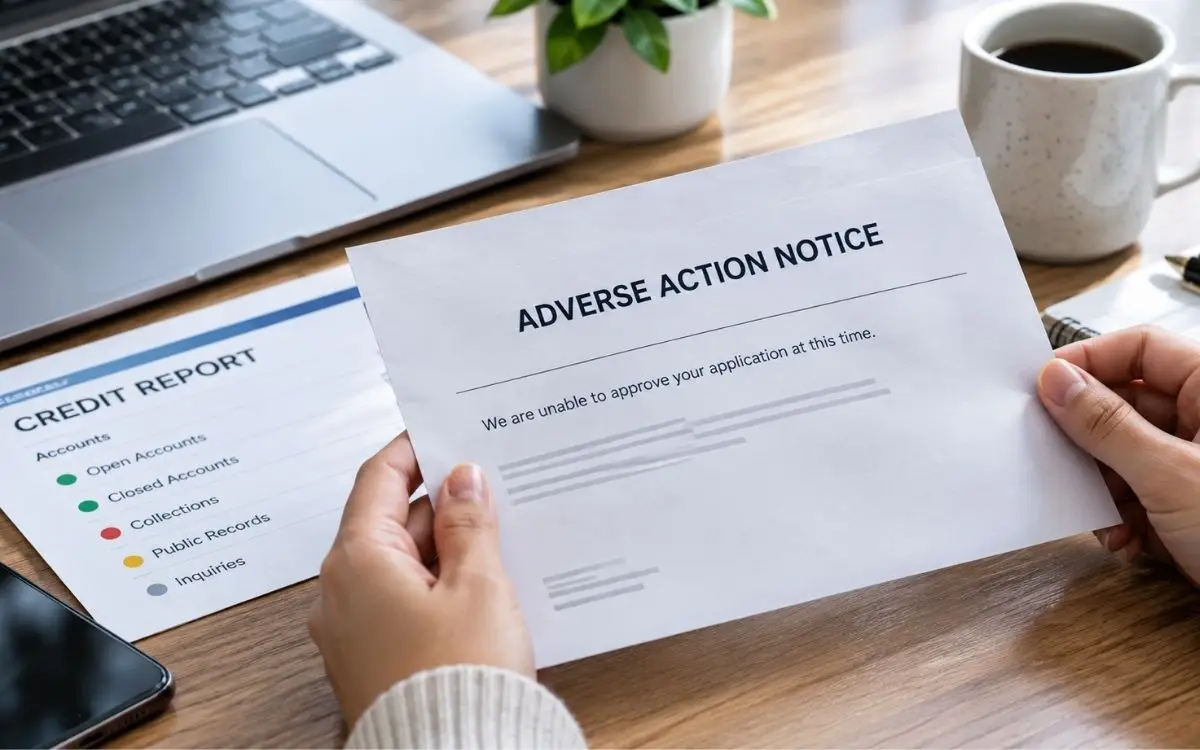
- Save every denial letter. Lenders, landlords, and employers who deny you based on a report must usually send an adverse action notice. Keep it.
- Dispute errors in writing. A clear credit dispute letter with supporting documents creates a record of what you told the credit bureau.
- Keep the responses. Save every reinvestigation result, even if it says the item was “verified.”
- Track your costs. Keep receipts and notes for every out-of-pocket expense tied to the error.
- Write down how it affects you. Brief notes about stress, missed opportunities, and family strain help support emotional distress damages.
Never post your Social Security number or full report online when asking for help. Share those details only in a confidential consultation.
How Long Do You Have to File an FCRA Lawsuit?

The FCRA sets a firm deadline. Under 15 U.S.C. § 1681p, you must file by whichever of these dates comes first:
| Deadline | When It Starts |
|---|---|
| 2 years | From the date you discover the violation |
| 5 years | From the date the violation happened |
Once a deadline passes, you may lose the right to recover anything. Because the timing depends on your facts, talk with an attorney as soon as you suspect a violation.
Contingent Fees: What It Costs to Bring an FCRA Lawsuit
Many people assume they can’t afford to sue a large credit bureau. The FCRA was written with that problem in mind.
Under both §§ 1681n and 1681o, a consumer who wins an FCRA lawsuit can recover court costs and reasonable attorney fees from the company that broke the law.
Fair Credit Attorneys handles FCRA cases on contingent fees. You pay nothing upfront, and you owe no attorney fees unless we win your case.
Fight Back Against Credit Reporting Errors

All kinds of credit reporting errors can cost you a home, a loan, or a career move. The FCRA gives you the right to hold credit bureaus, furnishers, and background check companies accountable. Depending on your case, that can include actual damages, statutory damages, and punitive damages.
You don’t have to figure this out alone. Our FCRA lawyers review your reports, denial letters, and dispute history, then explain your options. We also handle cases involving credit report errors, identity theft, a mixed credit file, and a faulty employment background check.
Call 866-381-6444 or schedule your free consultation today. We’ll tell you whether you may have a case and what it could be worth pursuing.
Frequently Asked Questions
It depends on your harm and whether the violation was willful. Our article on credit report error settlements explains how these cases often resolve.
Yes. Emotional distress can count as actual damages, especially with specific evidence of how the error affected you.
Not always, but it usually helps. Your dispute triggers a furnisher’s duty to investigate and creates a record.
You may. Lost wages and other actual damages may be recoverable, plus statutory and punitive damages for willful violations.