On This Page
Getting denied for an auto loan can feel like a major setback. You may have found the vehicle you wanted, completed the credit application, and expected to drive away the same day. Instead, you received a denial.
Many people assume there is nothing they can do after an auto loan denial. In reality, that is not always true. Sometimes a lender denies a loan because of a low credit score, limited credit history, or high debt levels. In other cases, mistakes on a credit report may unfairly hurt your chances of approval.
At Fair Credit Attorneys, we help consumers understand their rights and pursue solutions when inaccurate information affects important financial decisions. If credit report errors may have contributed to your loan denial, reach out today for a free case review and learn what options may be available.
Why Was Your Auto Loan Denied?

The first step is understanding why the lender said no.
When a lender reviews a credit application, it looks at several factors, including:
- Your credit score
- Your credit history
- Existing debts
- Income
- Recent loan applications
- Information found in your credit report
Lenders often rely on a credit scoring system to quickly evaluate risk. While these systems can be useful, they are only as accurate as the information they receive.
A mistake on your credit report could lower your credit scores and affect the lender’s decision.
Common issues include:
- Incorrect late payments
- Accounts that do not belong to you
- Identity theft
- Duplicate accounts
- Outdated negative information
- Incorrect personal information
Even one reporting error can make it more difficult to qualify for financing.
Understanding the Adverse Action Notice
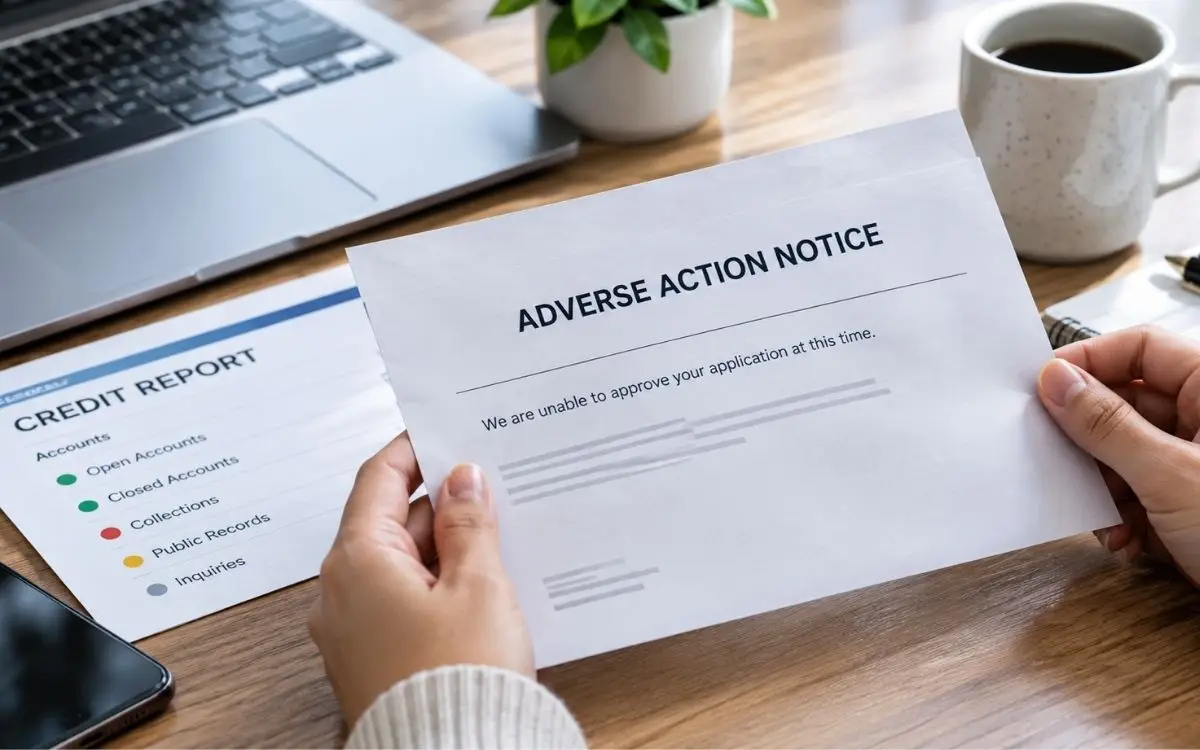
If your application is denied, the lender is generally required to send an adverse action notice.
This notice explains important information about the decision and may identify:
- The credit bureau used
- Key factors affecting the denial
- Instructions for obtaining your credit report
This document is often your first notice that a problem exists.
Do not throw it away. The notice can provide valuable clues about what happened and what steps to take next.
Review Your Credit Report Immediately
After receiving a denial, we recommend reviewing your credit report as soon as possible.
Look carefully for:
- Incorrect account balances
- Wrong payment due date information
- Accounts you do not recognize
- Collection accounts reported in error
- Incorrect personal information
- Fraudulent activity
Identity theft can be especially damaging. Someone may open a credit card or loan account using your information without your knowledge.
In some situations, even a mistake involving a vehicle identification number associated with an auto loan account can create confusion and reporting errors.
The sooner you identify the problem, the sooner you can begin fixing it.
Your Rights Under the Fair Credit Reporting Act
The Fair Credit Reporting Act is a federal law designed to protect consumers from inaccurate credit reporting.
Under the Fair Credit Reporting Act, credit reporting agencies and companies that provide information to those agencies have important responsibilities.
They must:
- Report accurate information
- Investigate disputes
- Correct verified errors
- Follow reasonable procedures to ensure accuracy
These requirements act as important procedural safeguards for consumers.
When credit bureaus fail to meet these obligations, consumers may have legal rights.
The Federal Trade Commission and other agencies enforce consumer protection laws, but individuals may also have the ability to pursue claims when reporting errors cause financial harm.
What to Do If You Find Errors

If you discover mistakes on your credit report, take action quickly.
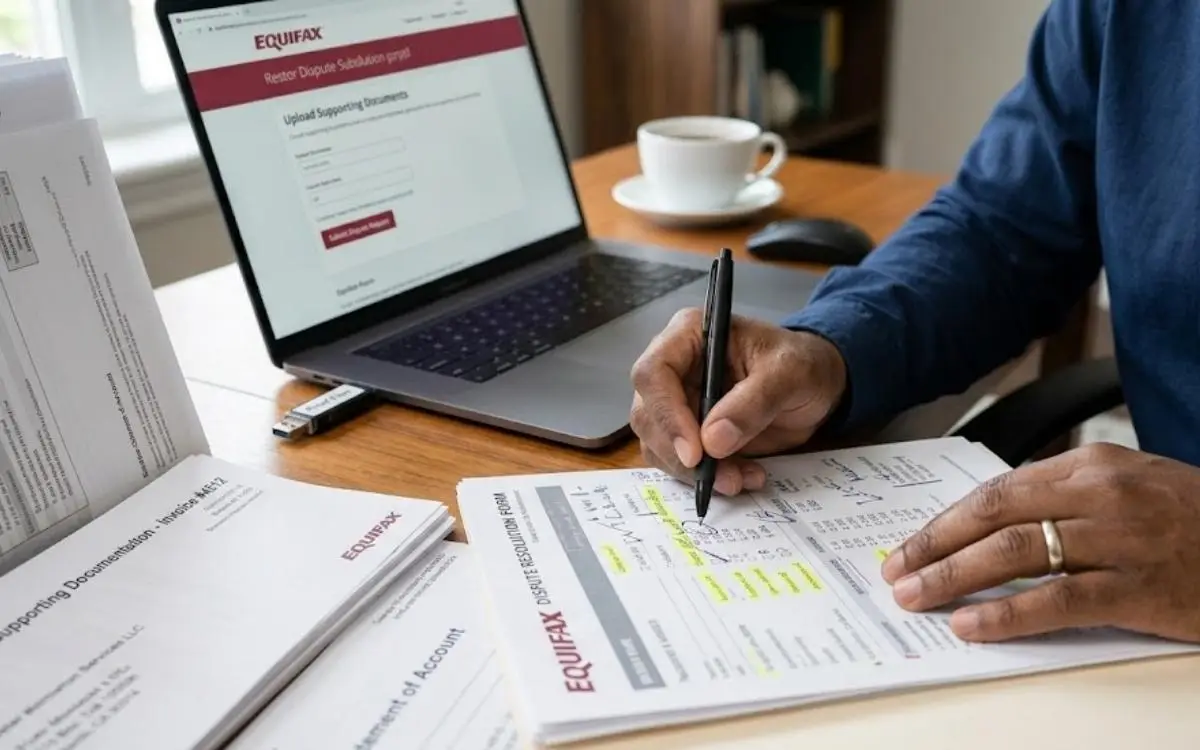
Gather Documentation
Start collecting evidence that supports your position.
Helpful documents may include:
- Account statements
- Payment records
- Bank records
- Loan agreements
- Correspondence with creditors
- Identity theft reports
The more documentation you have, the easier it may be to prove the information is inaccurate.
File a Dispute
Next, submit disputes to the credit bureaus and any company reporting incorrect information.
Keep copies of everything.
Save:
- Letters
- Emails
- Dispute confirmations
- Responses received
Good records can become important if the issue continues.
Learn More: How to fix credit report errors
When Credit Bureaus Fail to Fix the Problem
Unfortunately, disputes do not always solve the issue.
Sometimes consumers provide evidence, yet inaccurate information remains on their reports.
This may happen when:
- Investigations are inadequate
- Evidence is ignored
- Information is repeatedly reinserted
- Reporting companies fail to update records
When errors remain despite your efforts, you may have grounds for legal action.
In some cases, consumers suffer significant financial consequences, including:
- Auto loan denials
- Higher interest rates
- Mortgage loan denials
- Credit card denials
- Housing application rejections
These consequences can affect families for years.
Can You Sue for an Auto Loan Denial?
Not every loan denial leads to a lawsuit. However, when inaccurate reporting causes measurable harm, legal action may be appropriate.
Potential claims may arise when:
- A credit bureau fails to conduct a reasonable investigation
- False information remains after disputes
- Identity theft issues are ignored
- Mixed credit files are not corrected
If a lawsuit is filed, the legal process may involve motions, discovery, and potentially a dispositive motion seeking resolution before trial.
Every case is different, but consumers may be entitled to recover damages when reporting errors violate federal law.
Potential compensation can include:
- Financial losses
- Emotional distress damages
- Attorney’s fees
- Court costs
Other Financial Issues That Can Affect Auto Loan Approval
While credit reporting errors are a common issue, lenders may consider other financial obligations as well.
For example, consumers dealing with a mortgage loan may be navigating loss mitigation options due to financial hardship.
Terms such as:
- Loss mitigation
- Loan modification
- Loss mitigation procedures
- Servicing transfer
- Unresponsive borrower
- Agent of a borrower
are commonly seen in the mortgage industry.
Although these concepts are generally associated with home loans rather than auto loans, financial difficulties reflected in these areas can influence lending decisions.
If inaccurate mortgage information appears on your credit report, it should be investigated and corrected.
Privacy Rights and Consumer Information
Many consumers do not realize how much personal information is collected during the lending process.
Financial institutions often handle:
- Employment information
- Income records
- Credit history
- Account information
- Social Security numbers
Federal laws and regulations require companies to protect consumer financial information.
Consumers may receive documents such as:
- A privacy notice
- An opt-out notice
These notices explain how information may be shared with nonaffiliated third parties and what protections exist under applicable privacy rule requirements.
If incorrect information is being shared, consumers have the right to challenge inaccurate reporting.
Vehicle Ownership and Title Issues
In some situations, auto financing problems involve ownership disputes rather than credit issues.
Examples include:
- Bonded title applications
- Title litigation
- Title disputes
- Conflicting ownership claims
A lender may hesitate to finance a vehicle if ownership records are unclear.
Occasionally, resolving title problems may require a court order before financing can move forward.
While these situations are less common, they can create significant delays in obtaining a vehicle loan.
Insurance Considerations After Purchasing a Vehicle

Once financing is approved, consumers should also understand their insurance obligations.
Most lenders require auto Insurance coverage before releasing funds.
Depending on the lender and vehicle, coverage requirements may include:
- Liability insurance
- Collision coverage
- Comprehensive coverage
- Physical damage coverage
- Medical payments coverage
- Uninsured/underinsured motorist coverage
Insurance regulations are often overseen by a state’s division of insurance.
Although insurance issues typically do not cause loan denials directly, lapses in coverage or unresolved claims can sometimes create additional financial challenges.
Consumer Resources That May Help
Consumers looking for additional information can explore resources published by government agencies and consumer protection organizations.
Examples include:
- Consumer Complaint Database
- Mortgage Database
- Consumer Credit Trends
- Mortgage Performance Trends
- Financial Well-Being Survey
- Public Data Inventory
- Data & Research reports
- Credit Card Surveys & Agreements
These resources can help consumers better understand lending practices and credit reporting trends.
In certain industries, consumers may also encounter an internal appeal process, an external review process, or review by an independent review organization when challenging financial or insurance-related decisions.
How Fair Credit Attorneys Can Help
An auto loan denial does not always mean you are a risky borrower. Sometimes the real problem is inaccurate information being reported about you.
At Fair Credit Attorneys, we help consumers identify credit reporting errors, understand their rights under the Fair Credit Reporting Act, and pursue legal remedies when necessary.
Our team can:
- Review your credit report
- Investigate reporting errors
- Identify potential FCRA violations
- Communicate with credit reporting agencies
- Pursue compensation when consumer rights have been violated
Take Action After an Auto Loan Denial
If your auto loan application was denied, do not assume the decision is final. A low credit score may not tell the whole story. Errors on a credit report, identity theft, or inaccurate account information could be affecting your financial future.
At Fair Credit Attorneys, we help consumers fight back against inaccurate reporting and protect their rights. Contact our team today to discuss your situation and learn whether credit reporting errors may have contributed to your auto loan denial. The sooner we investigate the issue, the sooner you can move forward with confidence.
Frequently Asked Questions
Can I get approved for an auto loan after being denied?
Yes. An auto loan denial does not mean you can never get approved. Addressing issues such as credit report errors, debt levels, or a low credit score may improve your chances.
Can a mistake on my credit report cause an auto loan denial?
Yes. Errors such as incorrect late payments, accounts that do not belong to you, or identity theft can negatively affect your credit score and impact loan approval.
How can I find out why my auto loan was denied?
Review the adverse action notice and obtain a copy of your credit report. These documents can help identify the factors that affected the lender’s decision.
When should I contact an attorney after an auto loan denial?
You should consider speaking with an attorney if you believe inaccurate credit reporting contributed to the denial or if your disputes have not resolved the issue.